Skip to content

Amphibians and Reptiles Conservation Canada

Saving Turtles at Risk Today (START) and Conservation Action, Research and Education about Snakes (CARES) Projects for the Eastern Georgian Bay Region

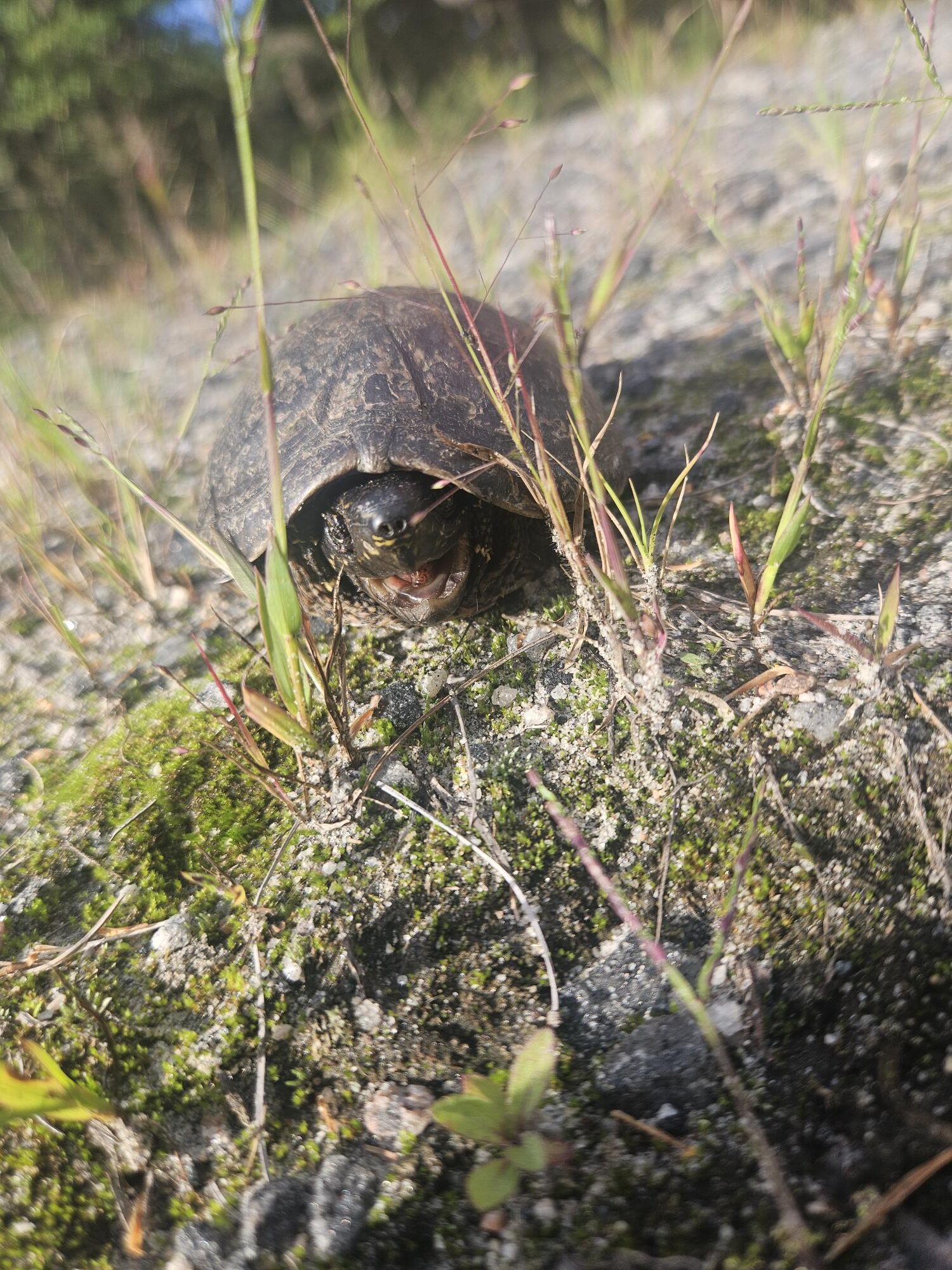
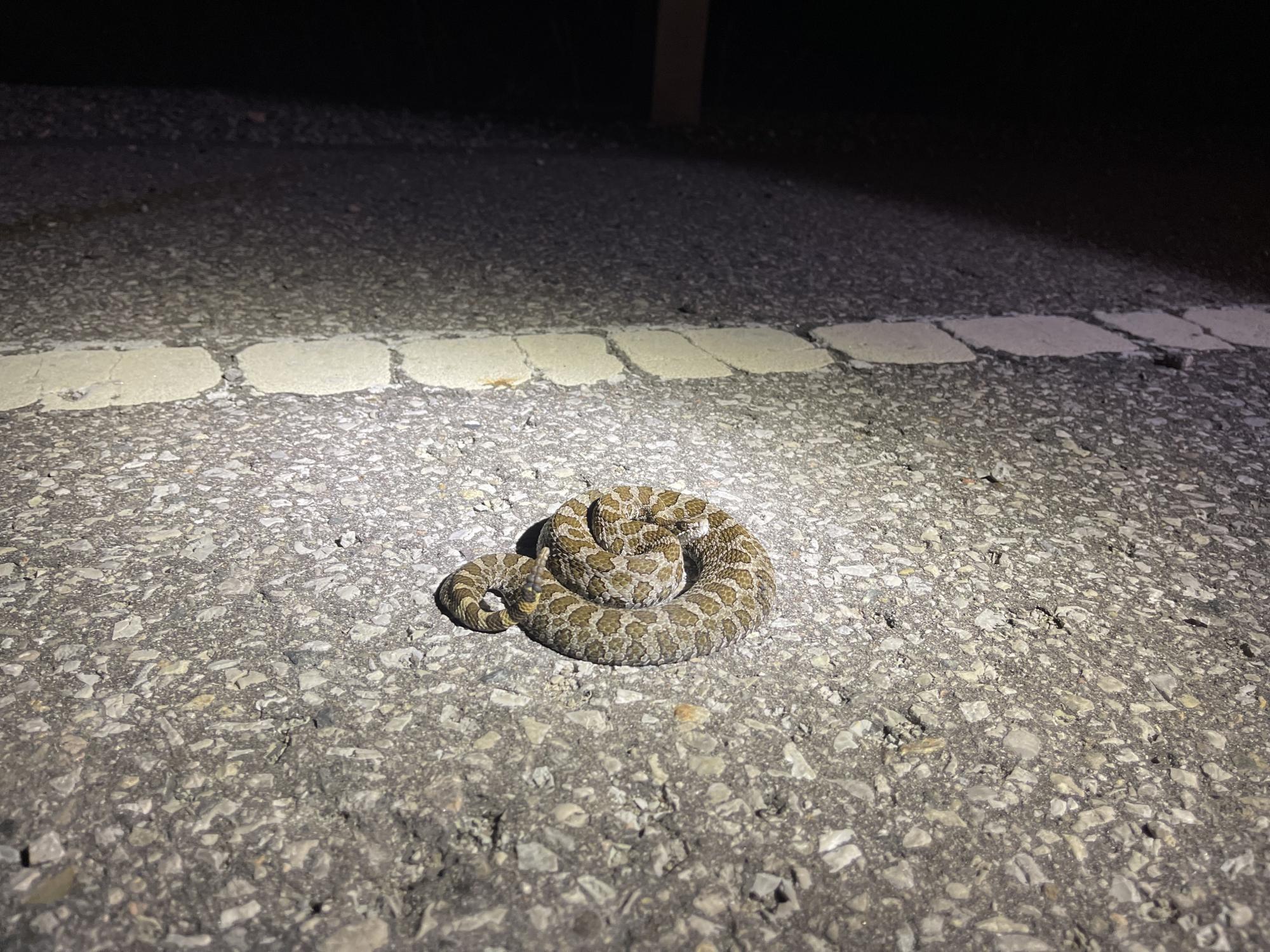
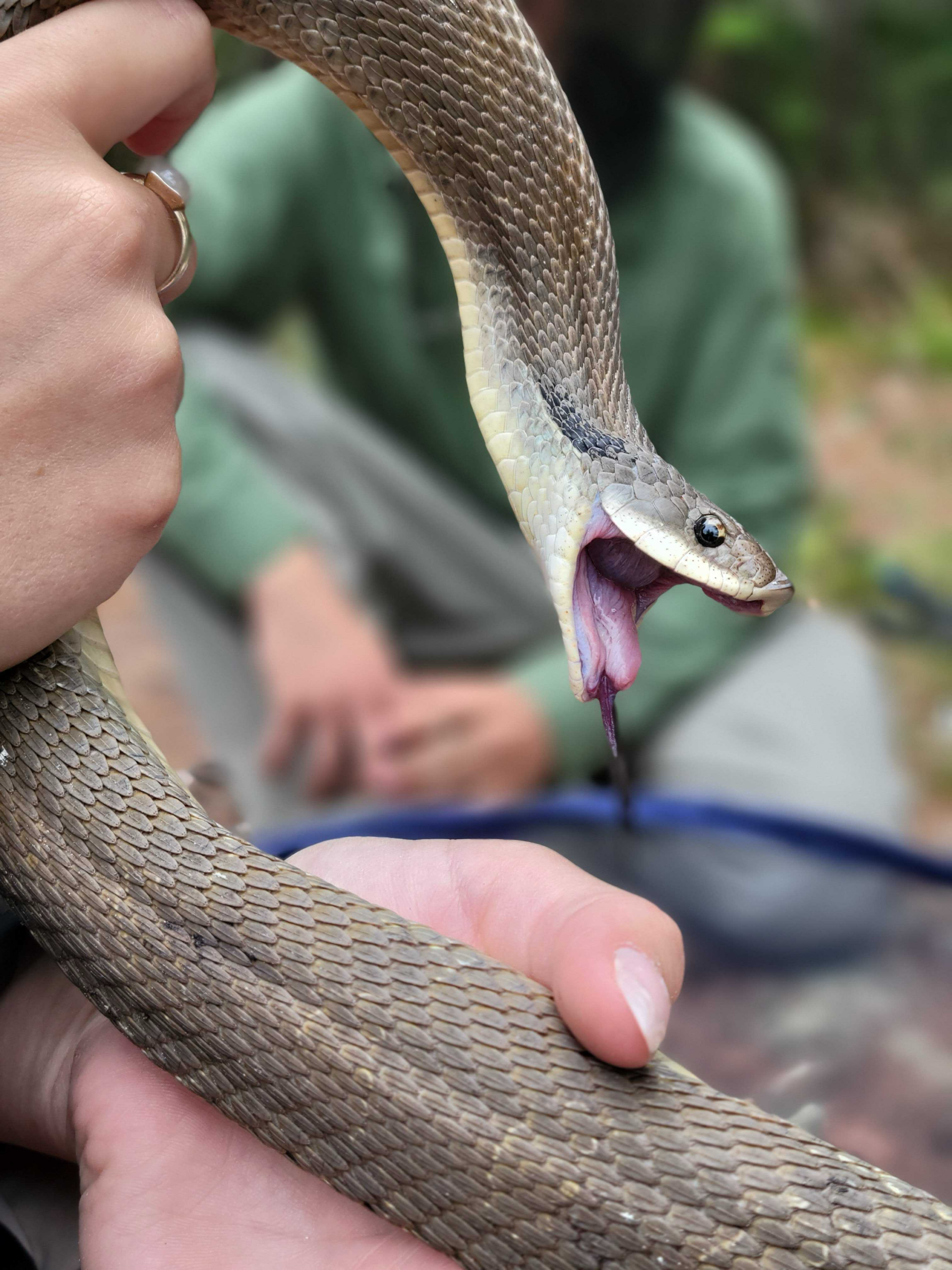
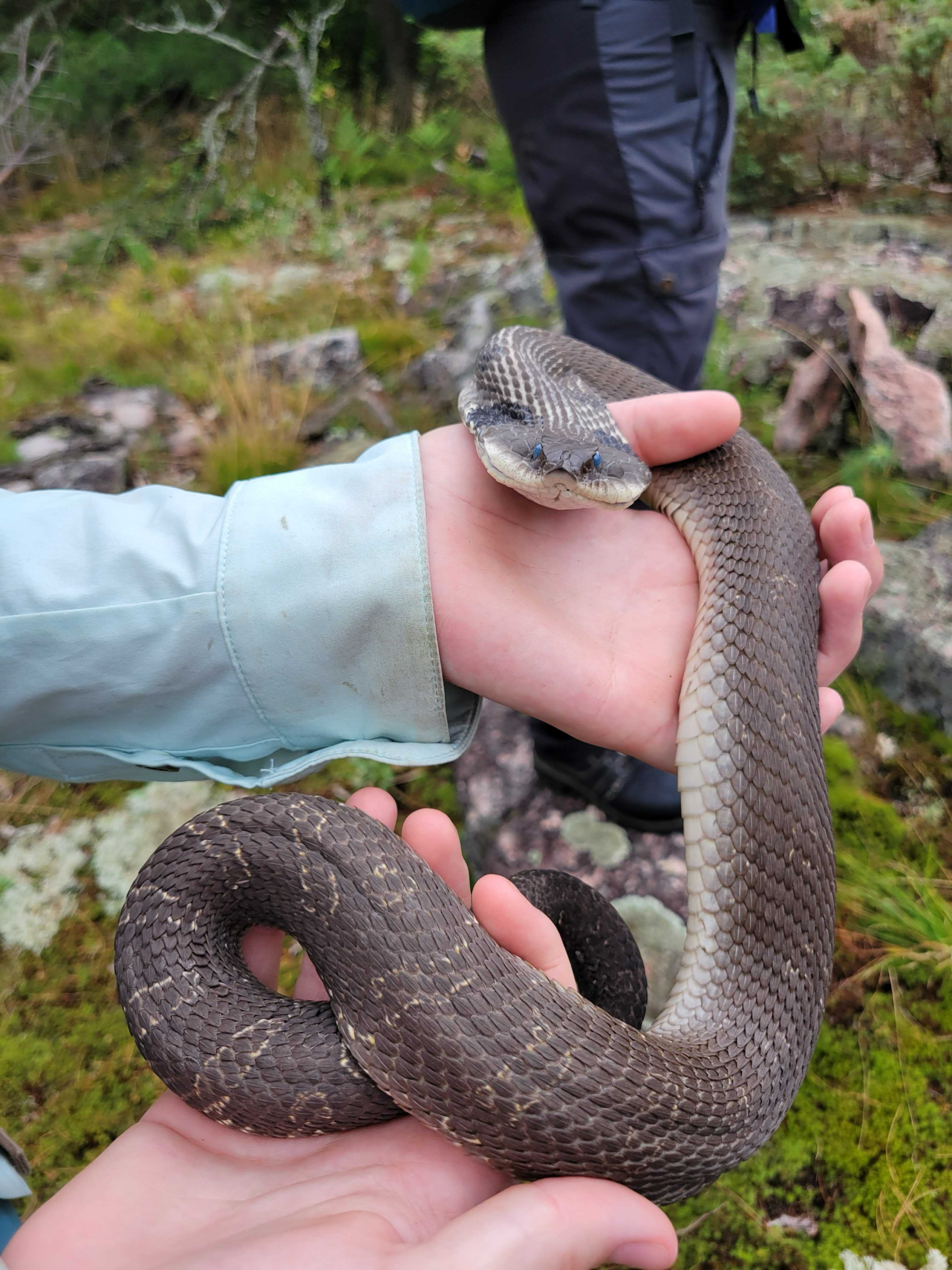
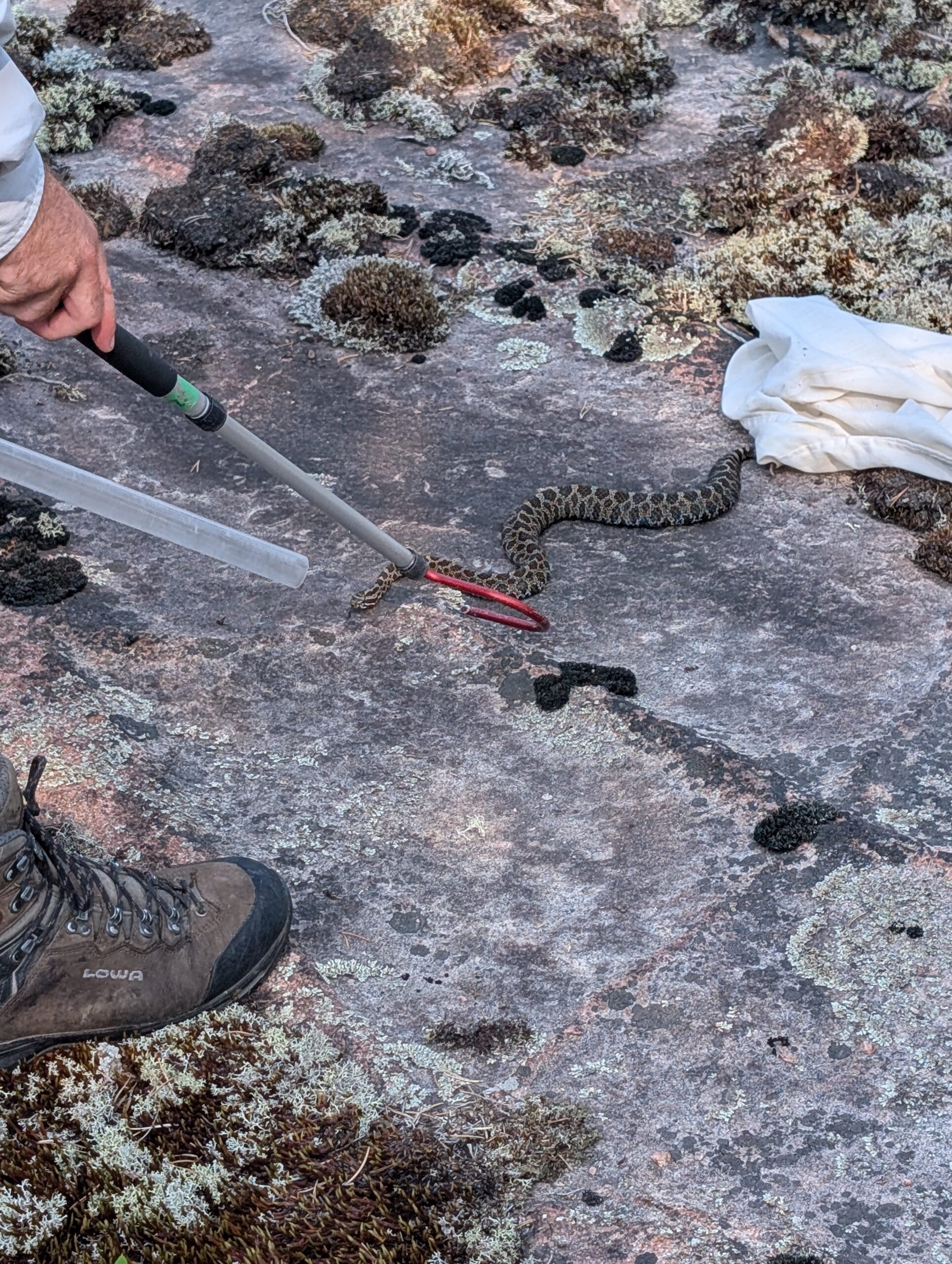
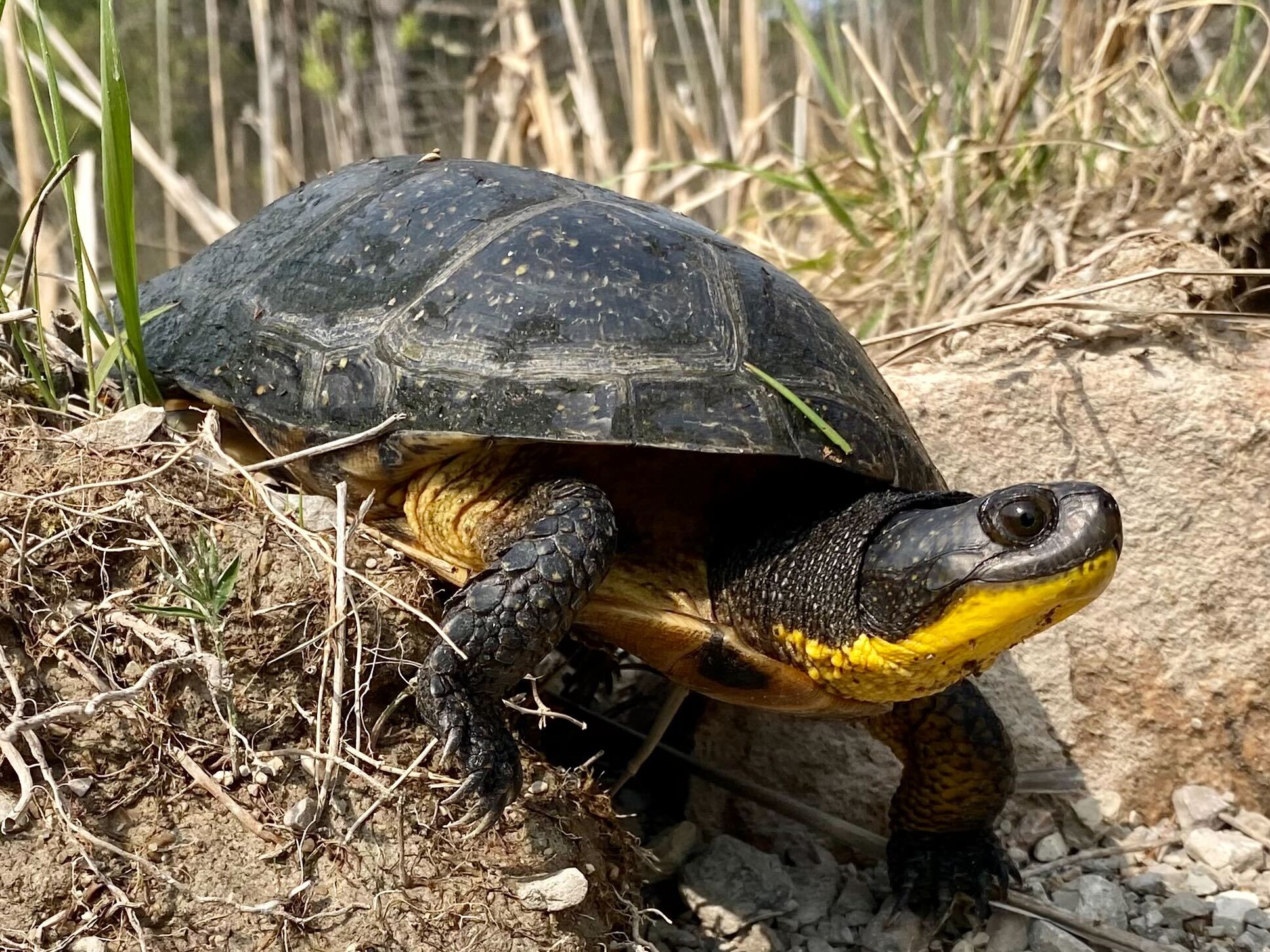
Blanding’s Turtle (Emydoidea blandingii), Eastern Foxsnake (Pantherophis vulpinus), Eastern Hog-nosed Snake (Heterodon platirhinos), Spotted Turtle (Clemmys guttata), Eastern Massasauga rattlesnake (Sistrurus catenatus)

Project Details

Project Title: Saving Turtles at Risk Today (START) and Conservation Action, Research and Education about Snakes (CARES) Projects for the Eastern Georgian Bay Region
Funding Recipient: Amphibian and Reptile Conservation Canada (ARCC)
Funding Awarded: $150,000 over 3 years, ($50,000 in 2024, $50,000 in 2025, and  $50,000 in 2026)
Project Partner: Scales Nature Park, Canadian Wildlife Federation and Laurentian University, alongside a growing network of conservation authorities, land trusts, and community groups across central Ontario 
Targeted Species at Risk:
Blanding’s Turtle (Emydoidea blandingii), Eastern Foxsnake (Pantherophis vulpinus), Eastern Hog-nosed Snake (Heterodon platirhinos), Spotted Turtle (Clemmys guttata), Eastern Massasauga rattlesnake (Sistrurus catenatus)

Project Status: Ongoing (2024-2026)
Project Description

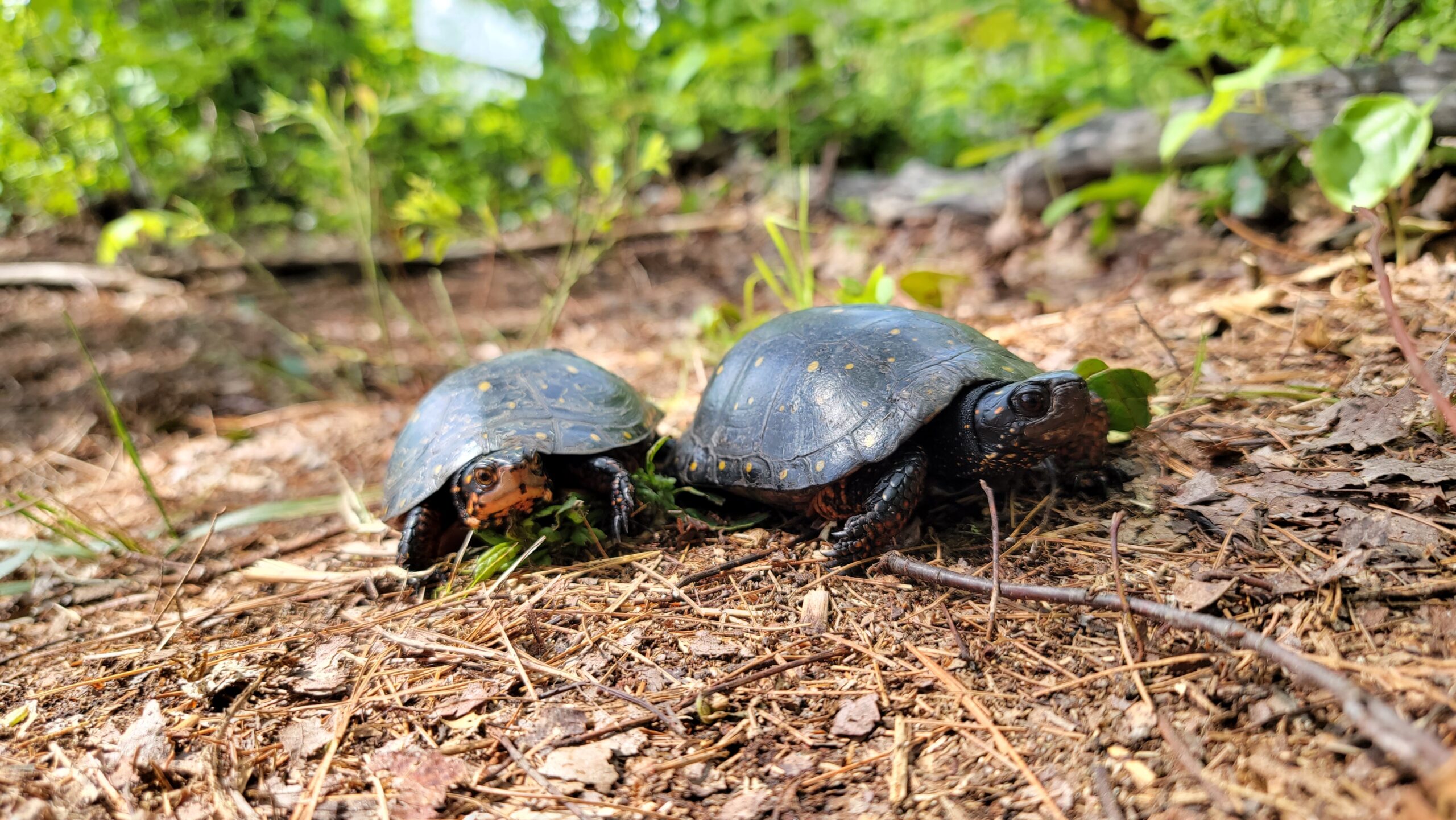
The Saving Turtles at Risk Today (START) and Conservation, Action, Research, and Education about Snakes (CARES) projects continued their long-term work protecting reptile and amphibian SAR across the eastern Georgian Bay region in 2025. Despite reduced funding and capacity this year, the projects still logged 4,543 reptile and amphibian encounters, including 3,578 SAR observations.

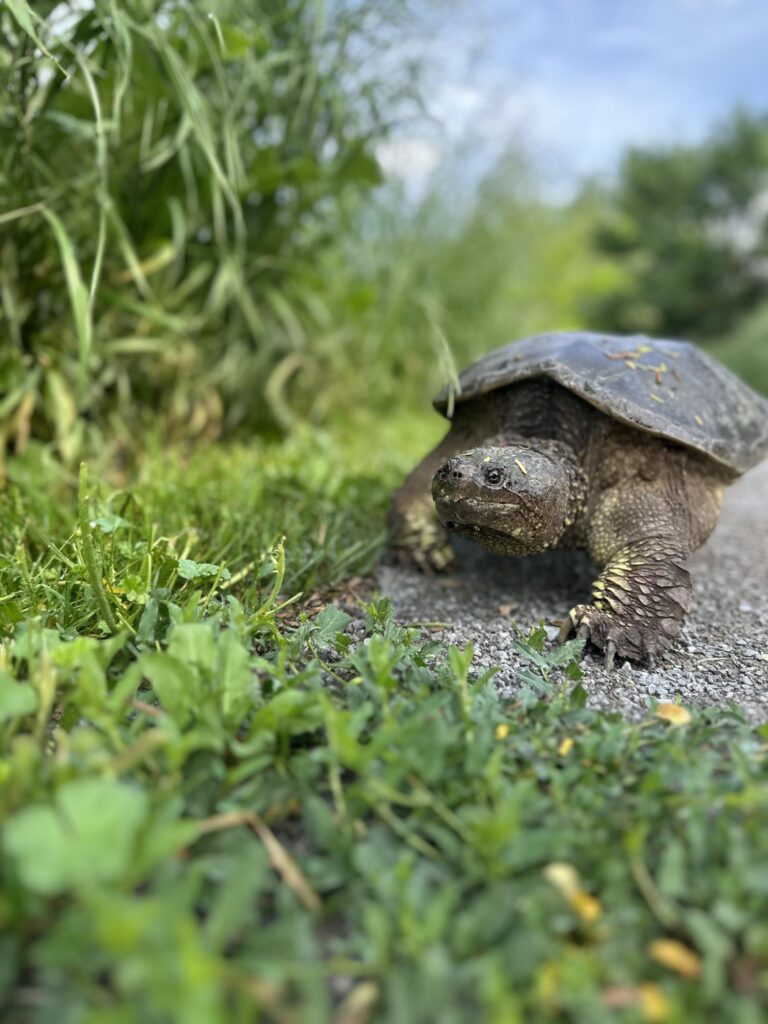
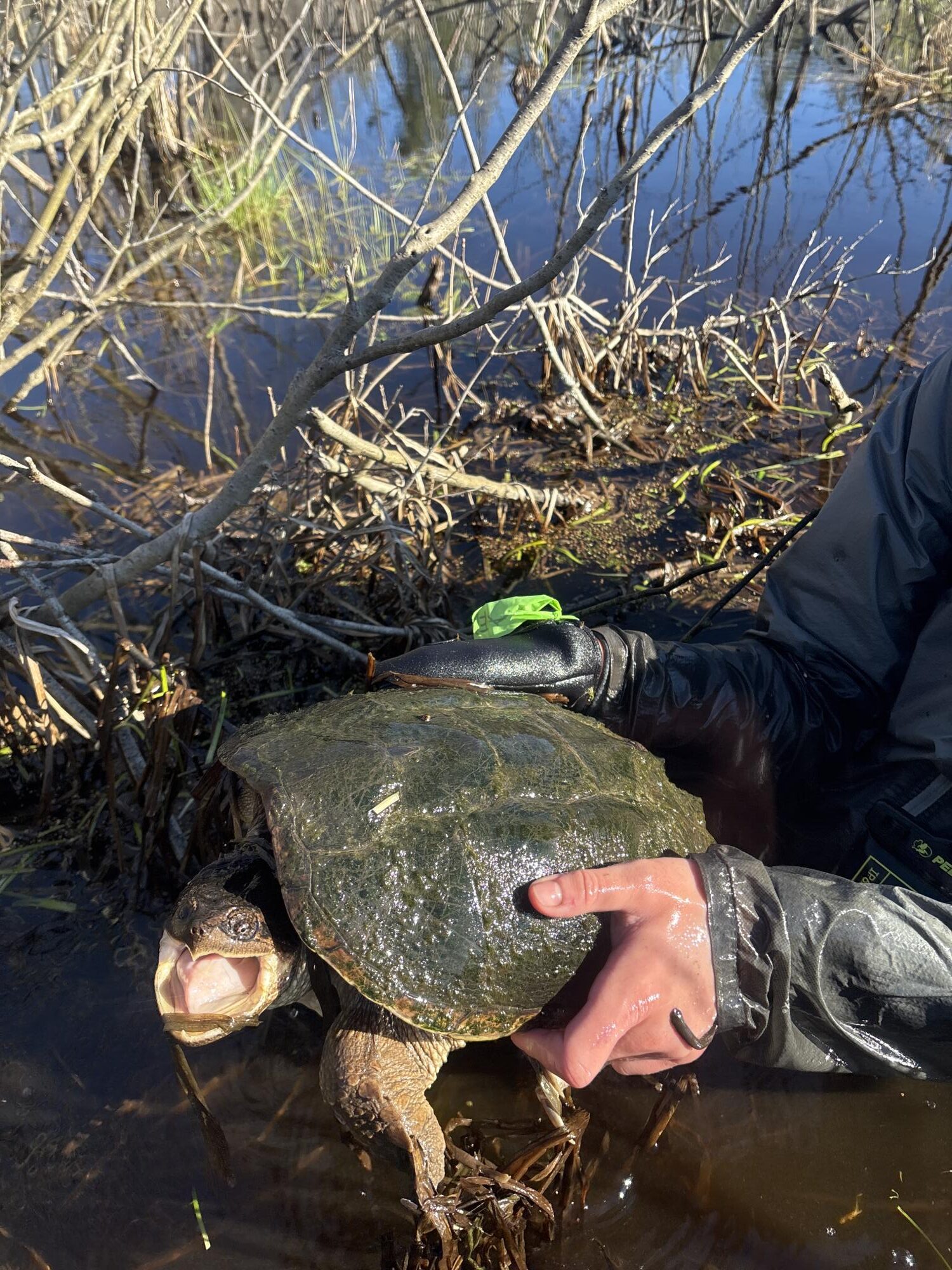
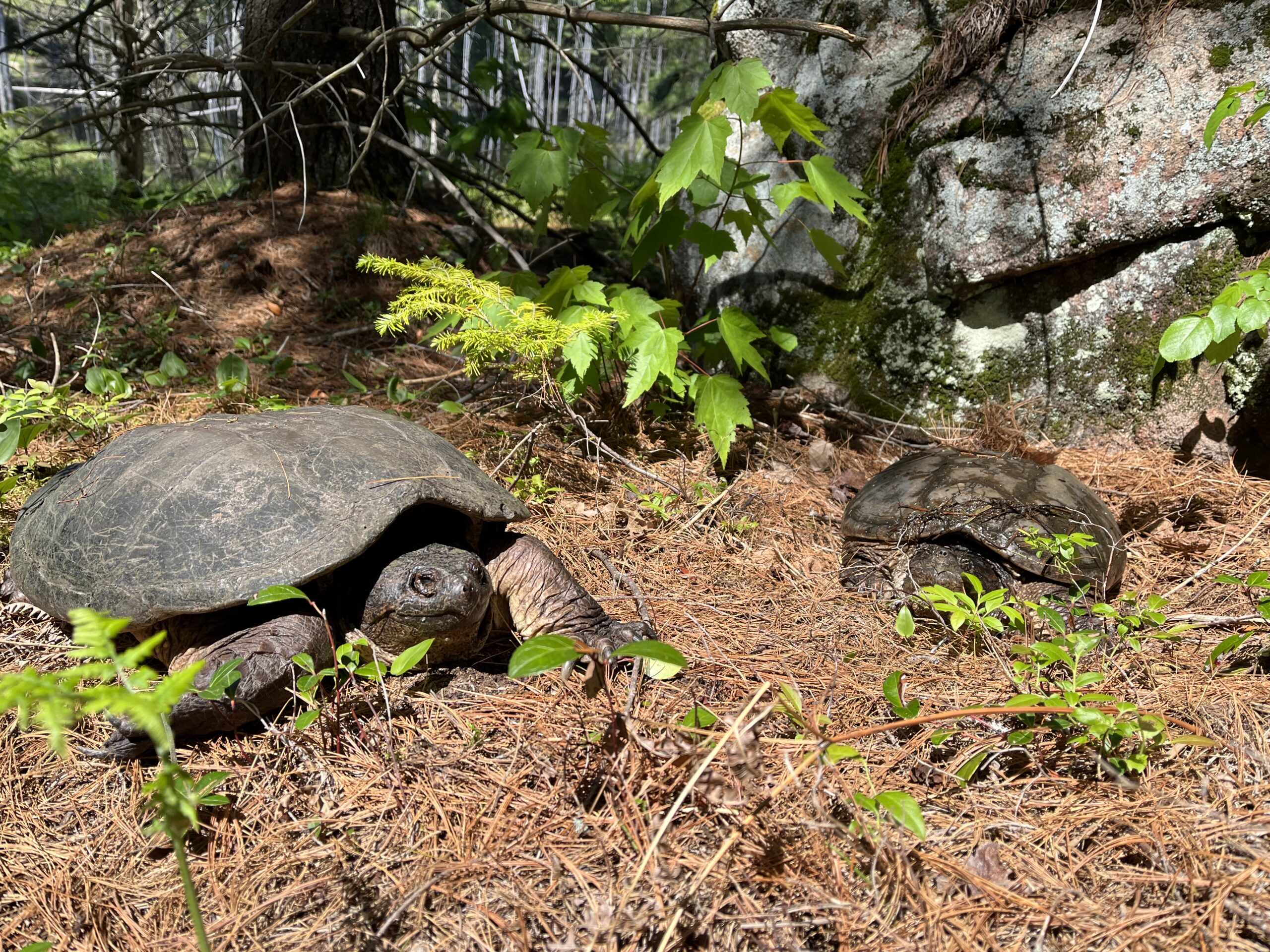
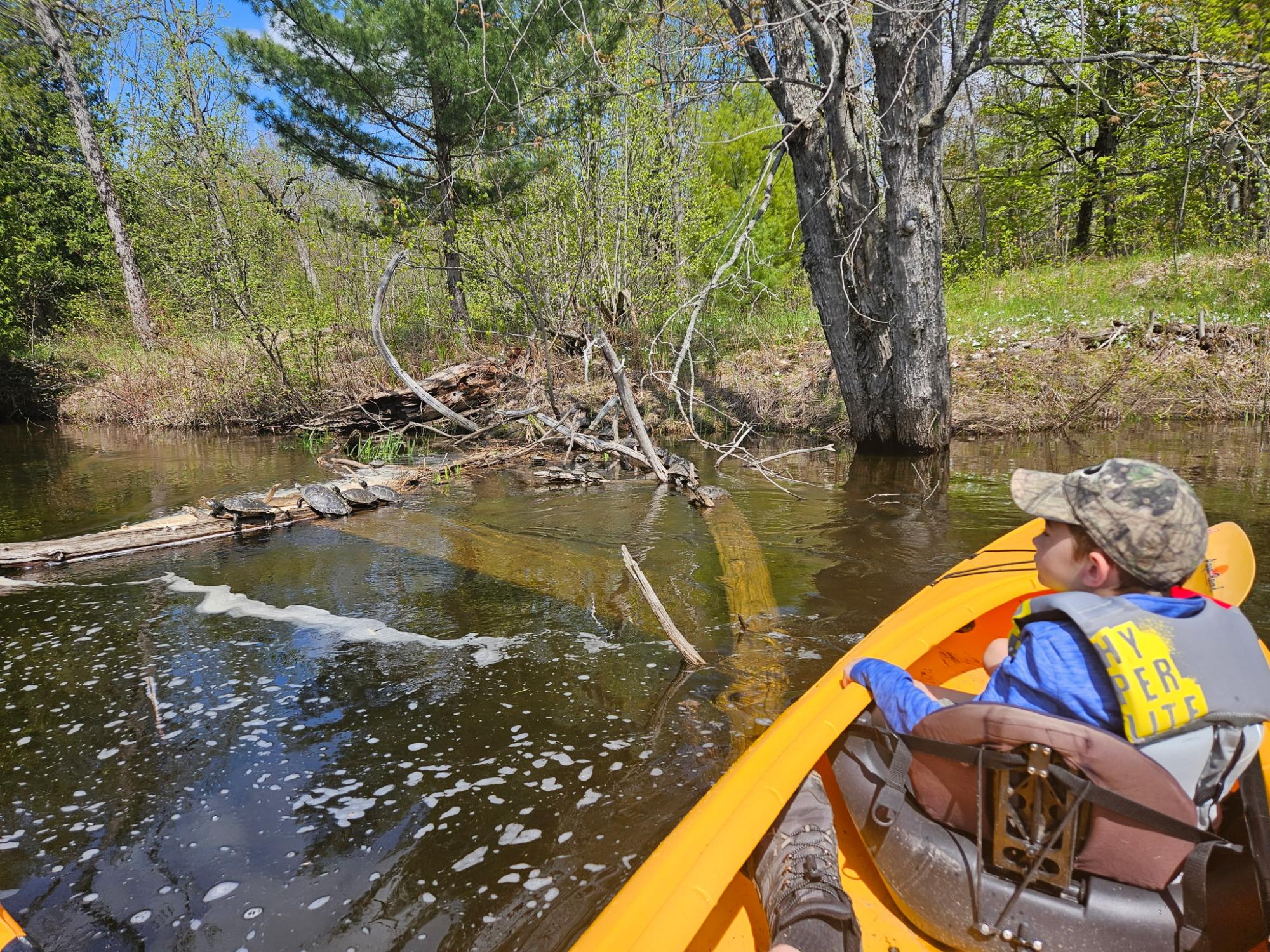
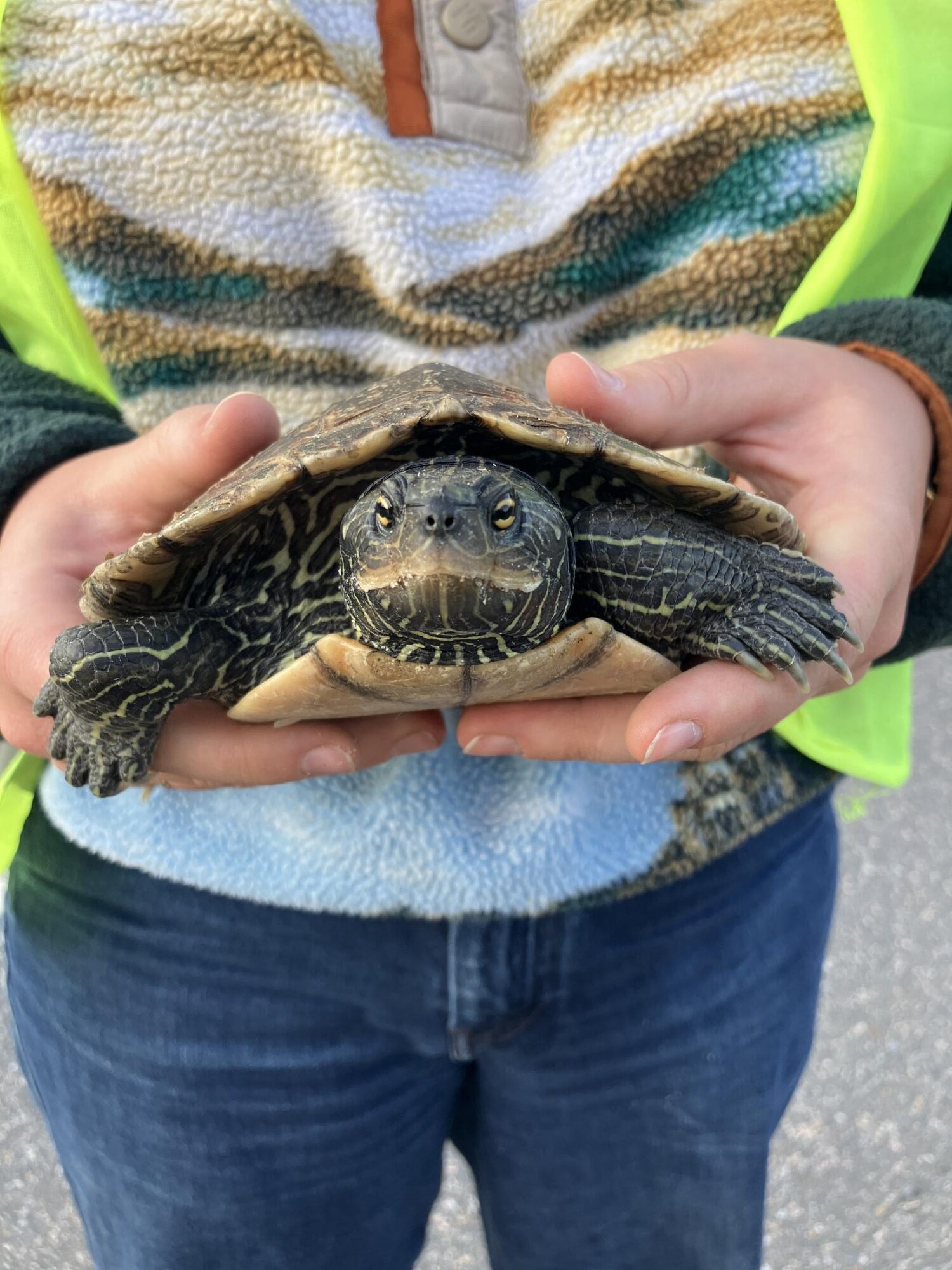
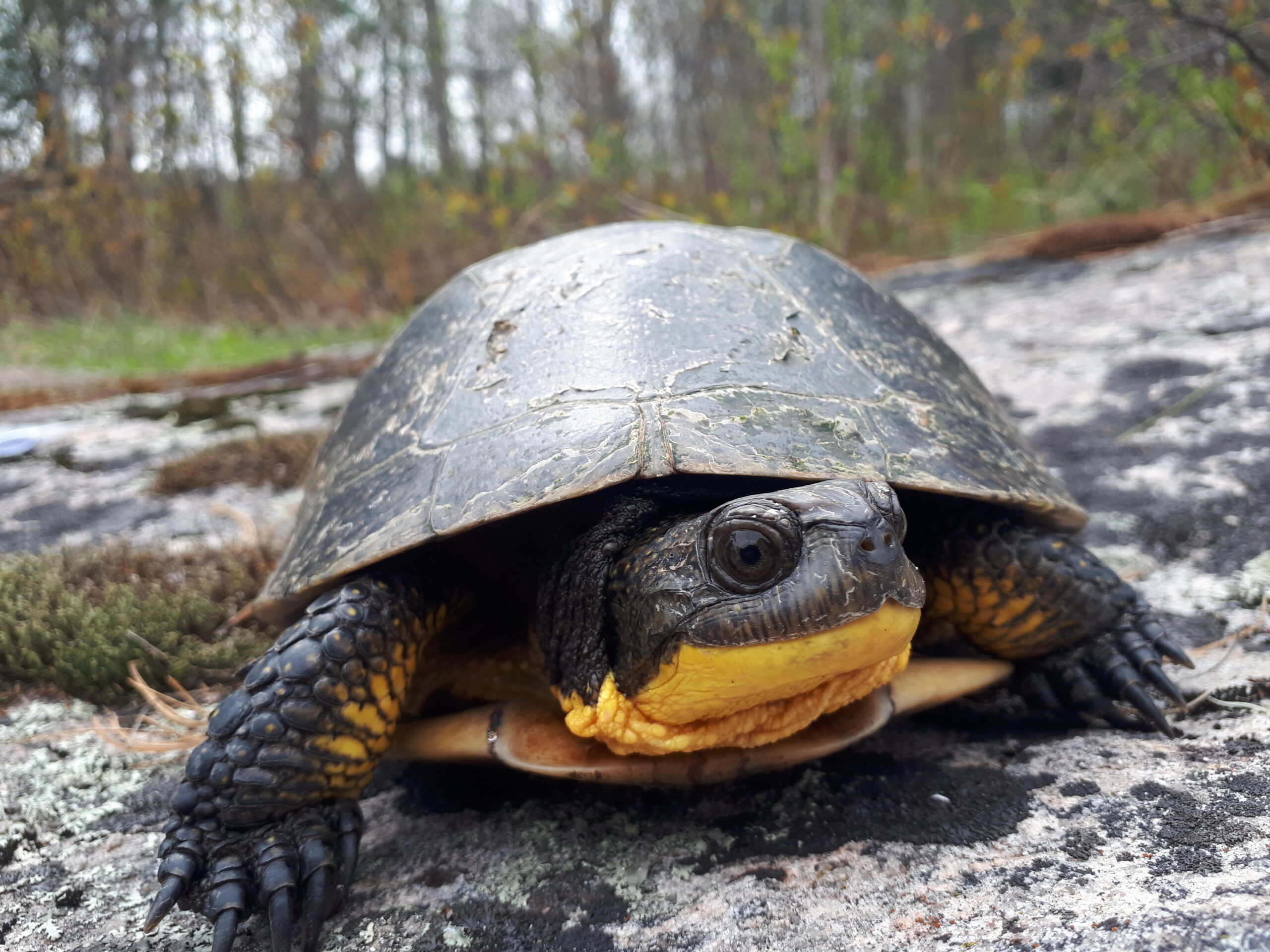
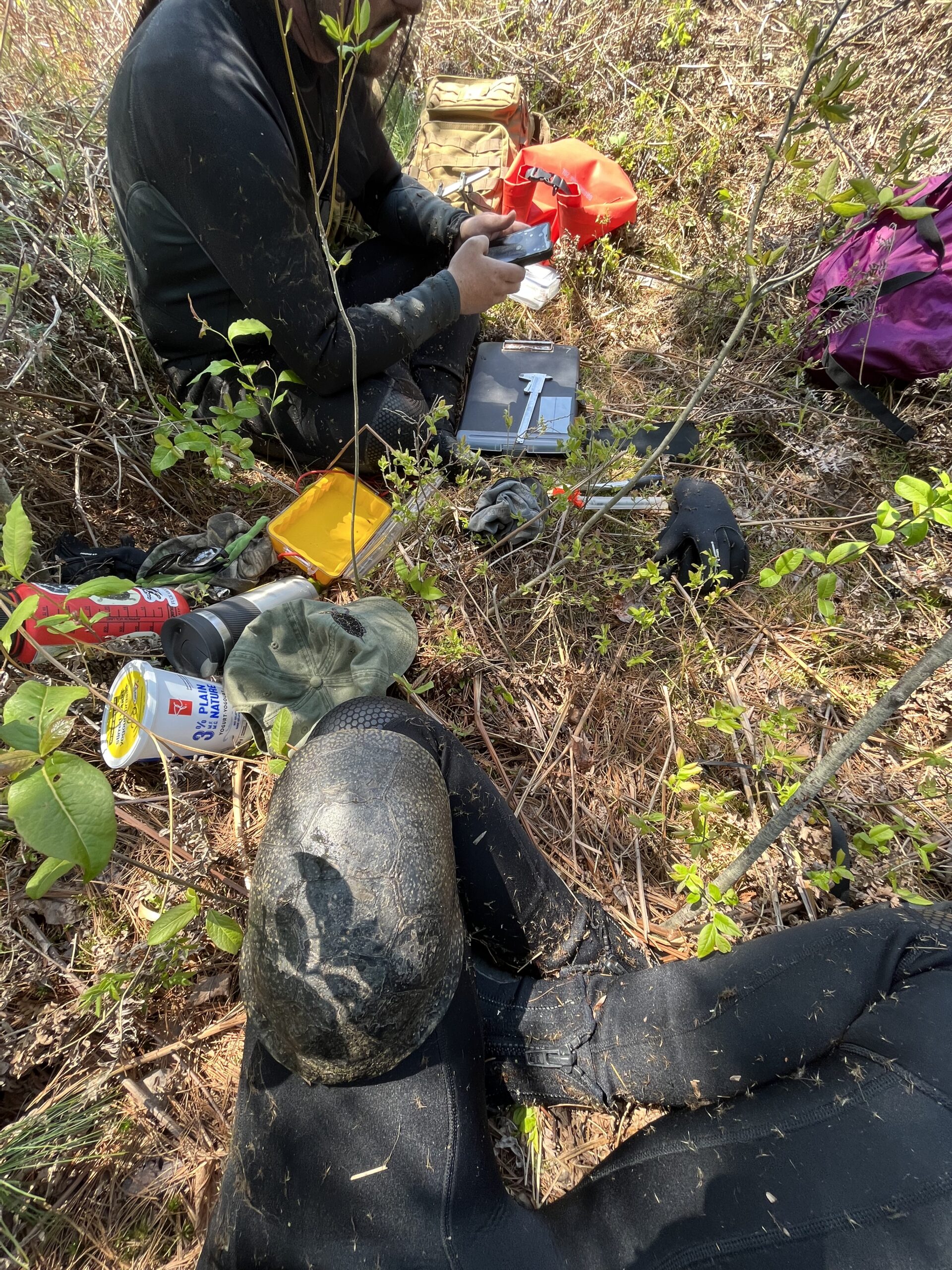
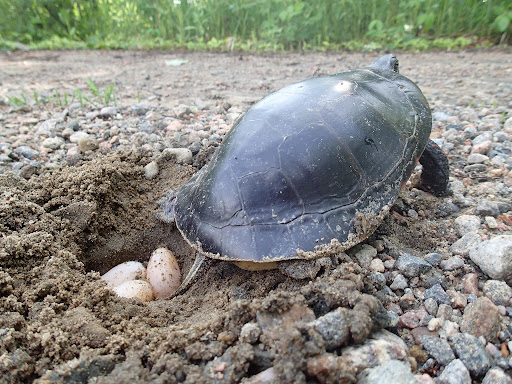
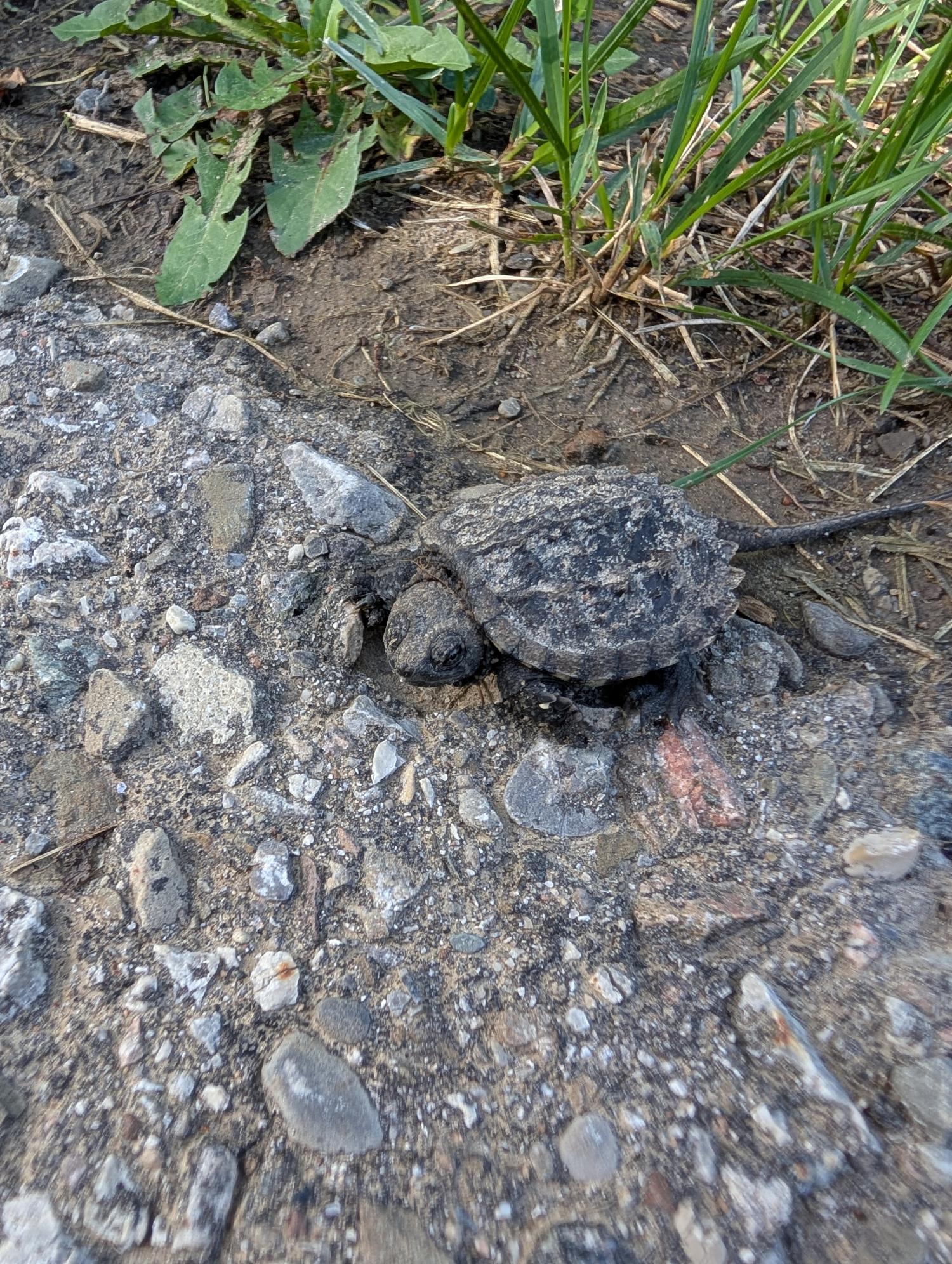
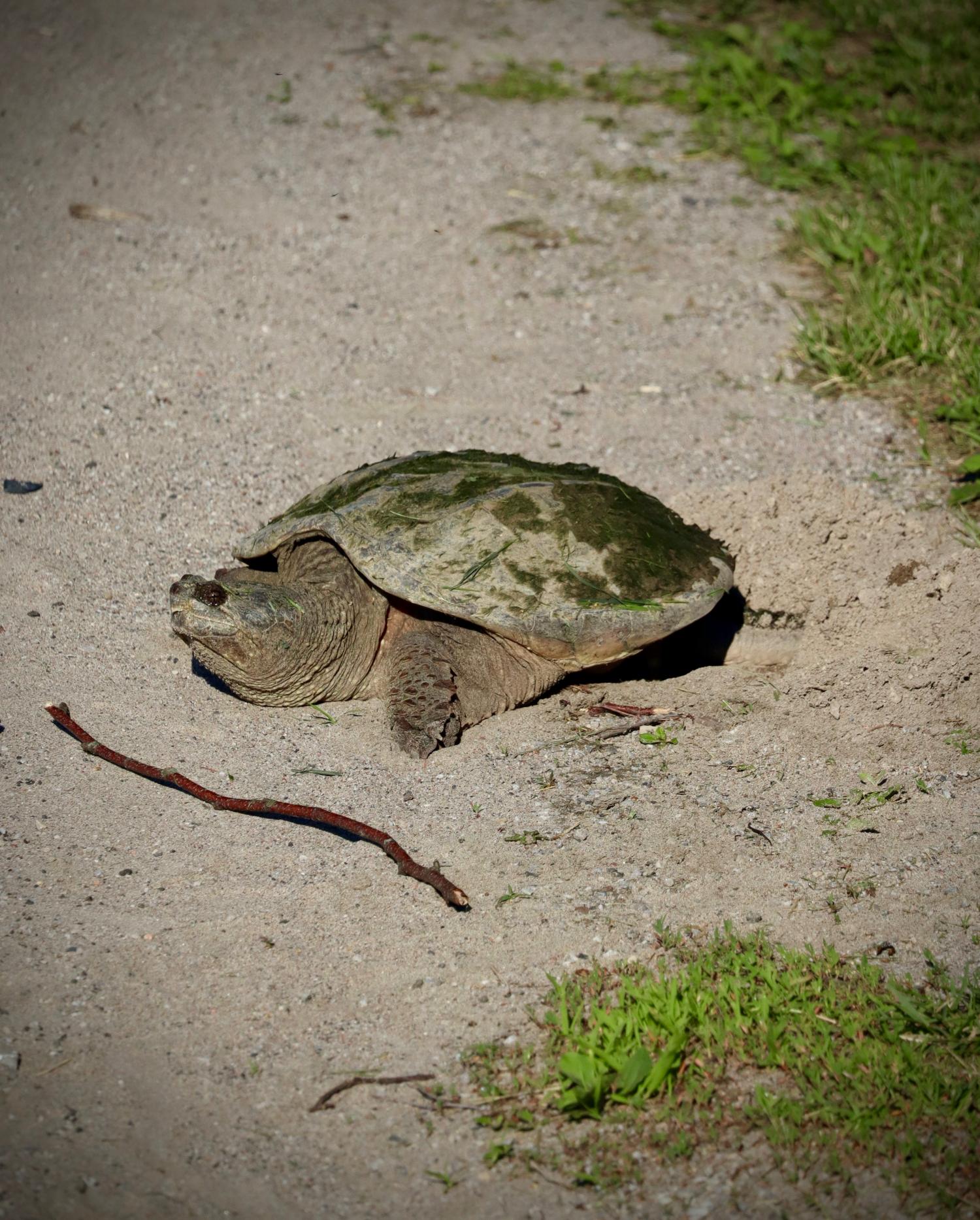
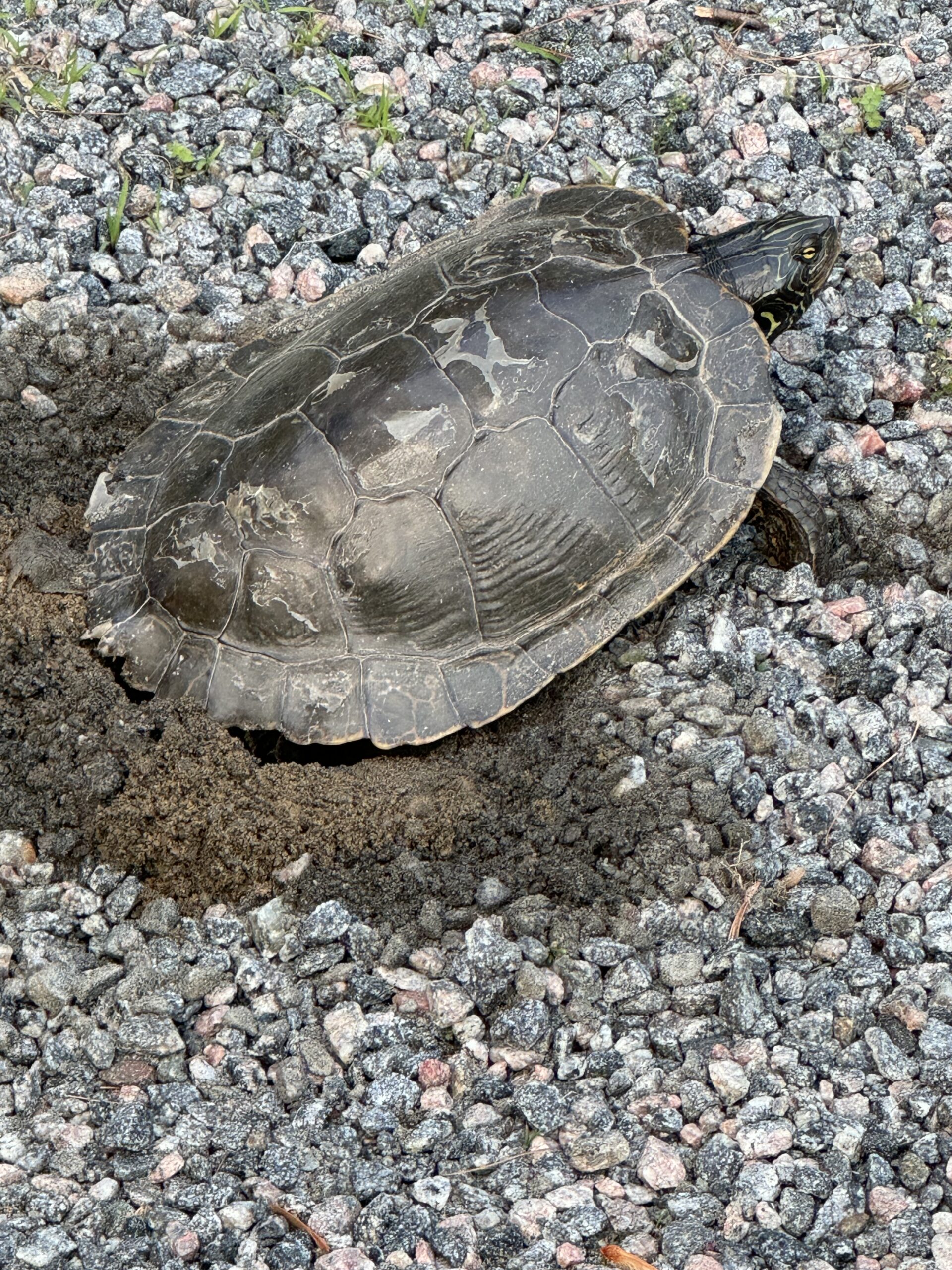
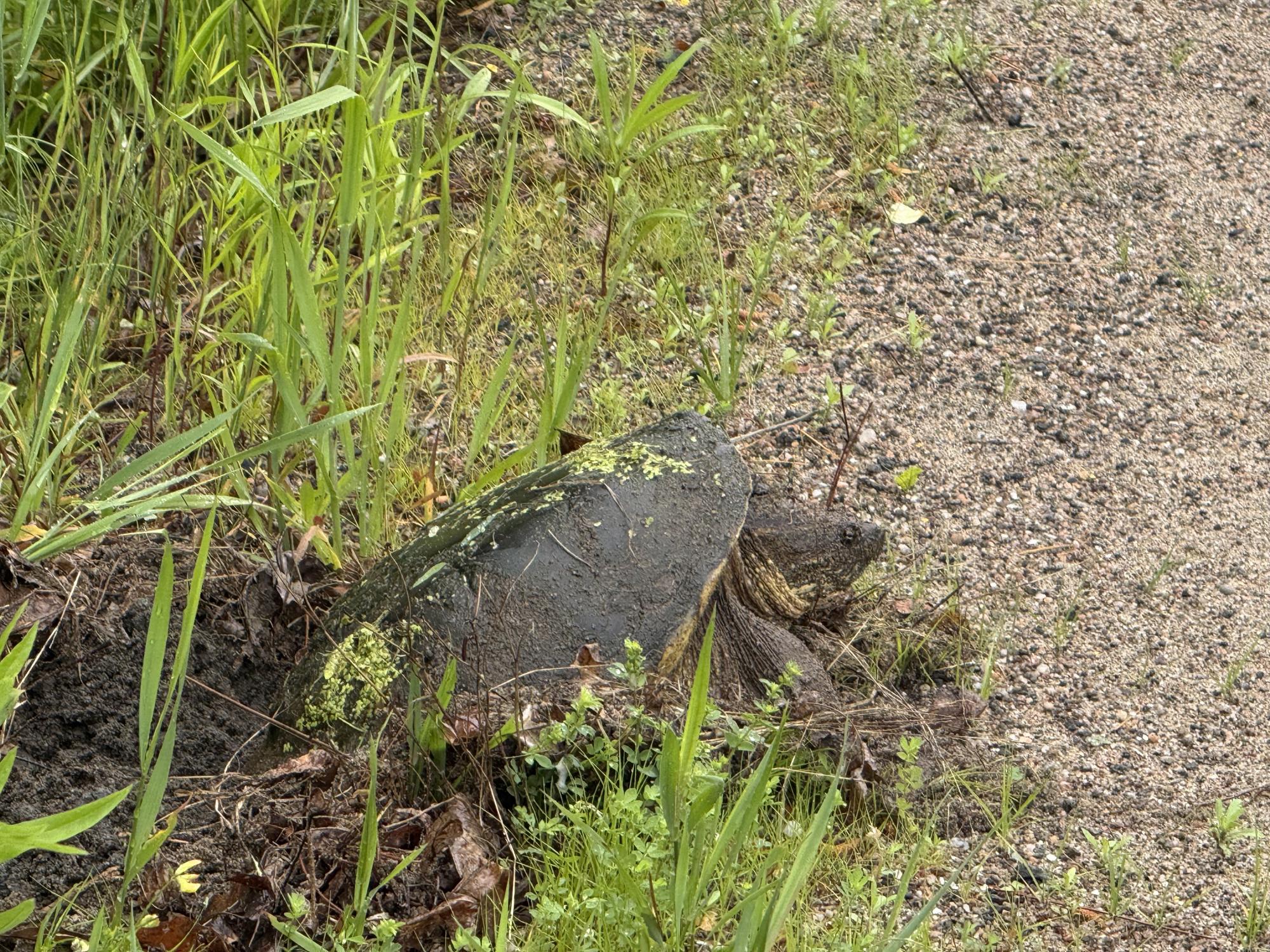
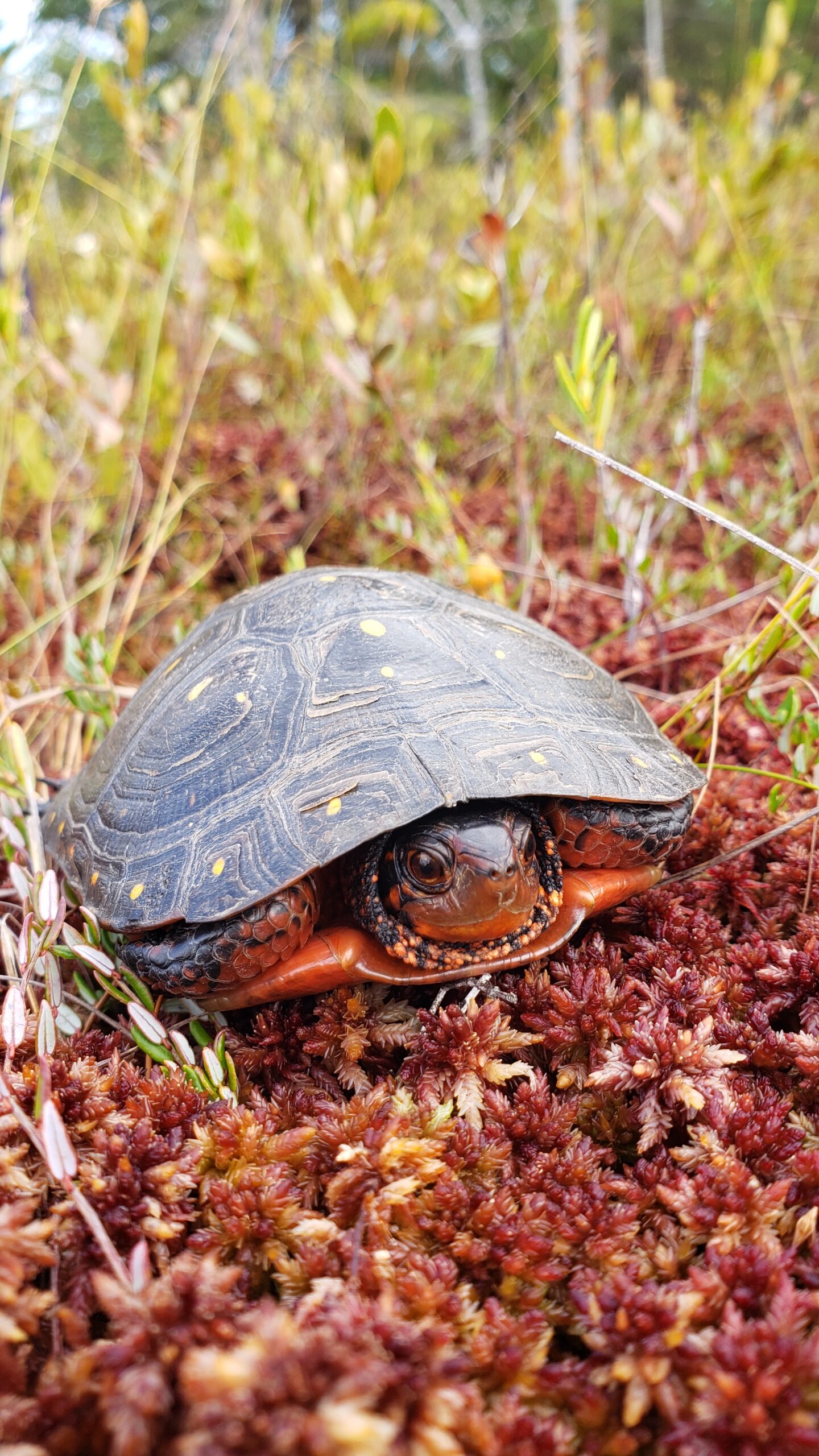
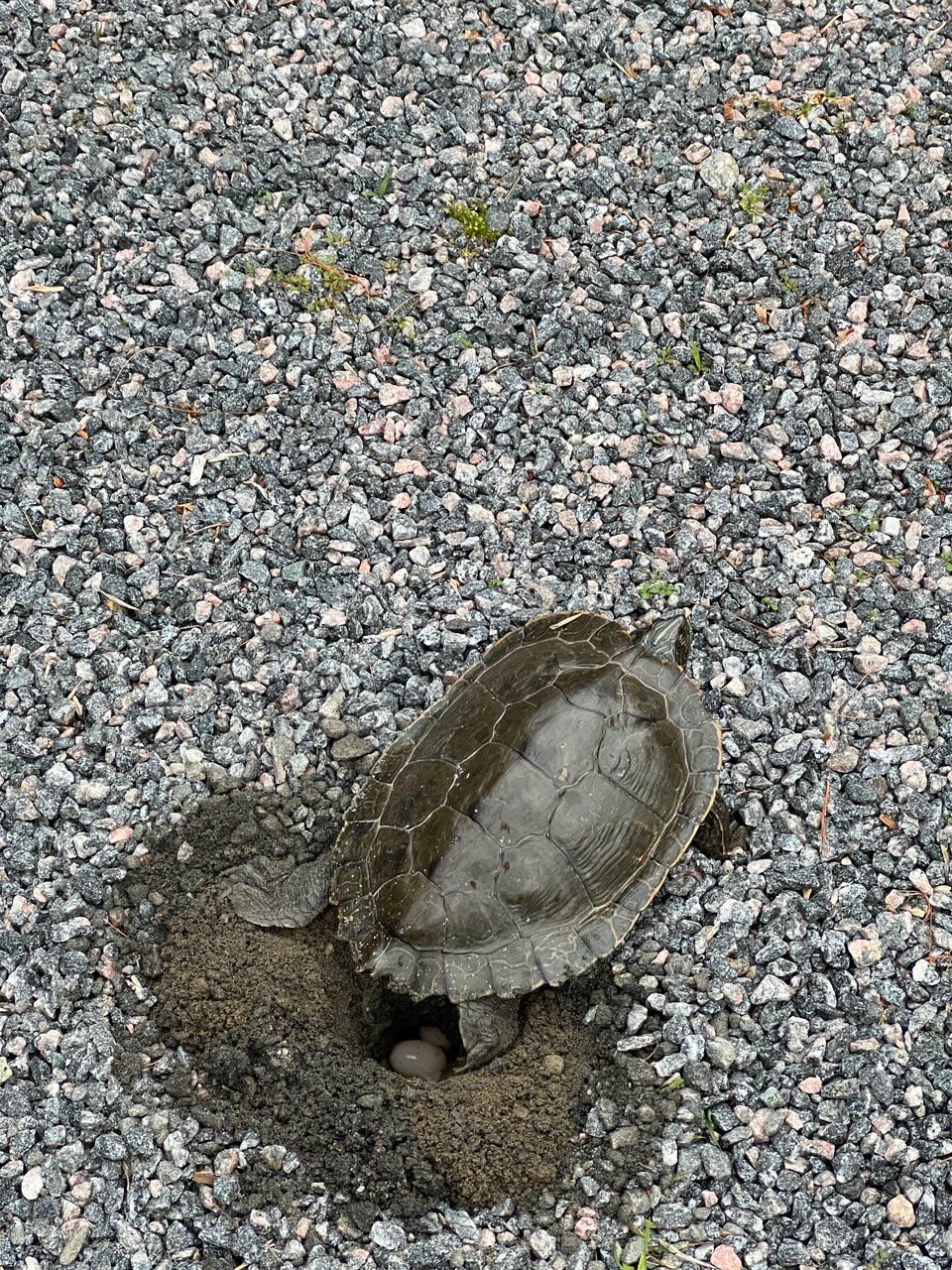
Turtle initiatives remained a core focus, enhancing one of the most extensive mark-recapture datasets for at-risk turtles in Ontario. Spotted Turtle monitoring showed continued population persistence at long-term sites. Nesting surveys in June and July found high predation pressure, with 513 nests already predated upon observation, and 600 nests excavated for protective incubation. Eggs were also salvaged from turtles killed on roads to help offset adult losses. The report notes that reducing adult road mortality remains the most effective conservation strategy, even as nest protection continues.

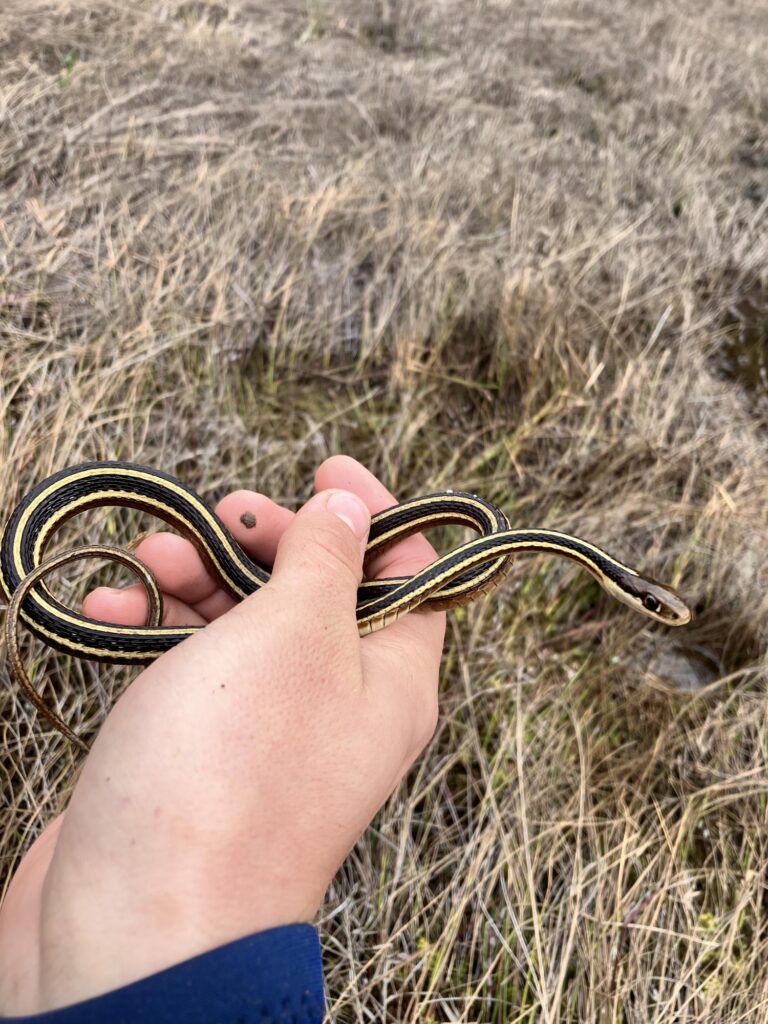
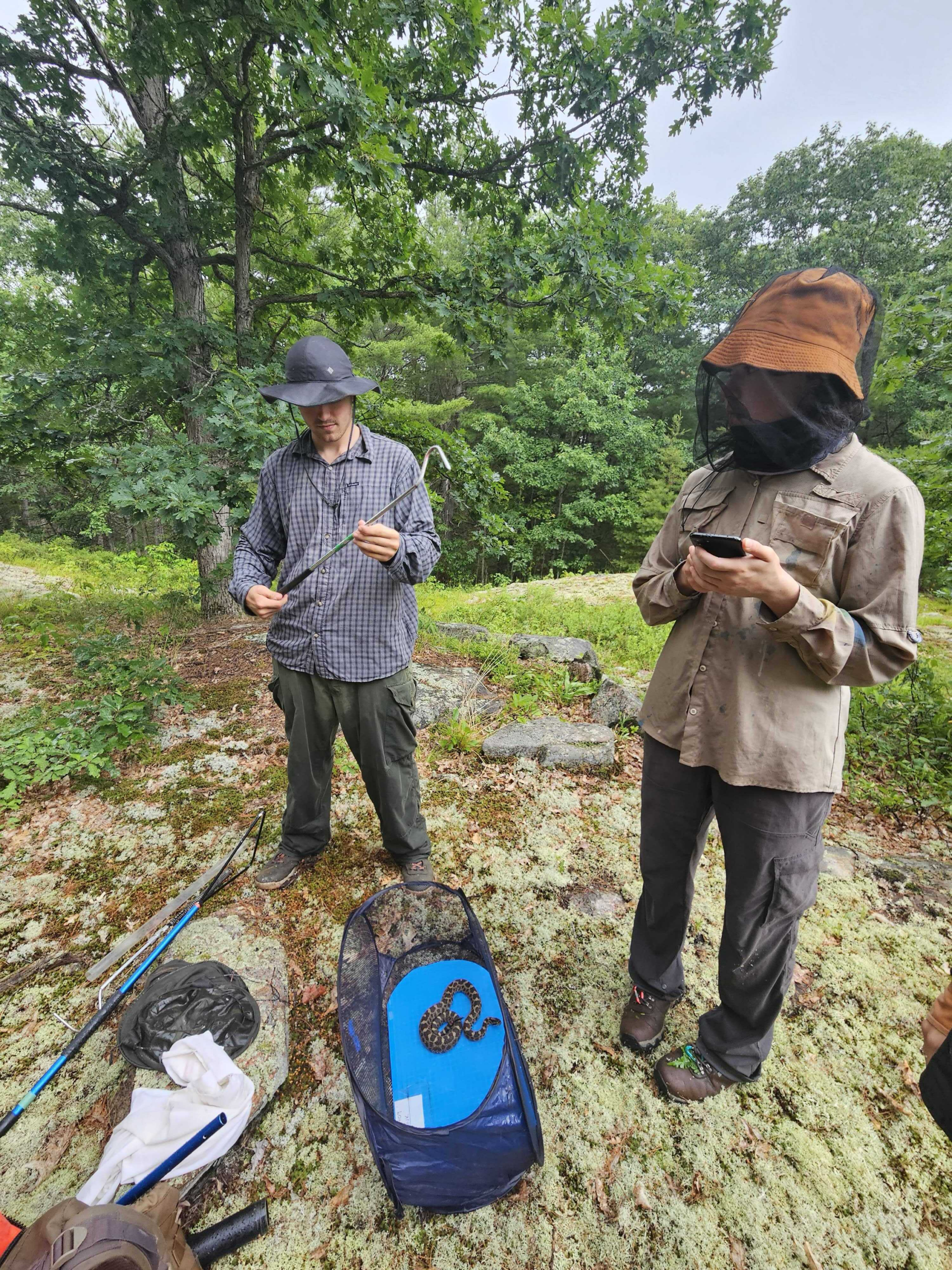
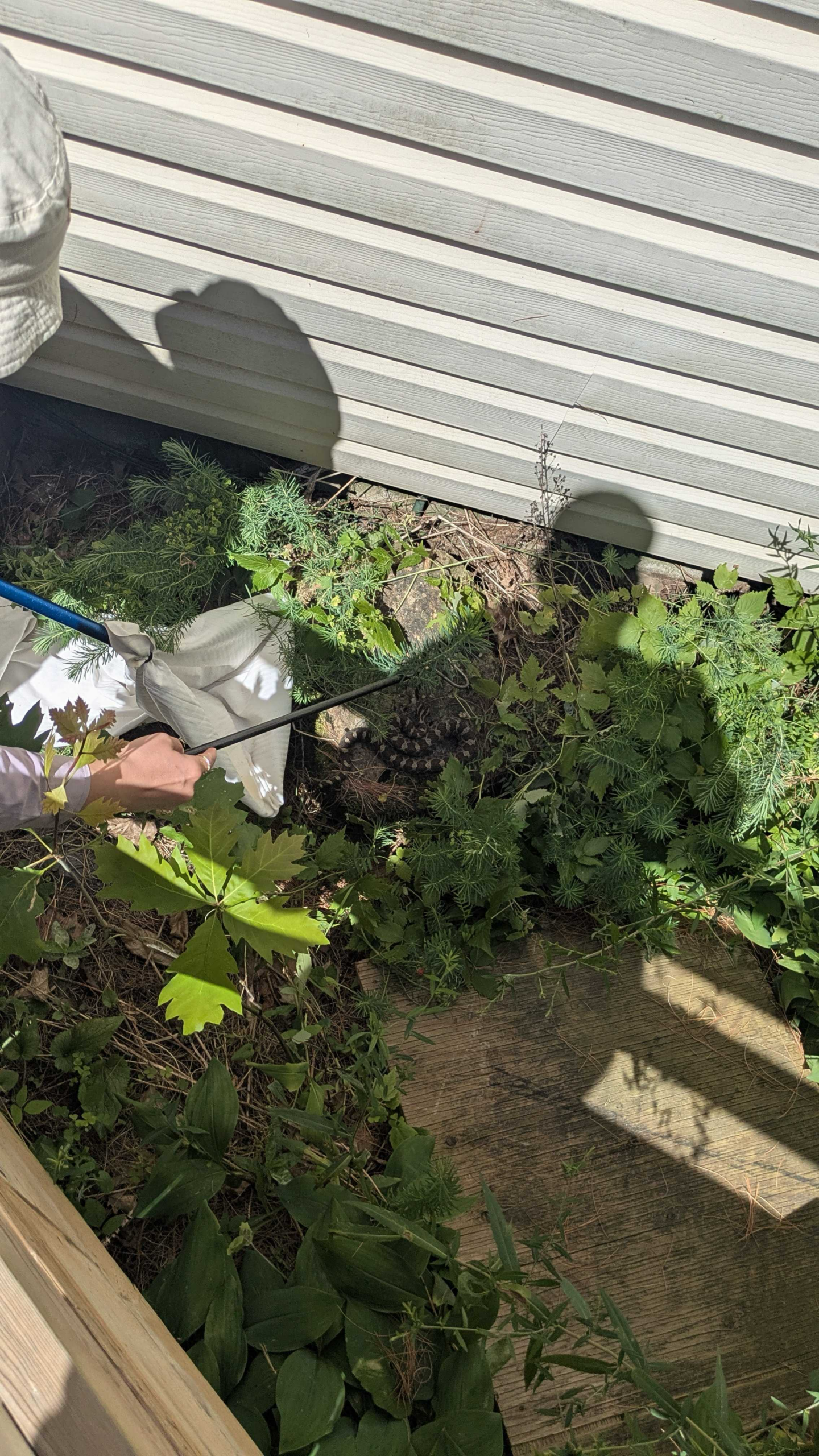
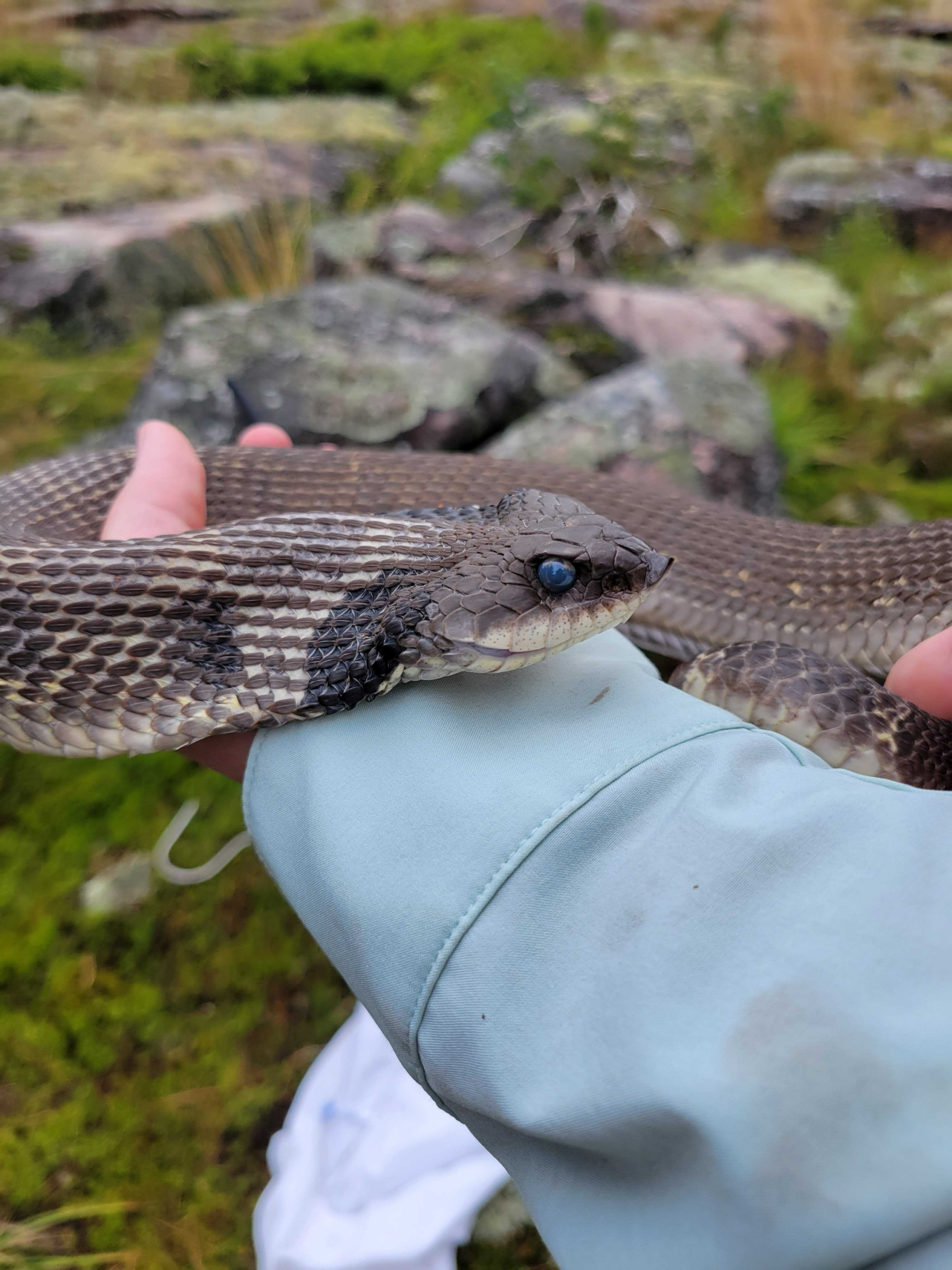
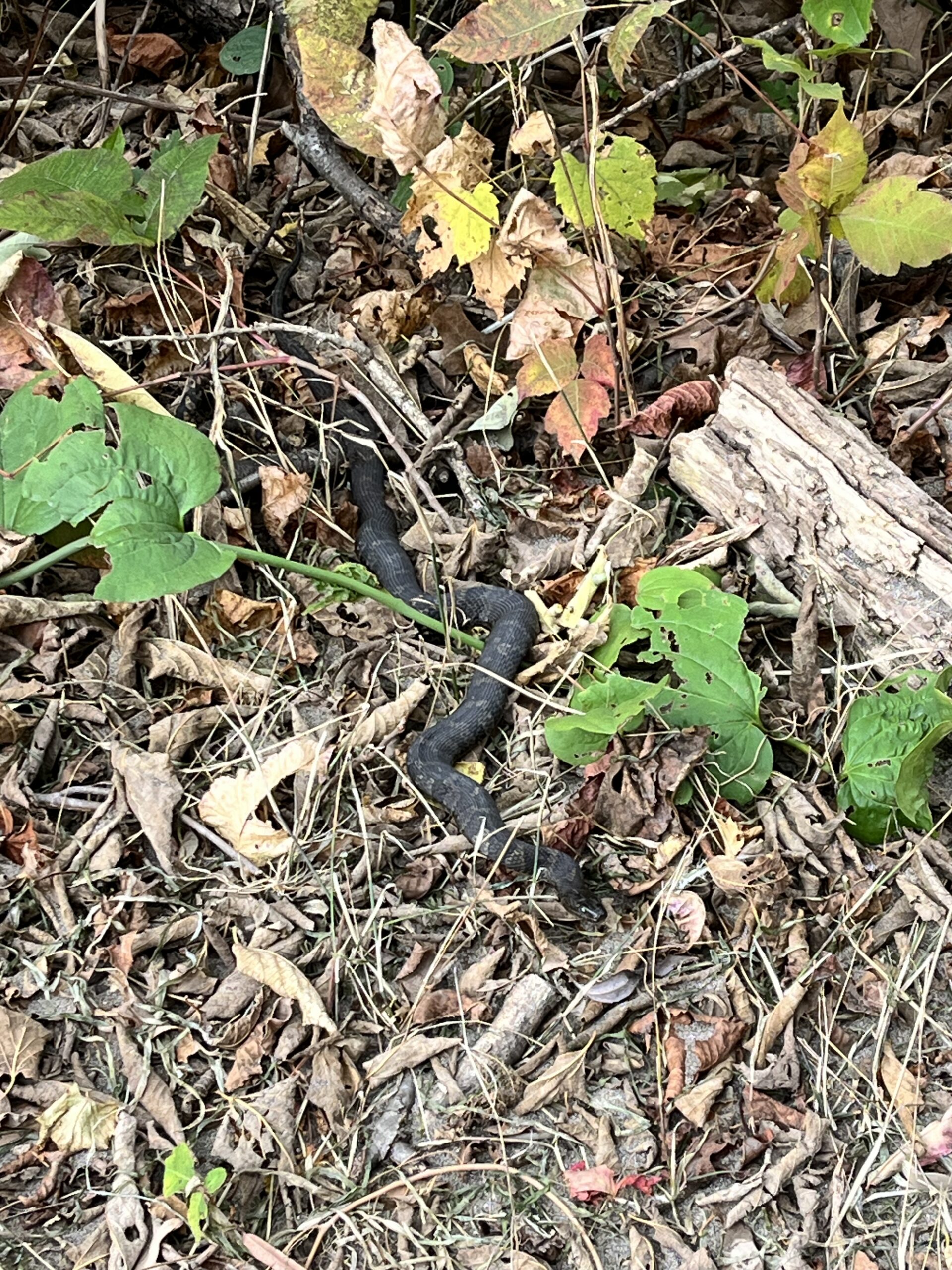
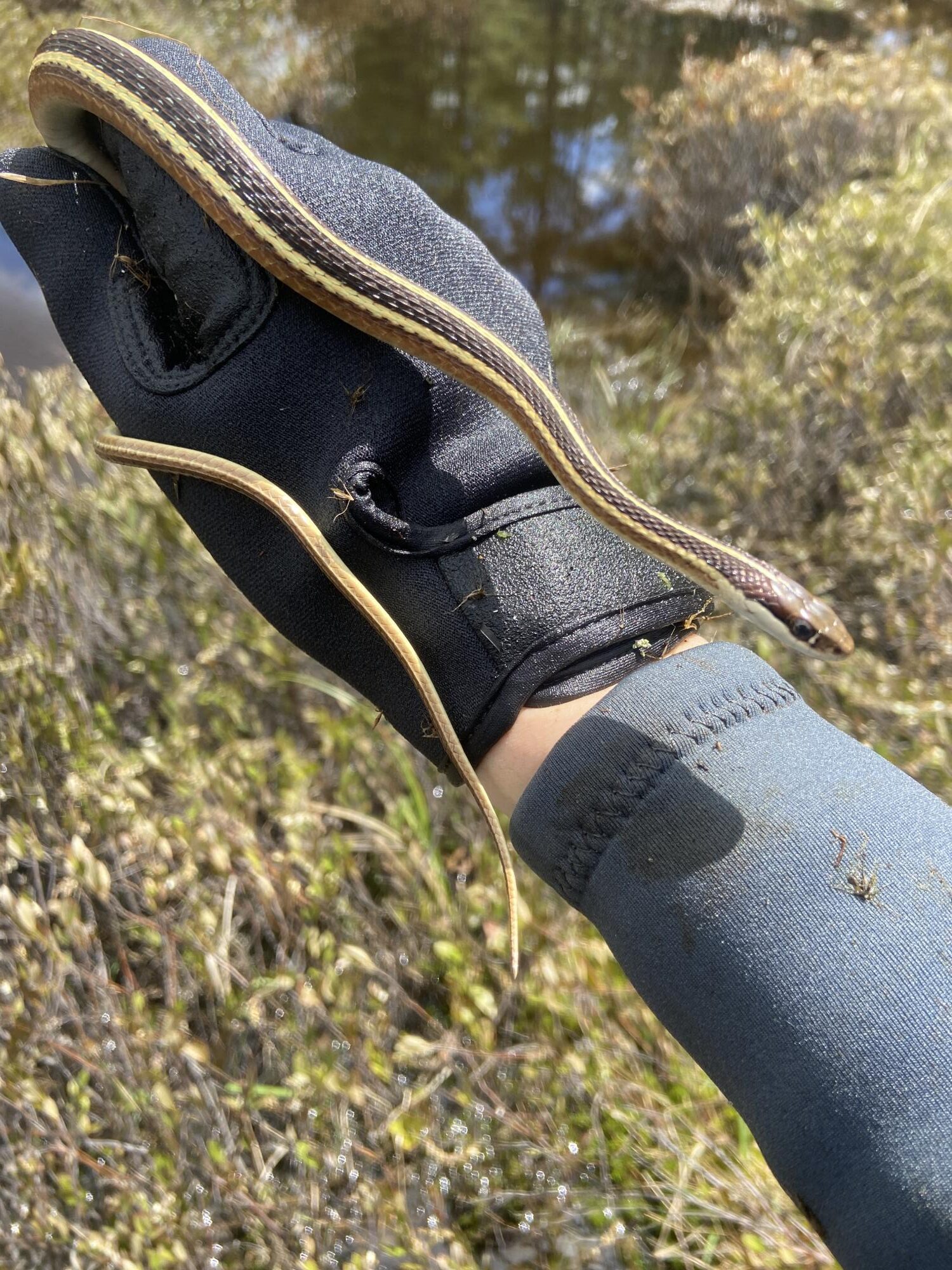
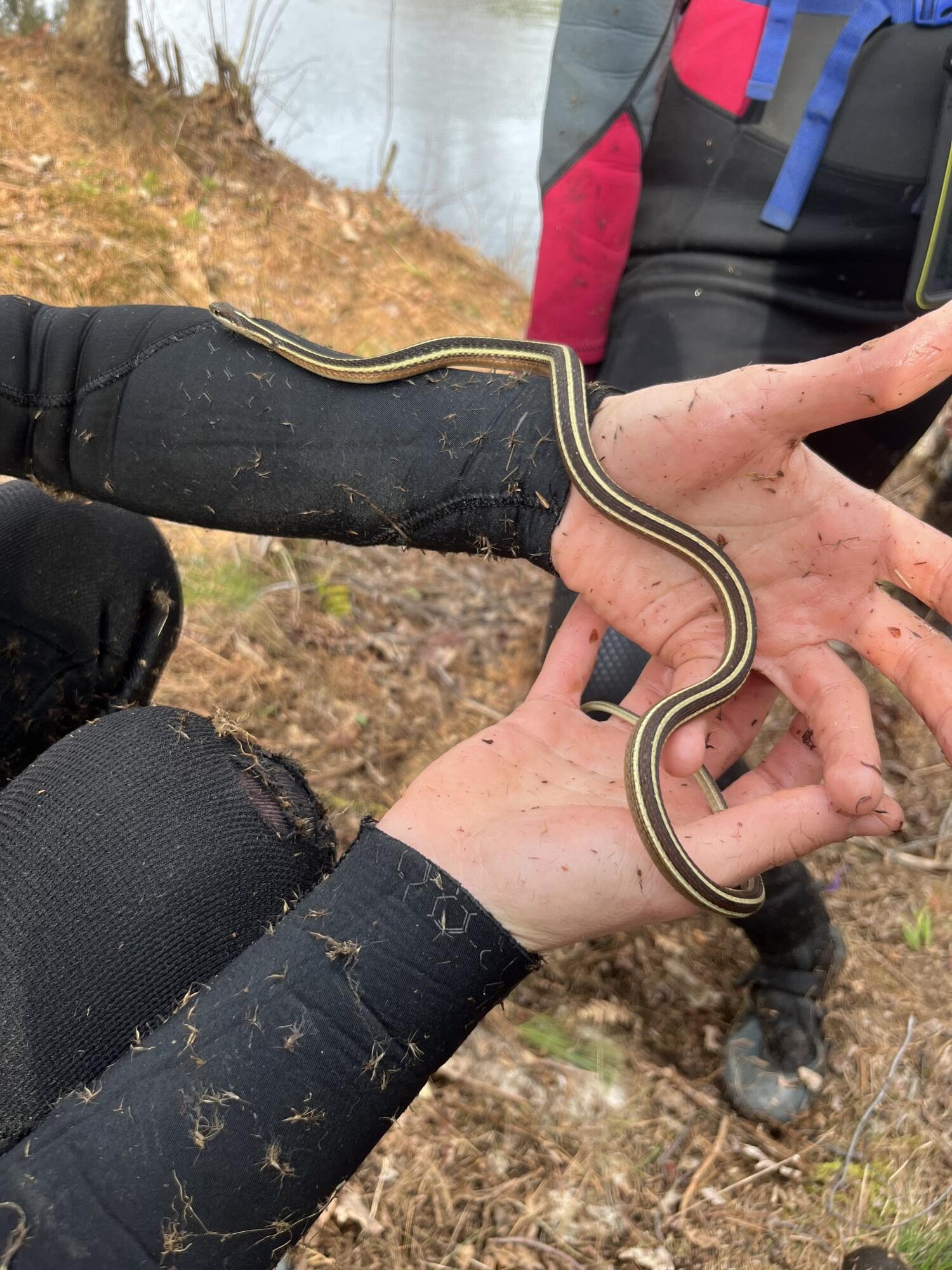
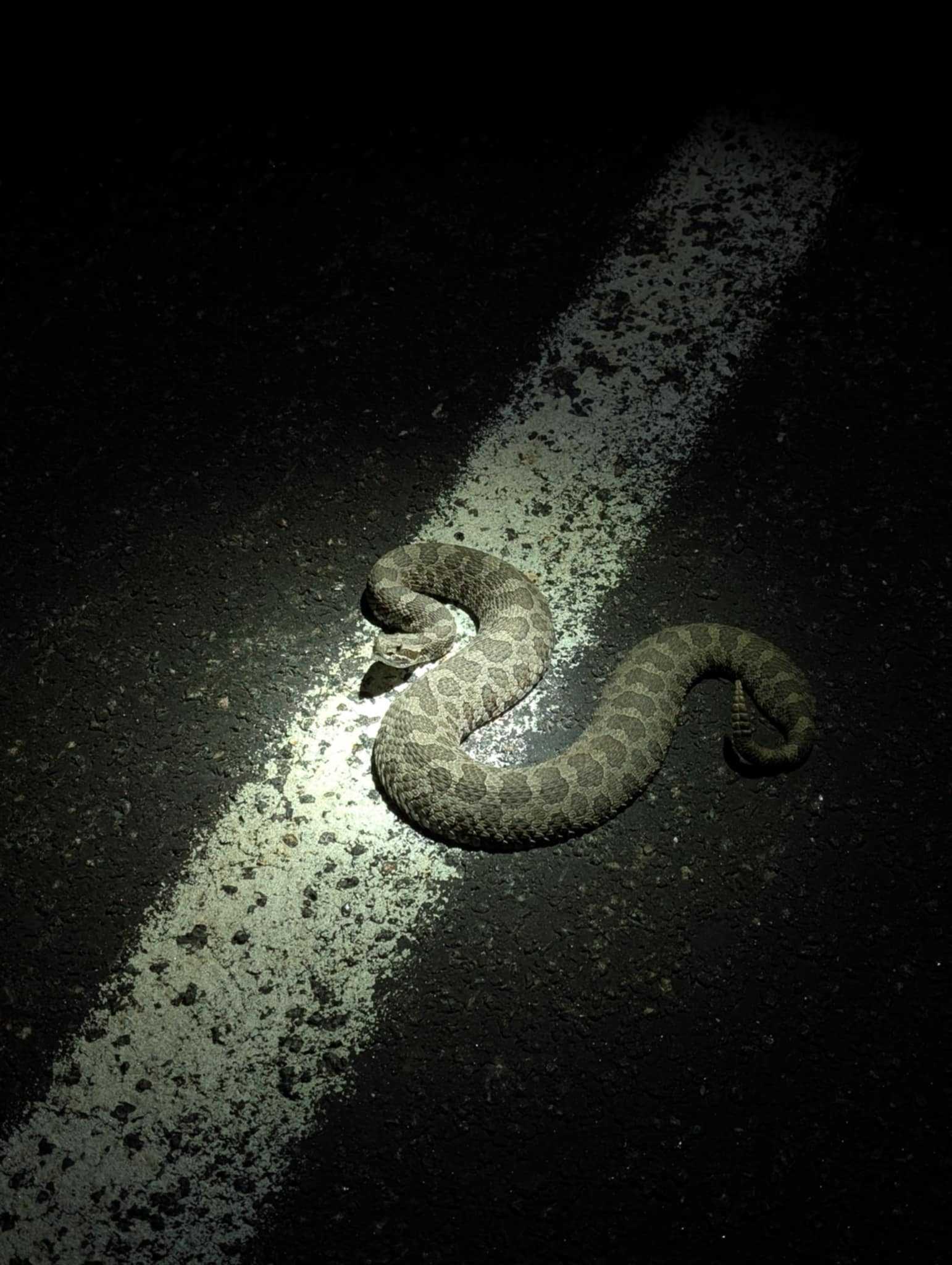
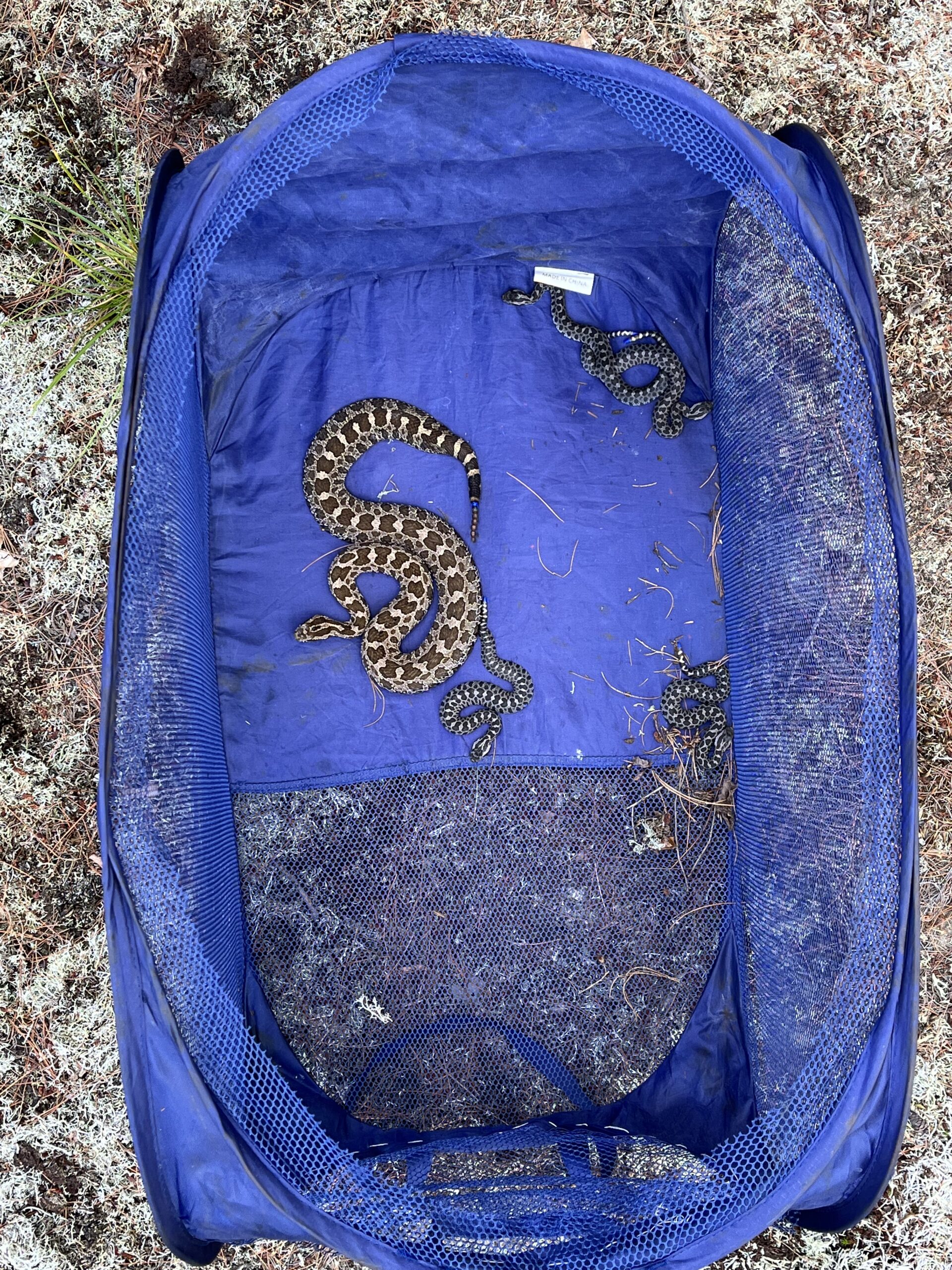
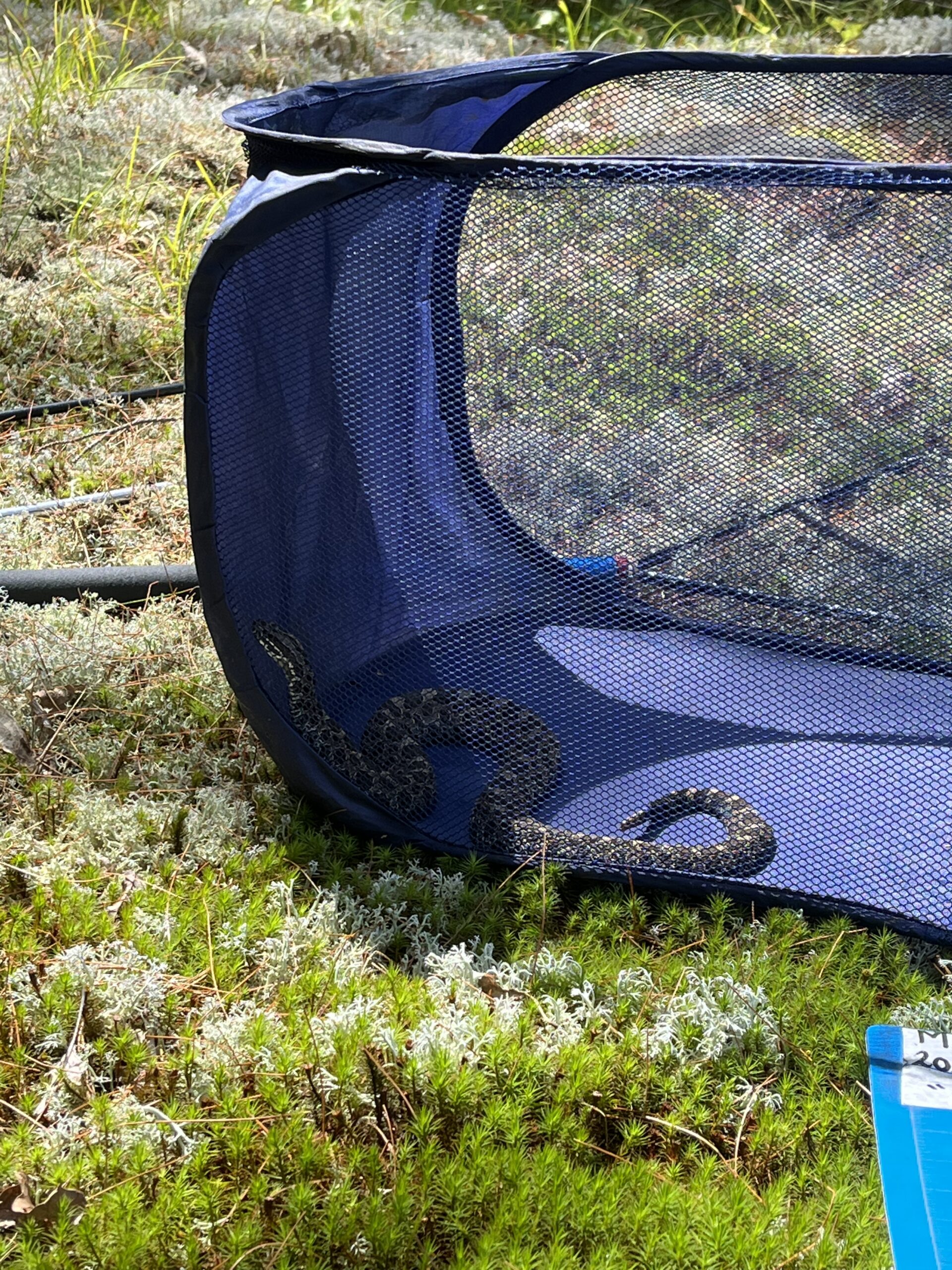
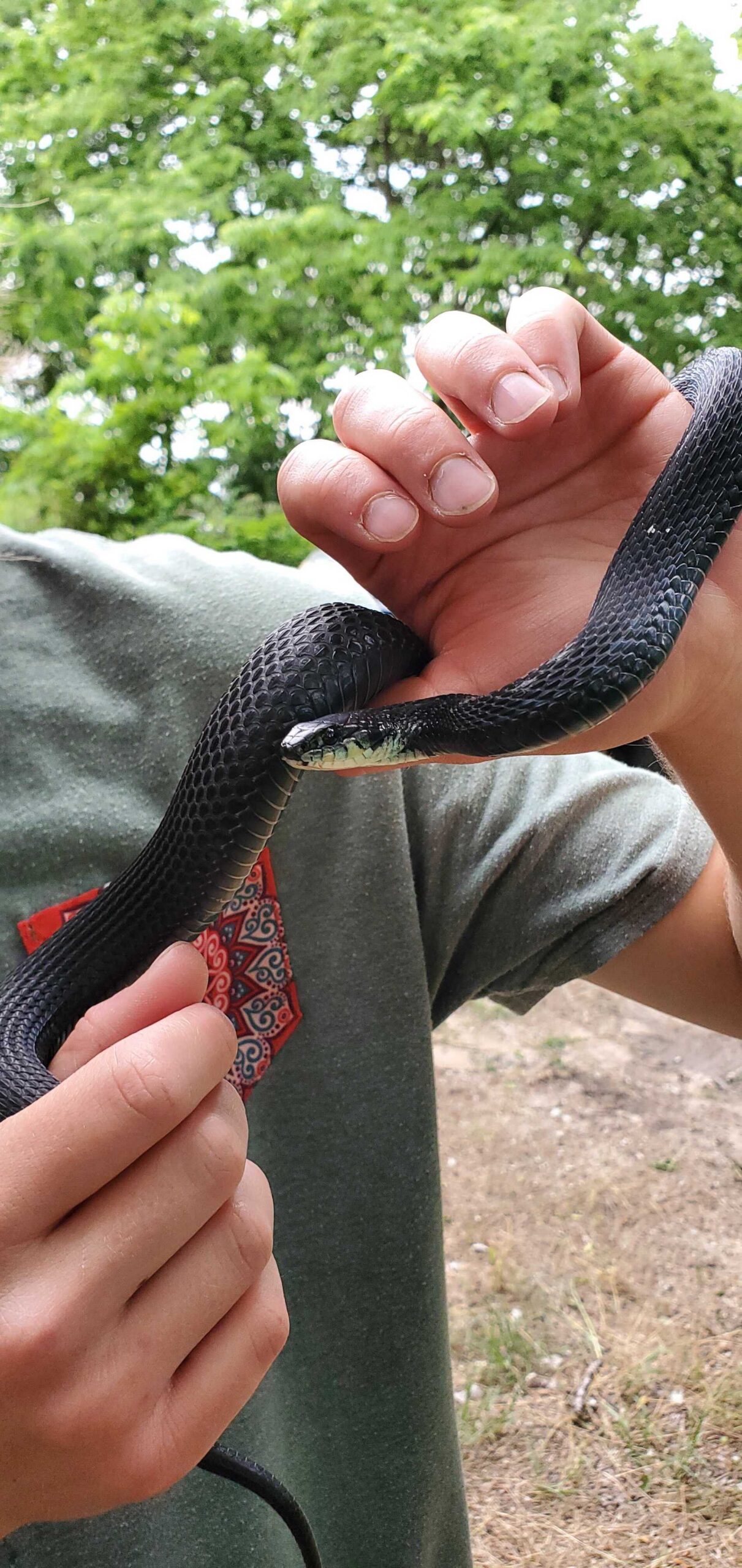
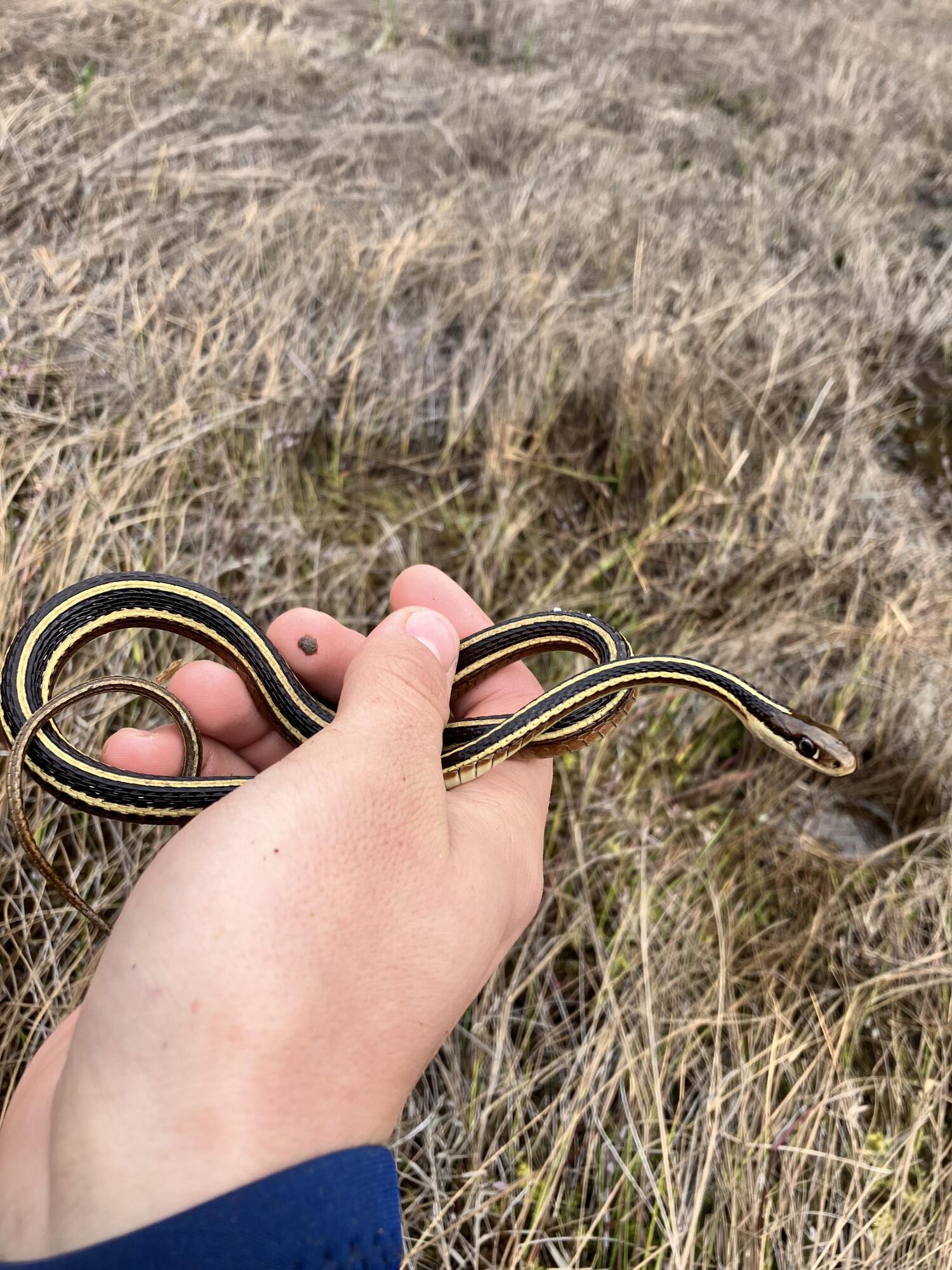
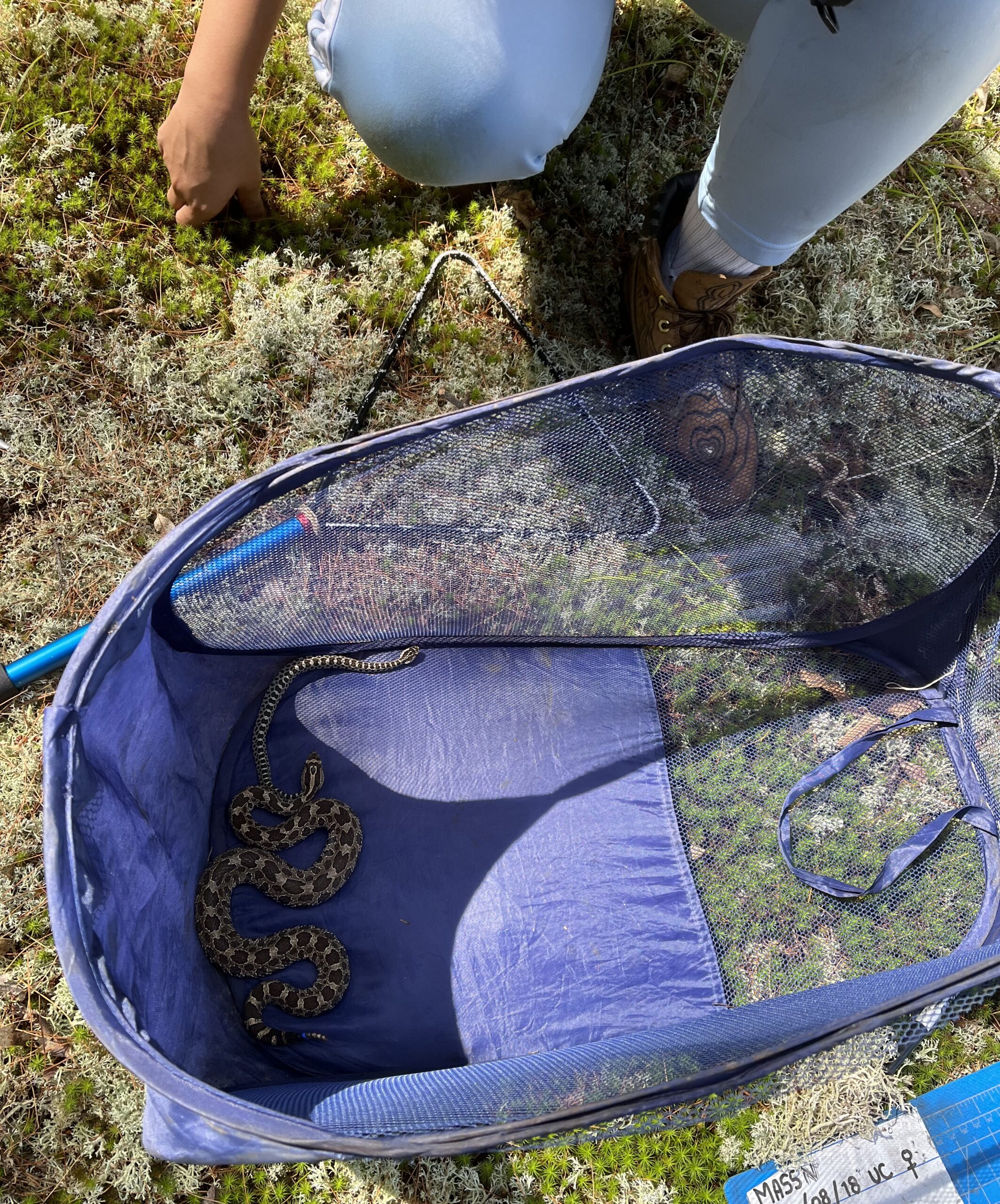
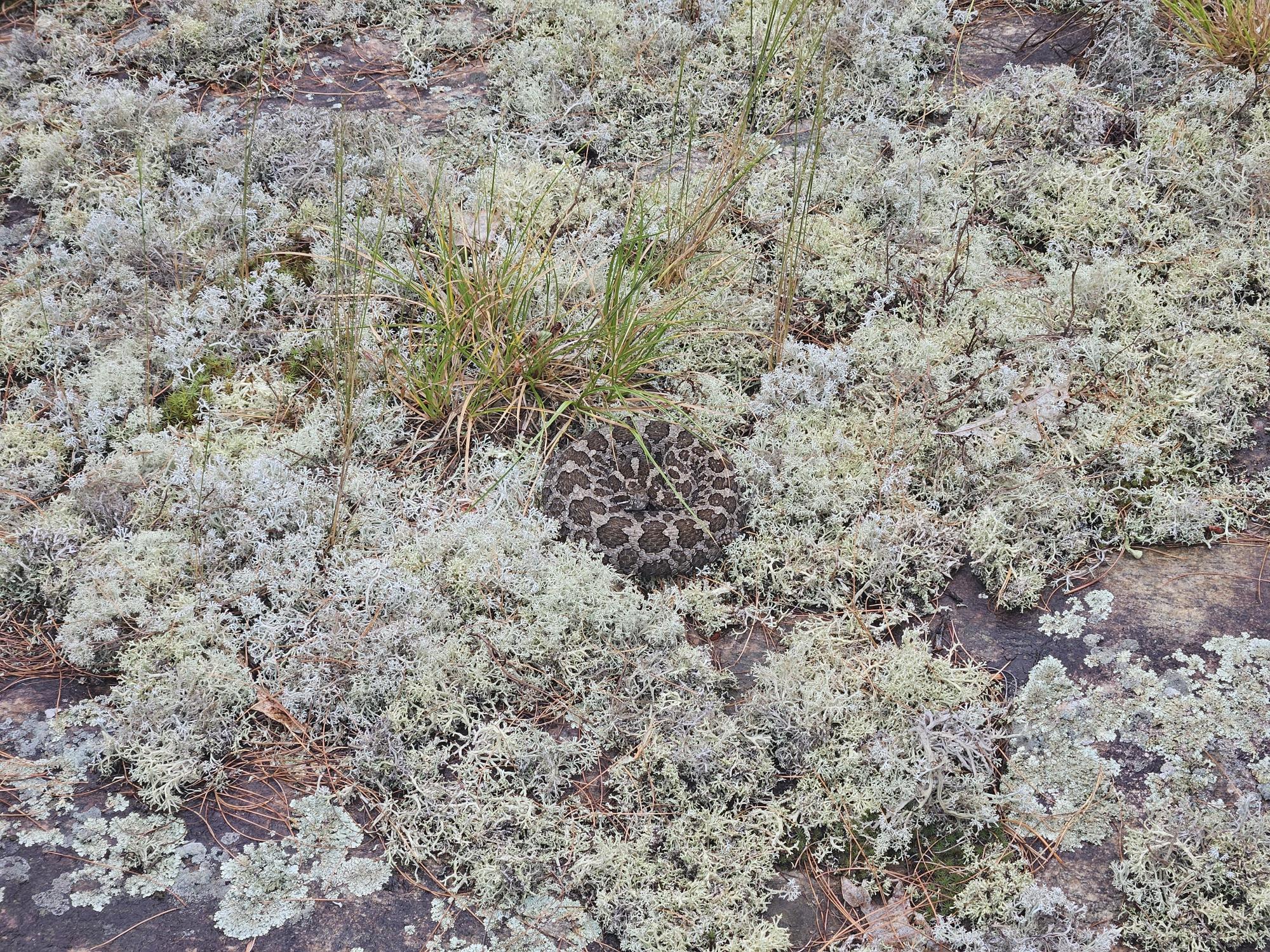
The CARES project confirmed several gestation sites and neonates, indicating successful reproduction at multiple monitored sites. Lower detection numbers for snakes this year reflect reduced survey effort rather than population decline.

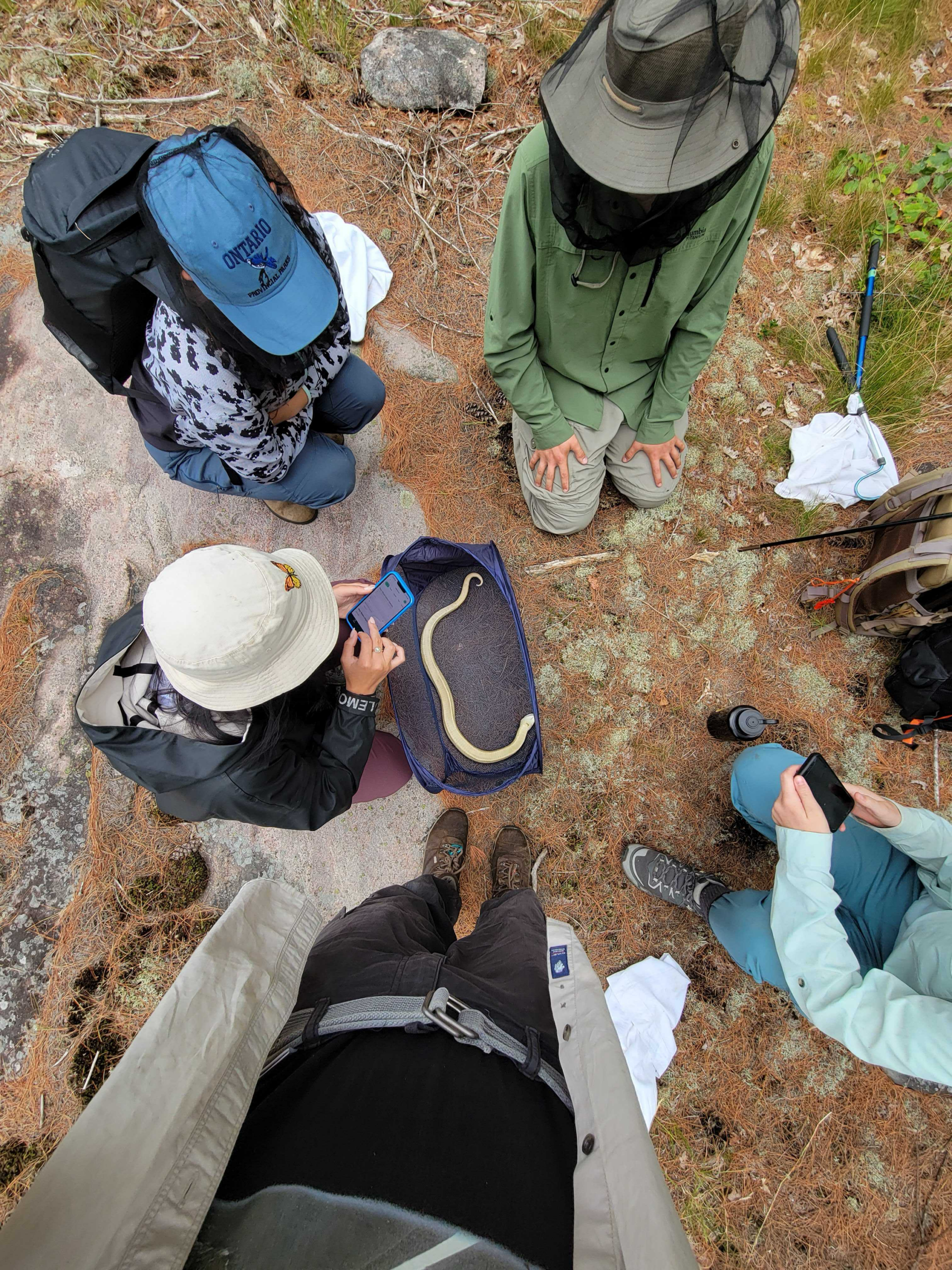
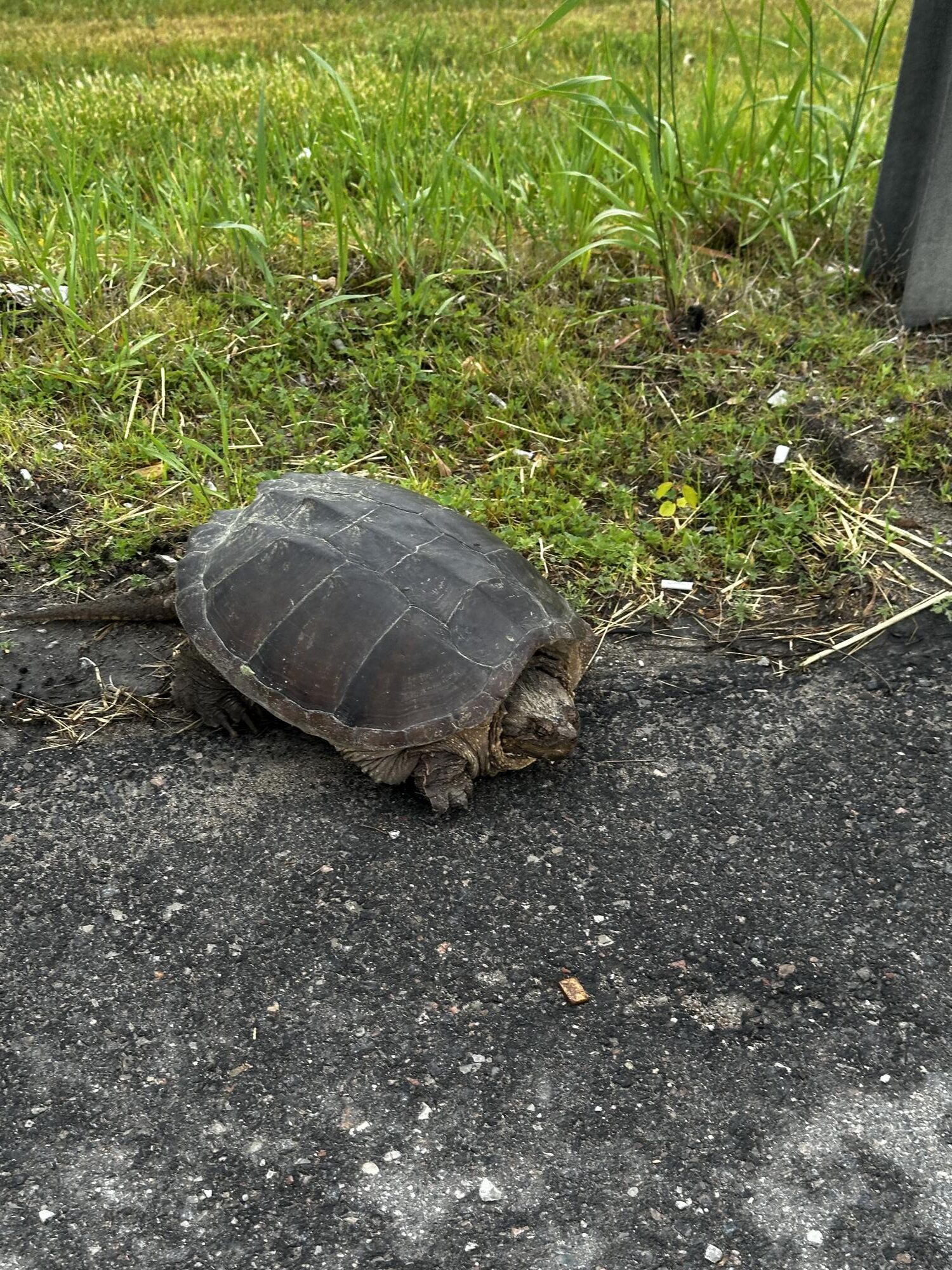
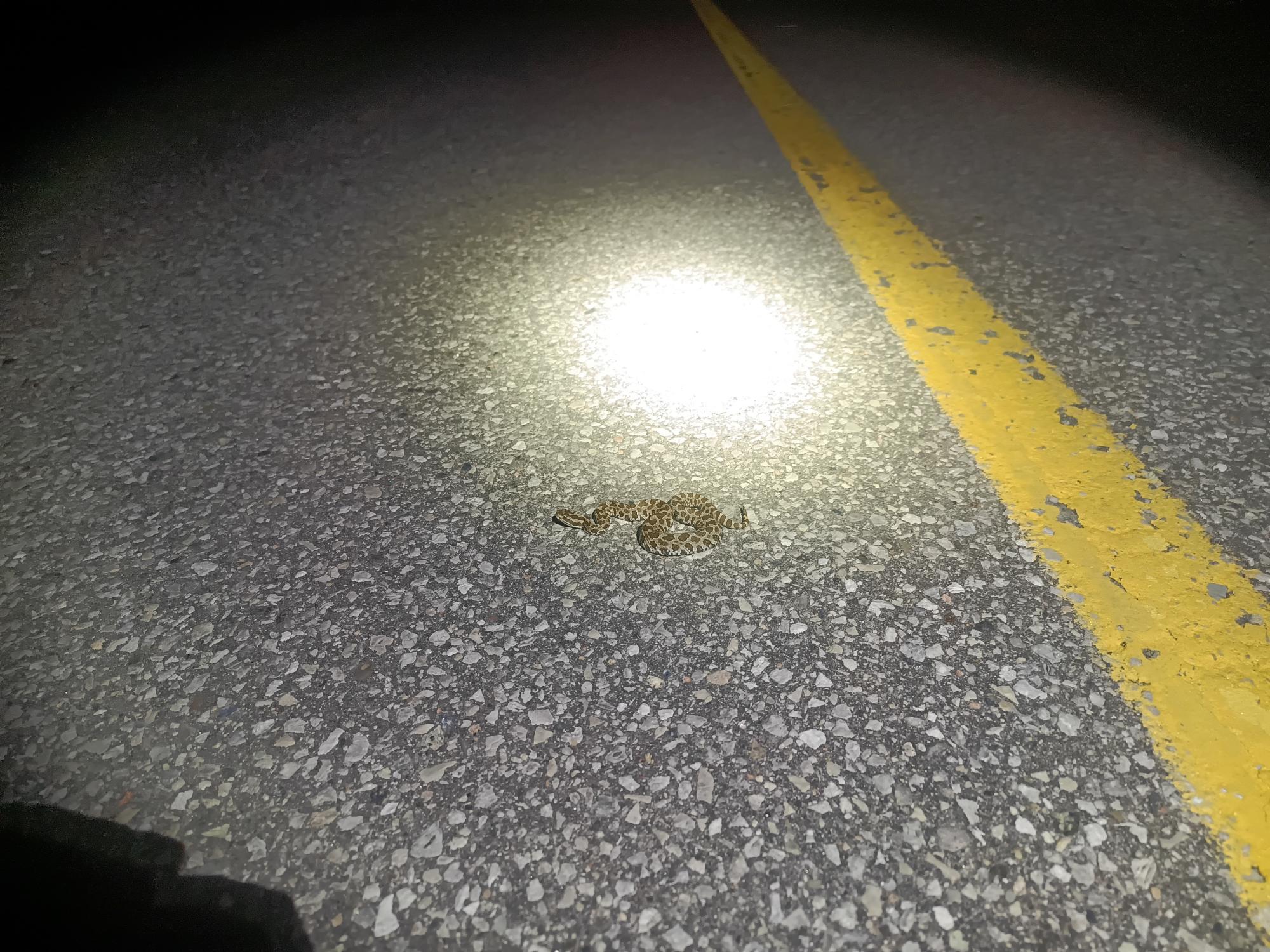
Road mortality mitigation remained central to the project’s initiatives. Technicians safely relocated 686 live reptiles and amphibians off roads and documented 641 road-killed individuals, salvaging eggs from 24 road-killed turtles for incubation. Community involvement also stayed strong, with a reptile hotline fielding 851 calls, 69 volunteers trained through a tiered program, and 68 public presentations and workshops delivered. Data from this long-running program continues to support academic research on turtle and snake population dynamics, genomics, and conservation breeding techniques.

Further Details

For more information about the ‘Saving Turtles at Risk Today (START) and Conservation Action, Research and Education about Snakes (CARES) Projects for the Eastern Georgian Bay Region’, please visit the links below.

ARCC website
Scales Nature Park website