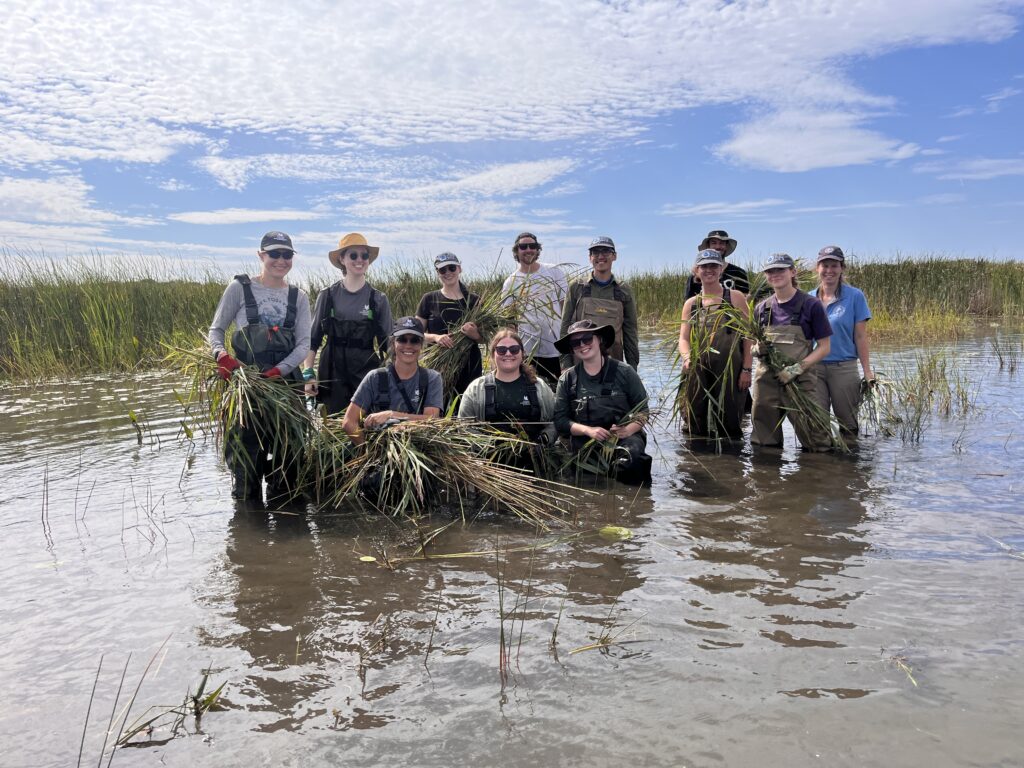
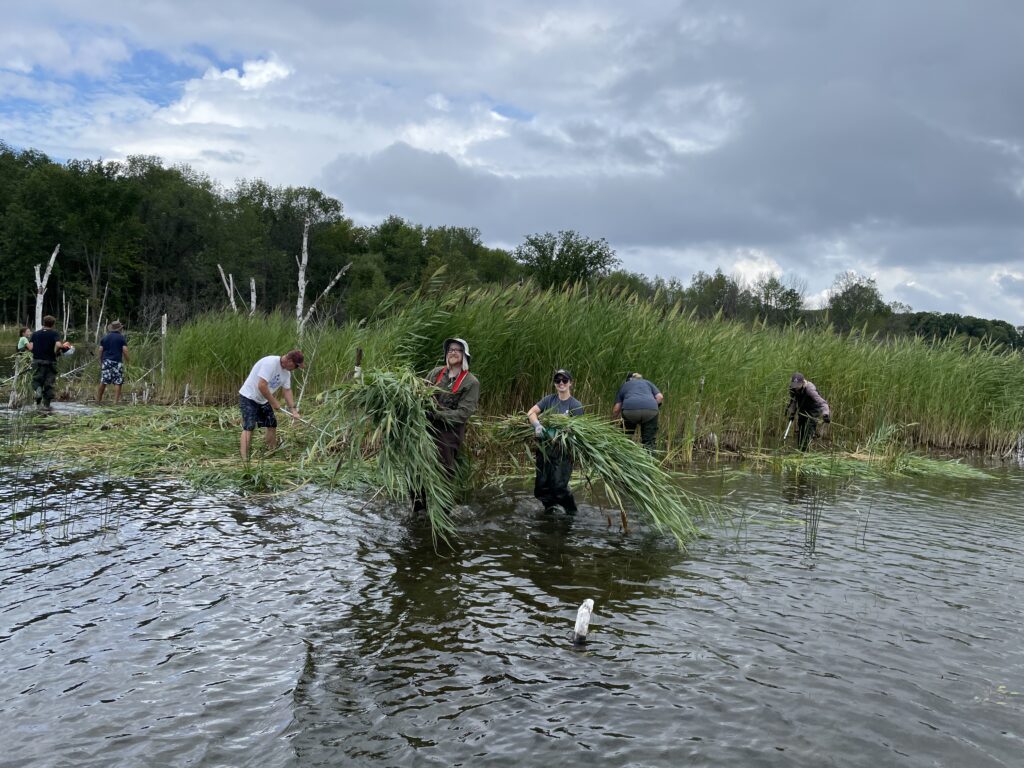
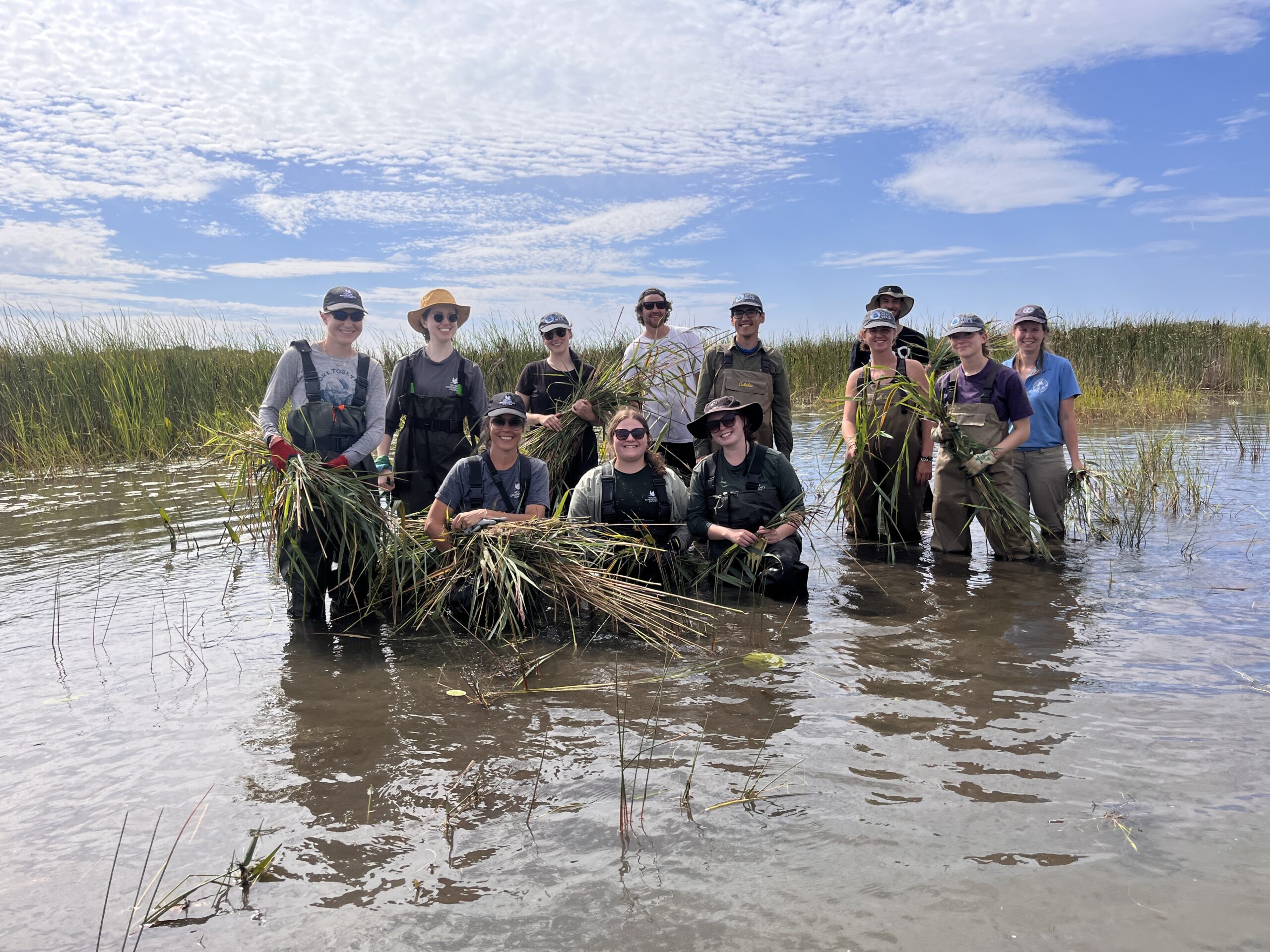
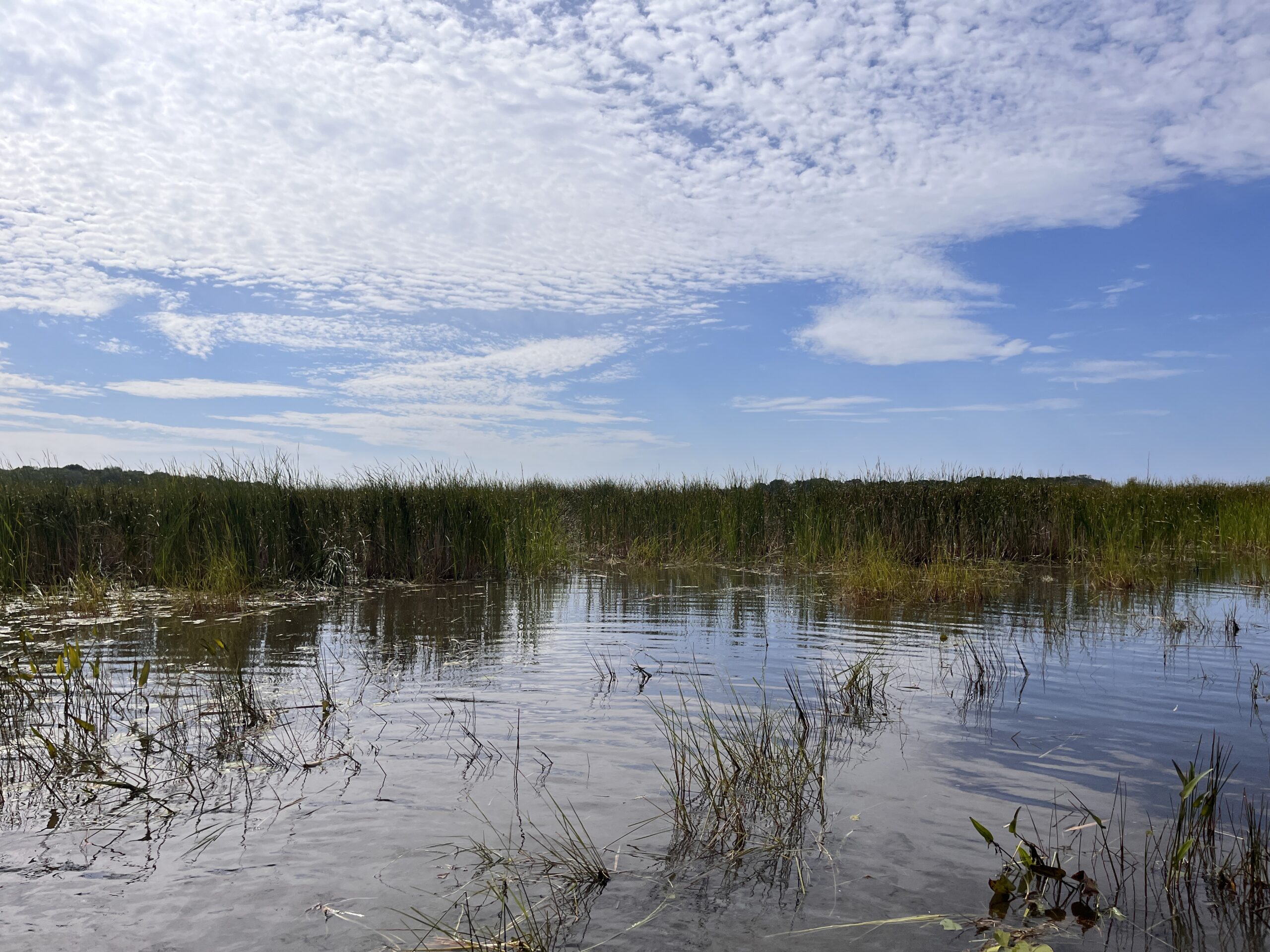
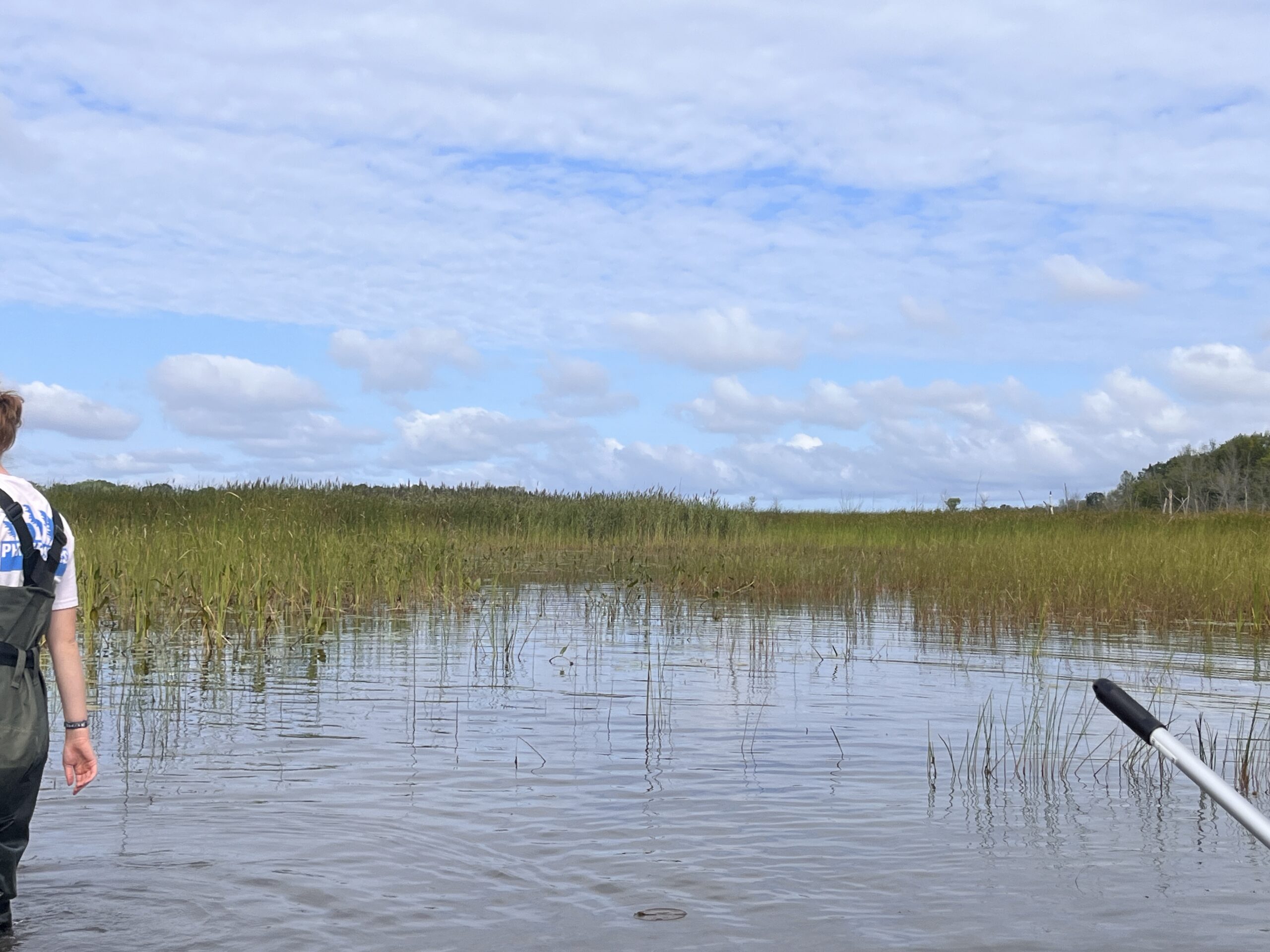
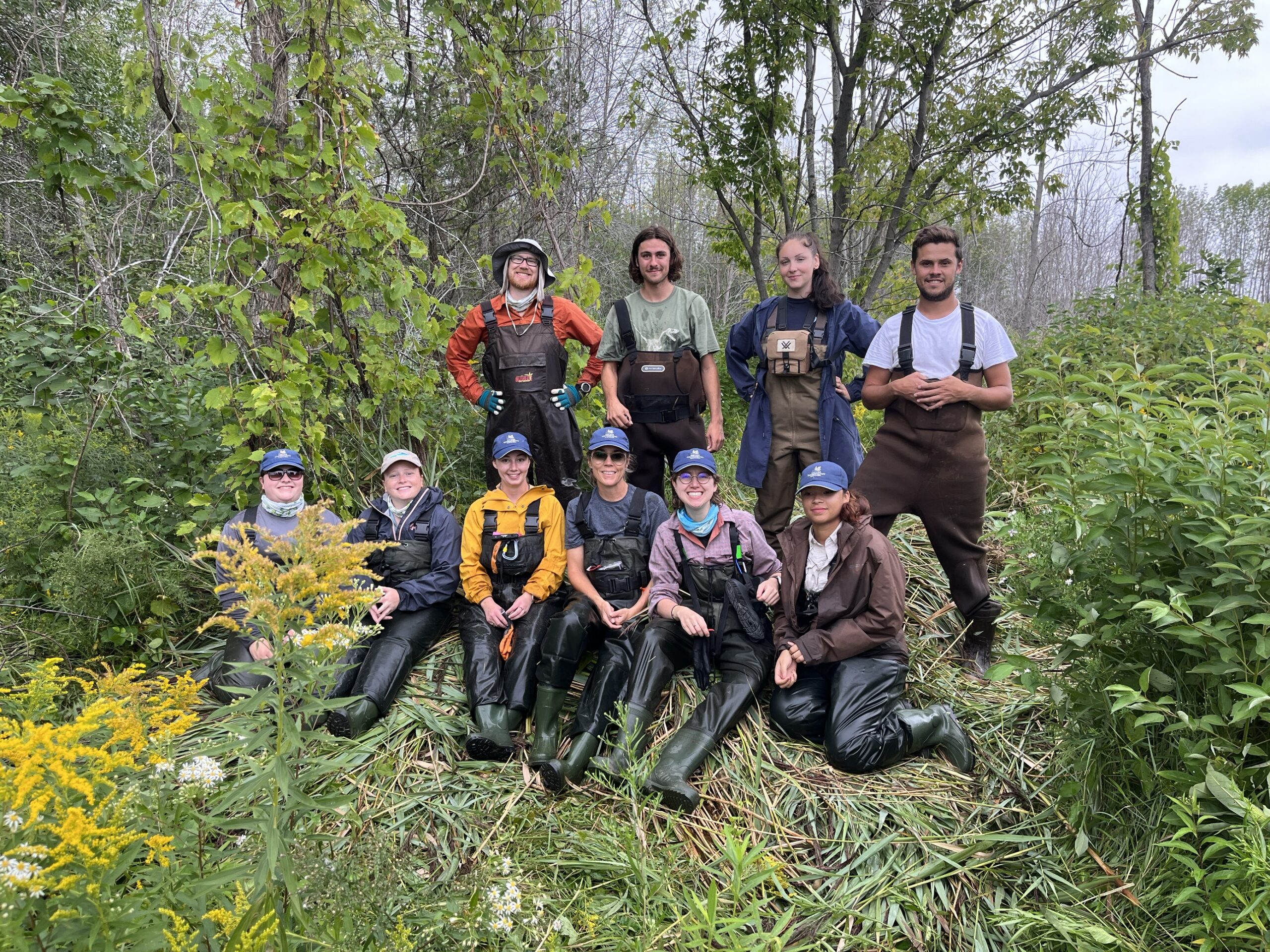
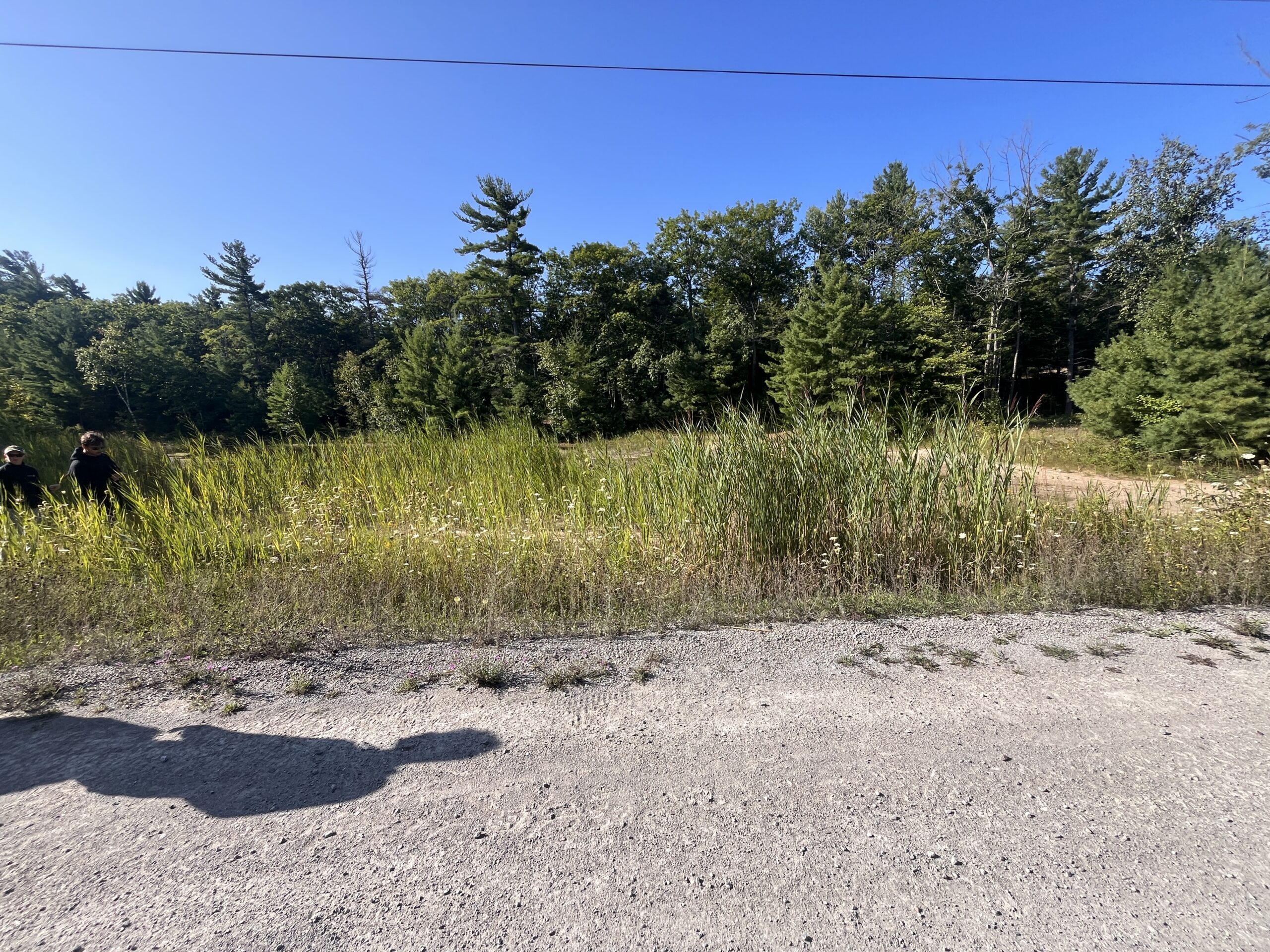
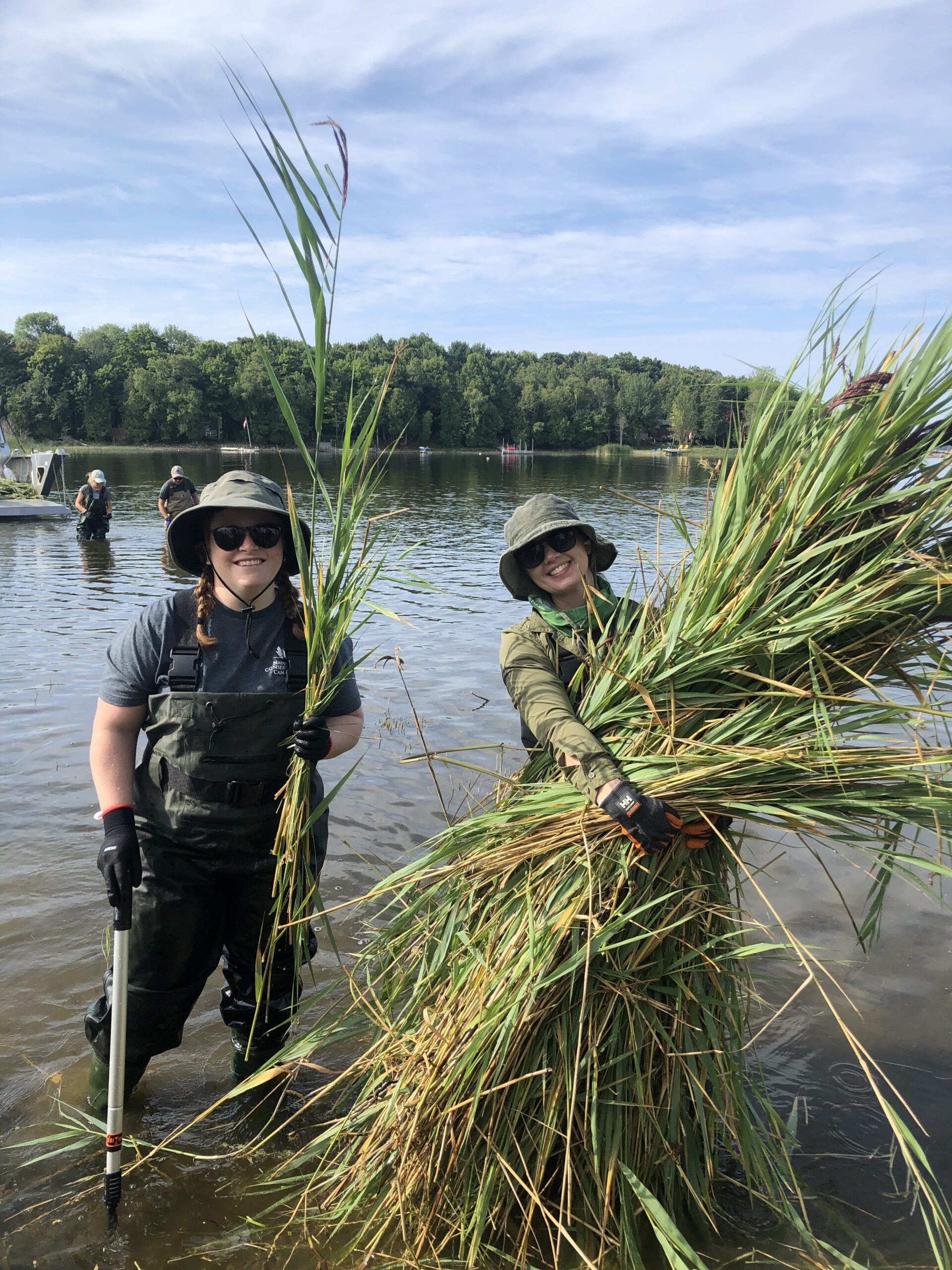
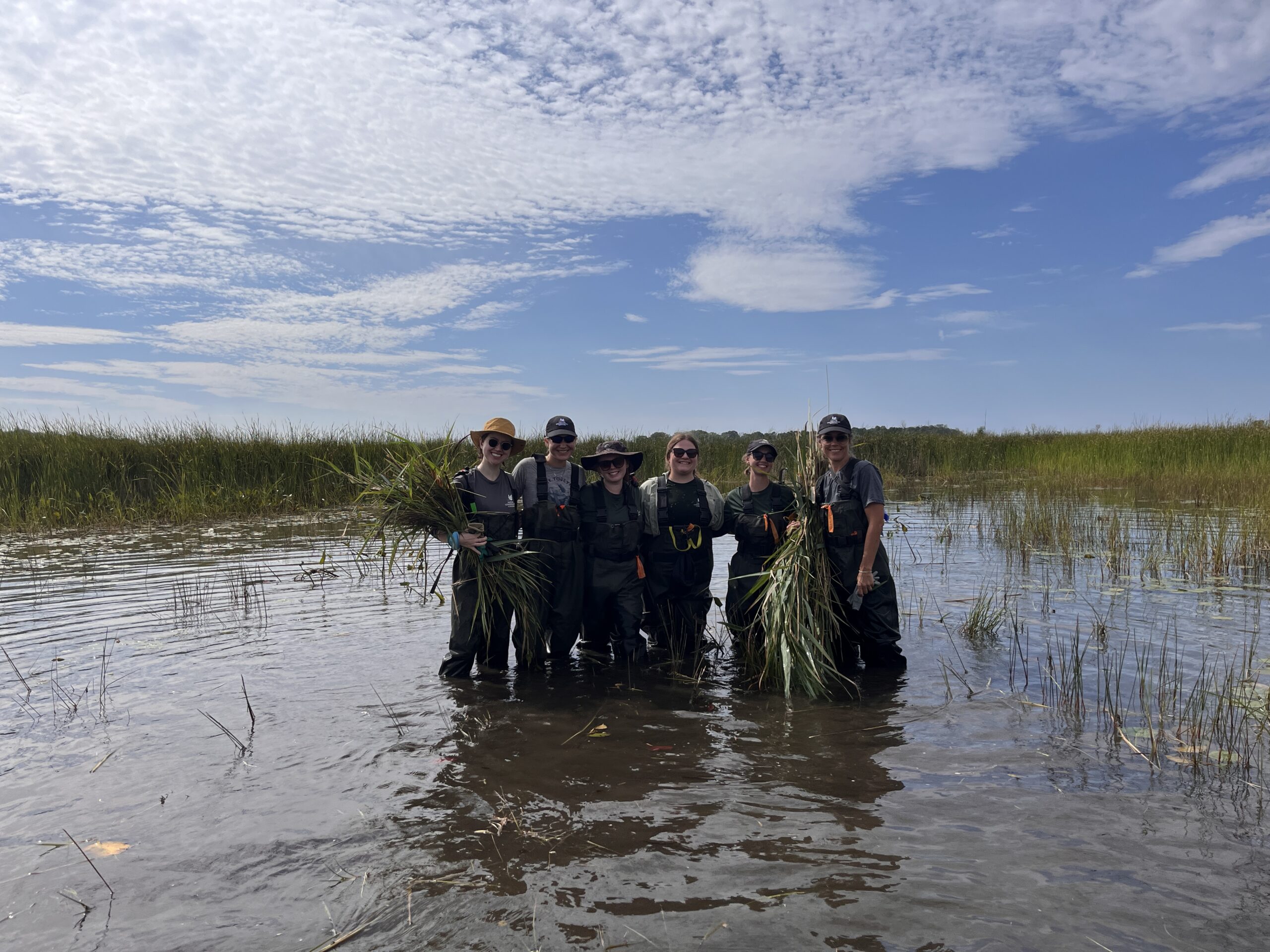
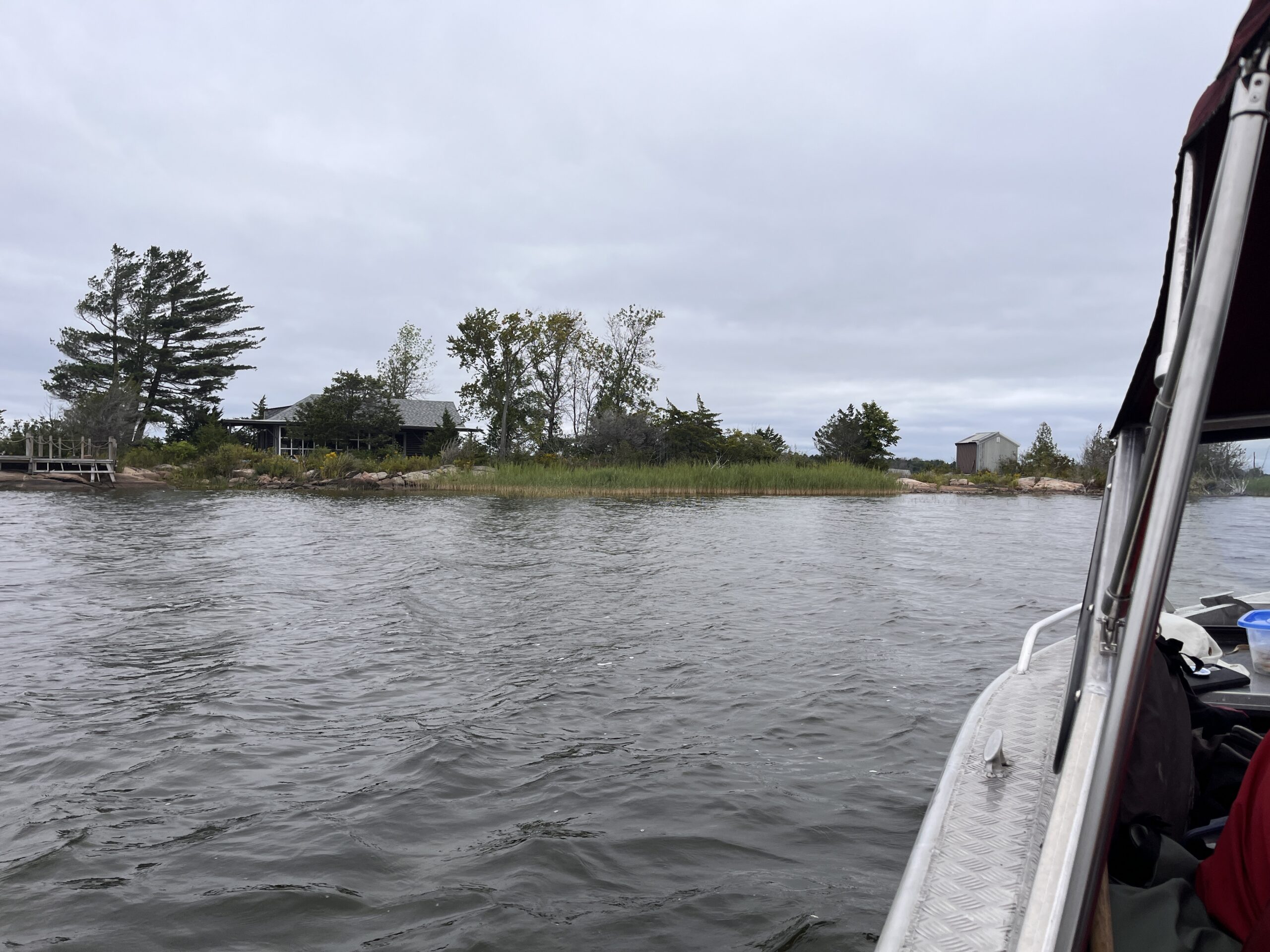
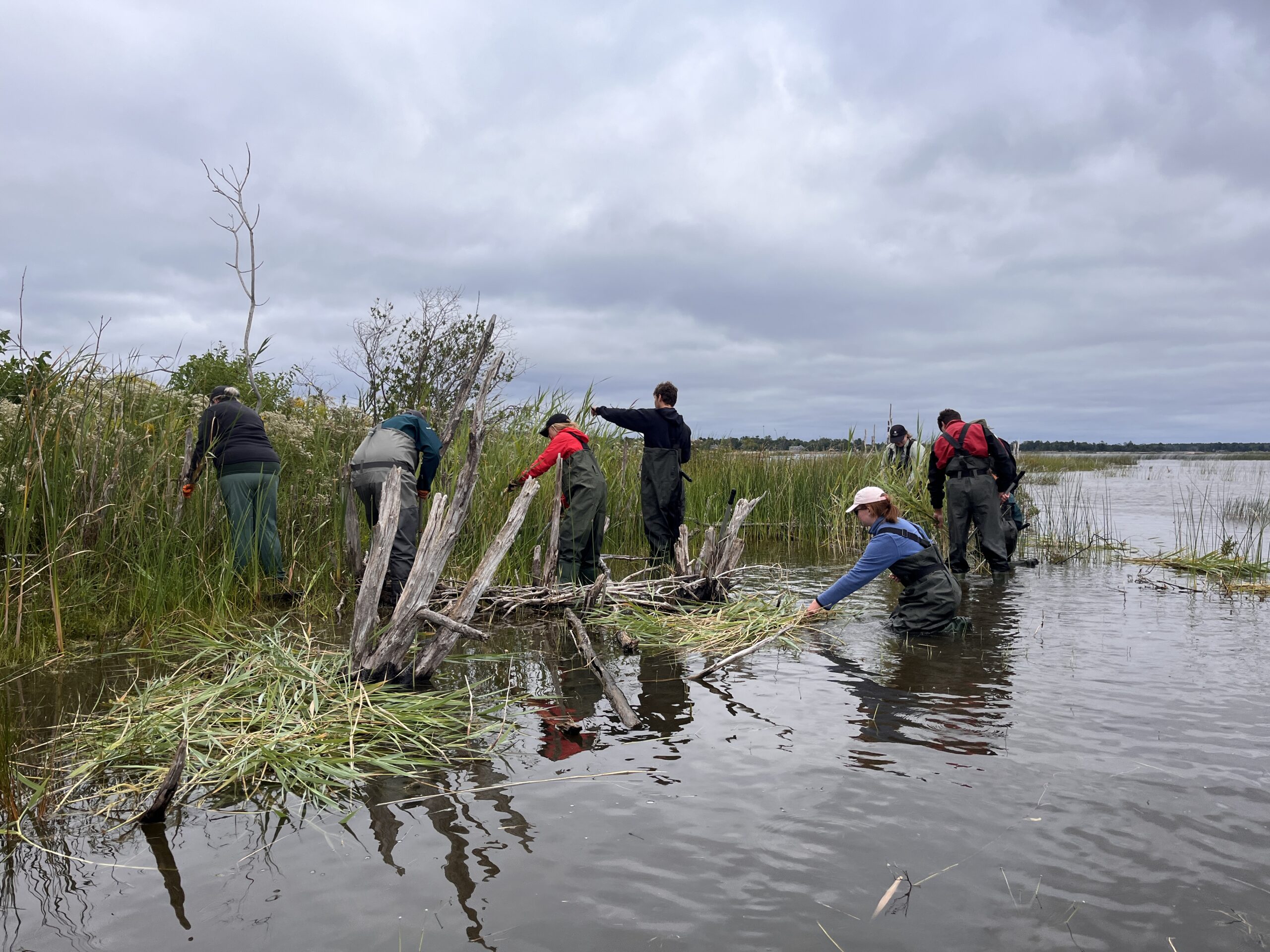
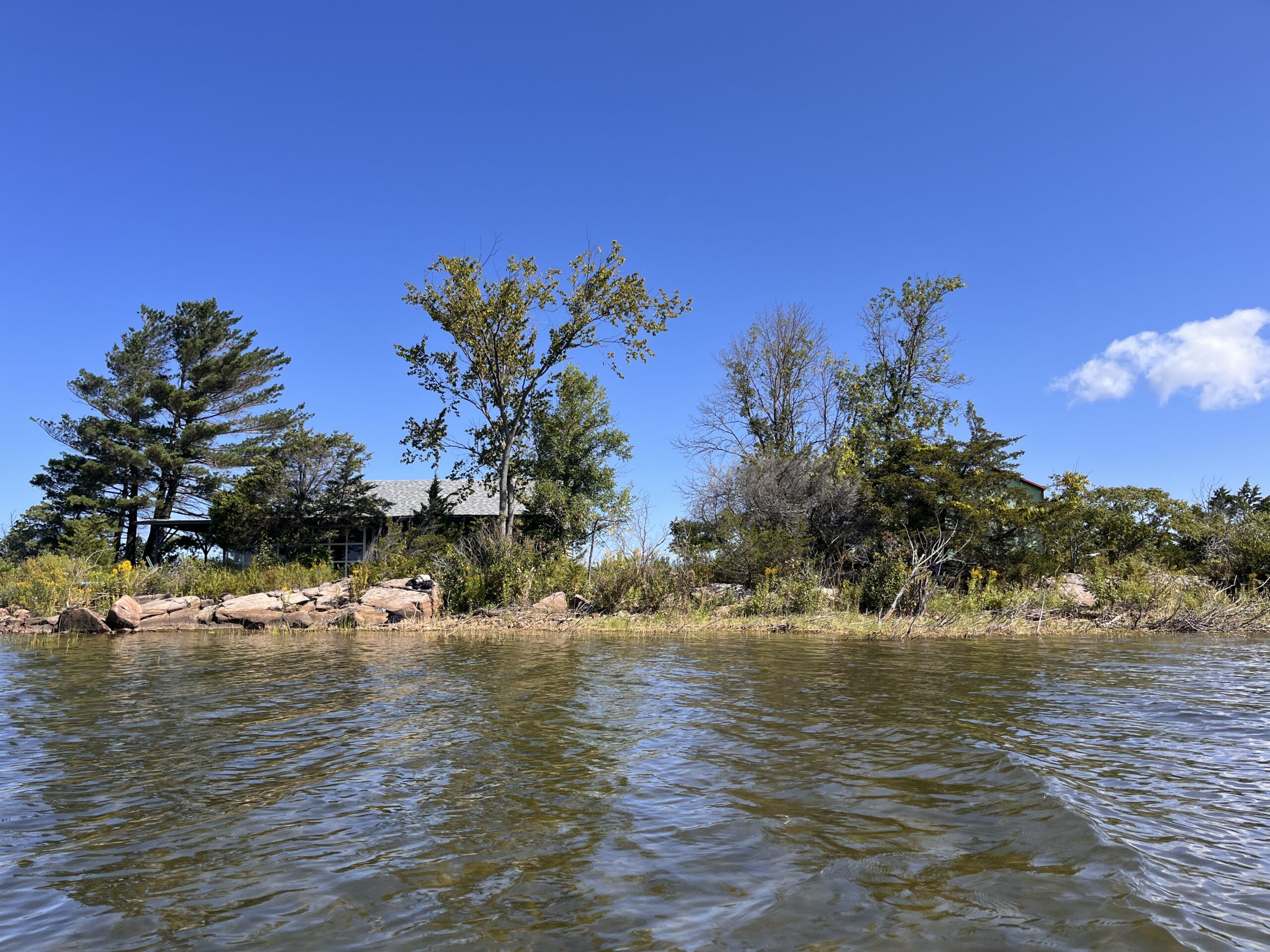
Over five years of EGBI funding, the Nature Conservancy of Canada and the Georgian Bay Land Trust led a landscape-scale effort to control invasive Phragmites, an aggressive wetland grass that crowds out native vegetation and degrades the coastal habitat that many of Eastern Georgian Bay’s SAR turtles and snakes depend on.
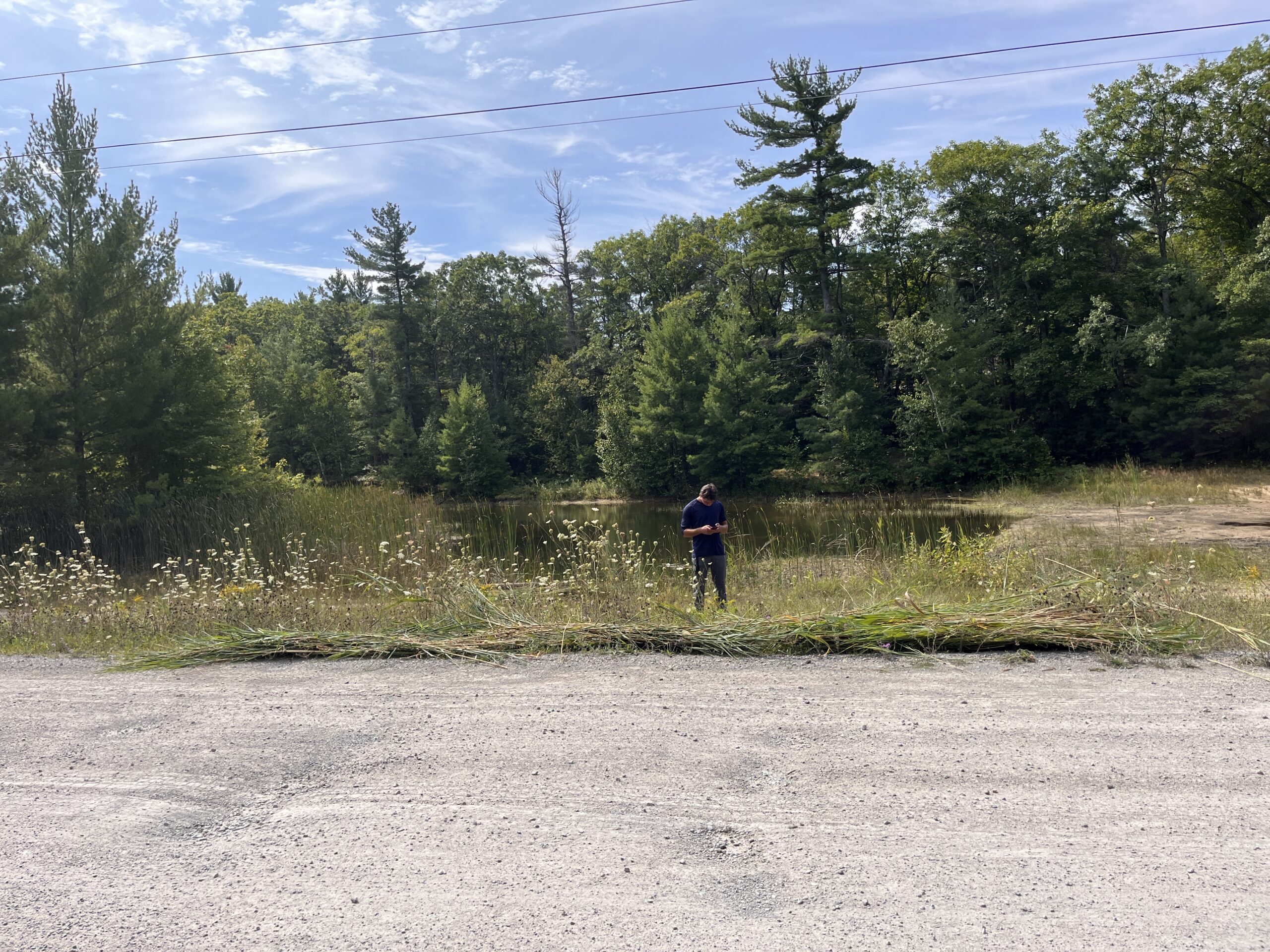
The project ultimately surpassed its original goal of controlling invasive Phragmites on 10 acres, reaching more than 49 acres across sites including Quarry Island, Giant’s Tomb Island, Sandy Island, Beausoleil Island, Bands Island, Honey Harbour, American Camp Island, Green Island, Severn Sound Wetlands, and Moose Deer Point First Nation’s Reserve Lands. Ongoing monitoring found little to no regrowth at several sites, and significant reductions in patch size at others, pointing toward the eventual elimination of Phragmites in these locations with continued control work.
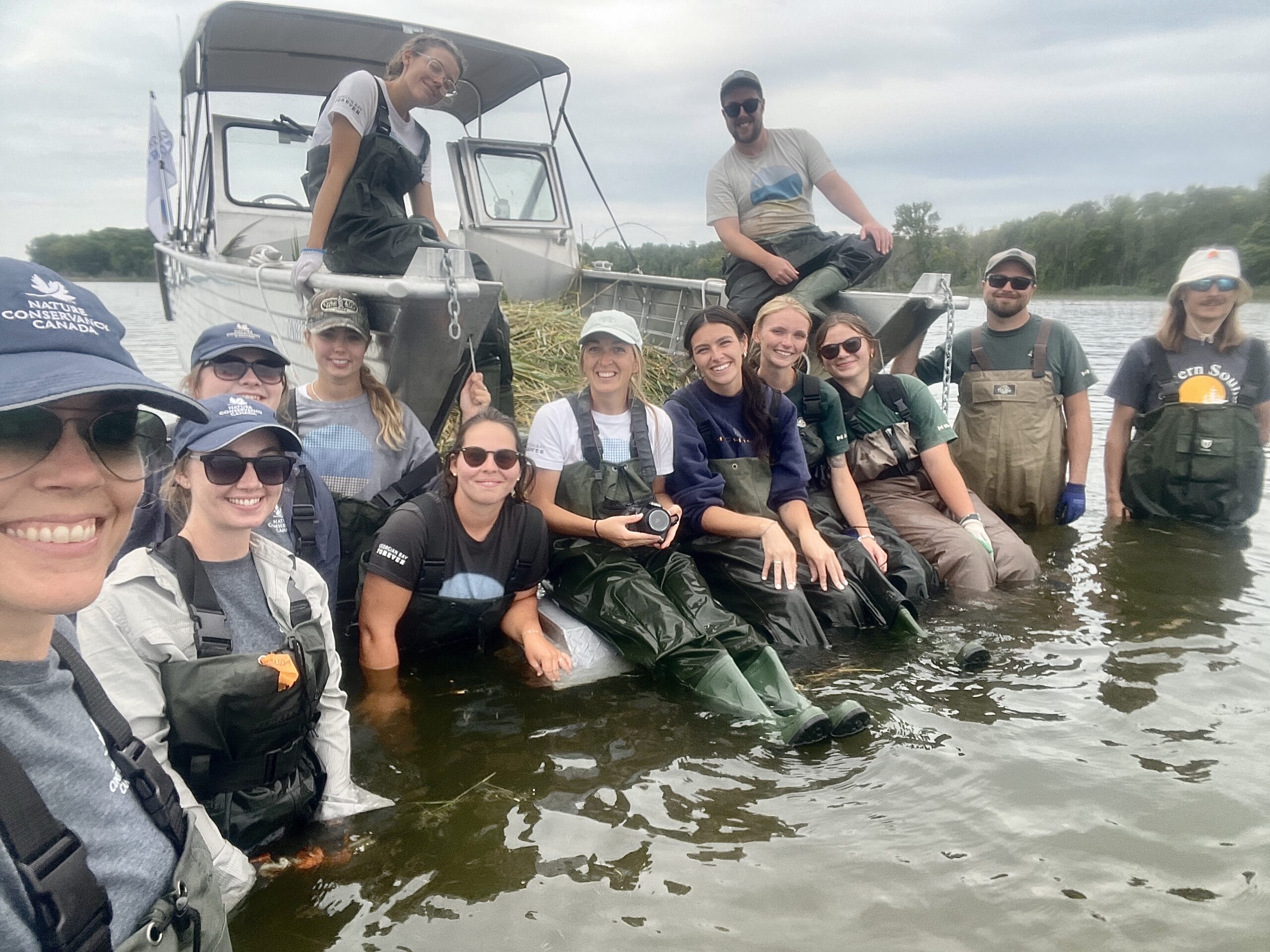
Throughout 2020 to 2025, the project grew a strong network of collaborators across the region, including Georgian Bay Forever, Parks Canada, the Severn Sound Environmental Association, and the Georgian Bay Mnidoo Gamii Biosphere. It also built lasting relationships with First Nations communities. NCC worked directly with Moose Deer Point First Nation to build in-house Phragmites control capacity within their Lands Department, welcomed Shawanaga First Nation as a partner on the project’s regional invasive-species mapping tool, and connected with Wasauksing First Nation for a knowledge-sharing gathering on Traditional Ecological Knowledge.
In addition, an educational video on invasive Phragmites control, produced through this project, has now been viewed more than 11,000 times, and the team engaged with nearly 30 cottage associations and multiple regional conferences to raise awareness of the issue. The project’s GIS mapping tool, tracking Phragmites patches from Parry Sound to the French River, continues to grow as new partner organizations join. As this EGBI-funded phase has wrapped up, the work continues through the new Ontario Phragmites Action Program, a broader provincial initiative in which NCC will continue to play a role across the Eastern Georgian Bay region with partners Georgian Bay Forever and the Georgian Bay Land Trust.