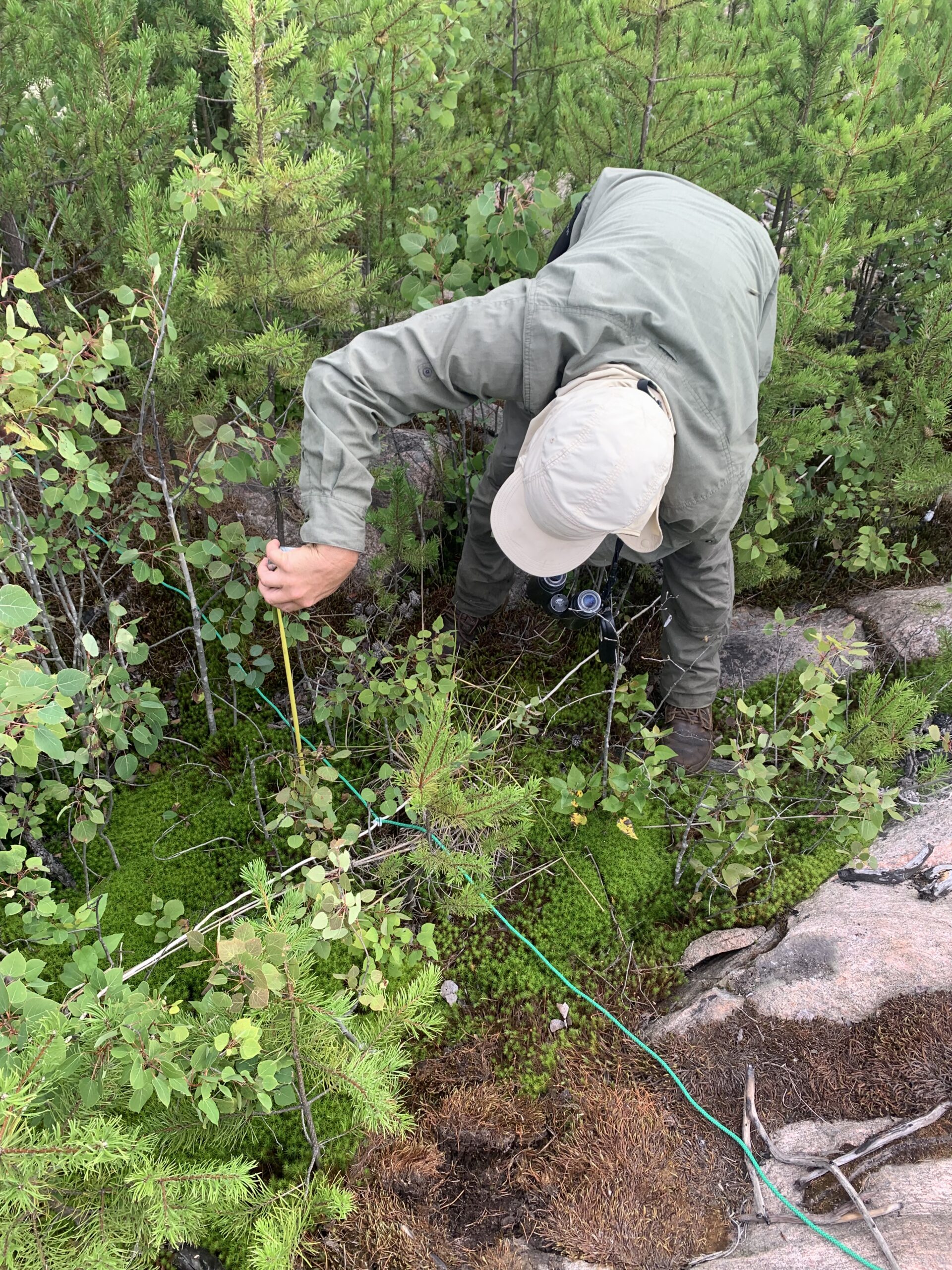
This project is the first study of its kind to examine how the endangered Kirtland’s Warbler is using the Jack Pine rock barrens ecosystem that has been recovering since the 2018 Parry Sound 033 wildfire on the northeastern Georgian Bay coast. The site represents only the third known breeding location for this SAR in Canada, making the work an important contribution to understanding the species’ critical habitat needs nationally. GEI Consultants leads the study together with Henvey Inlet First Nation (HIFN), with core involvement from HIFN community members in the design, field work, and analysis.
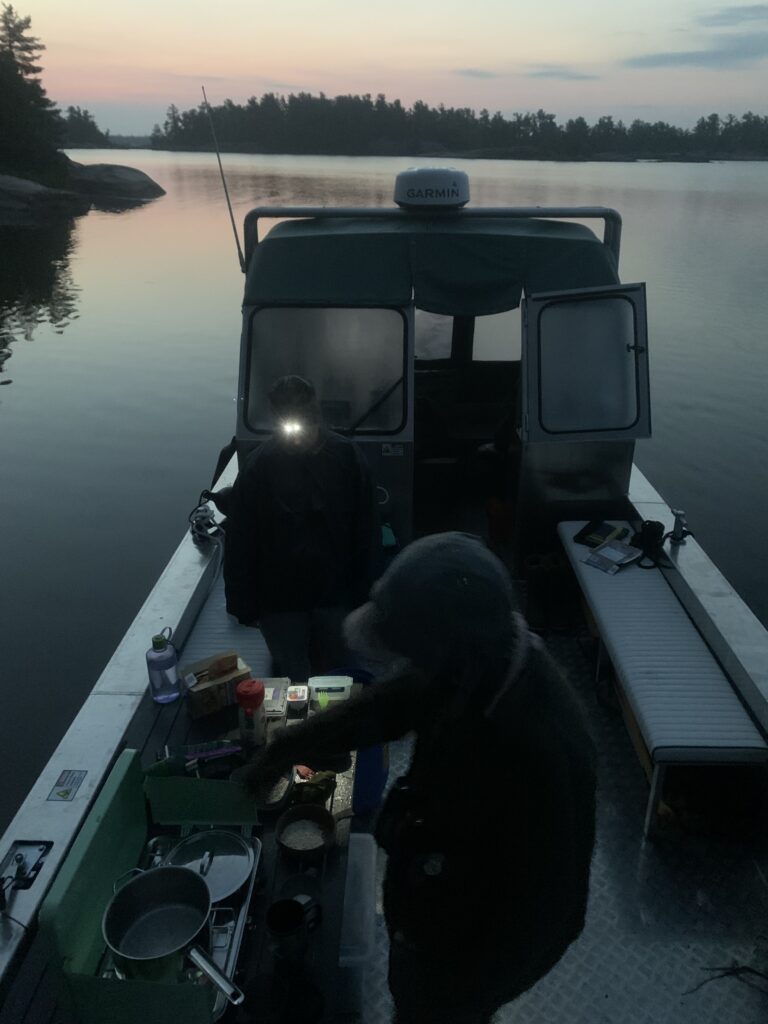
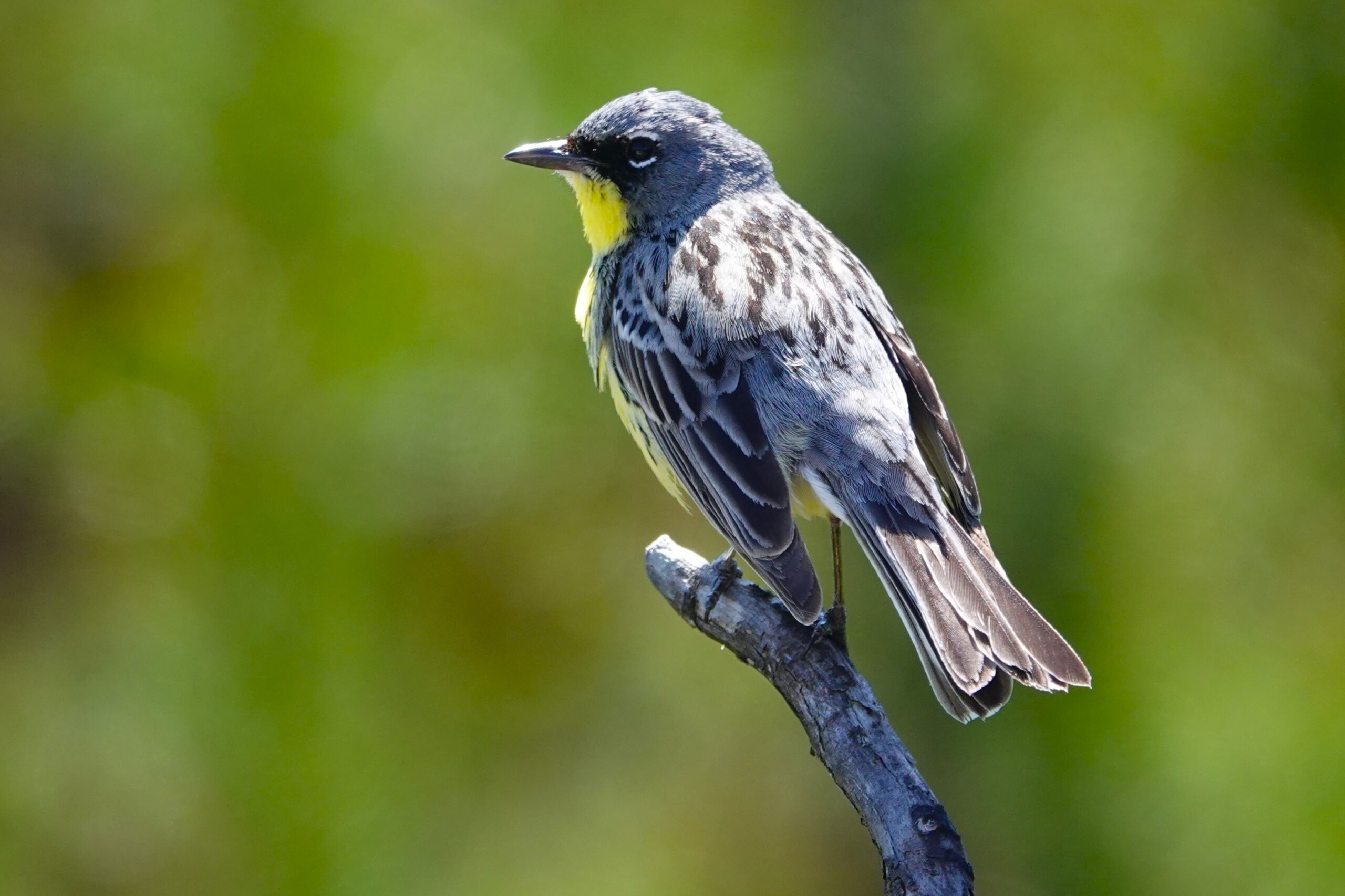
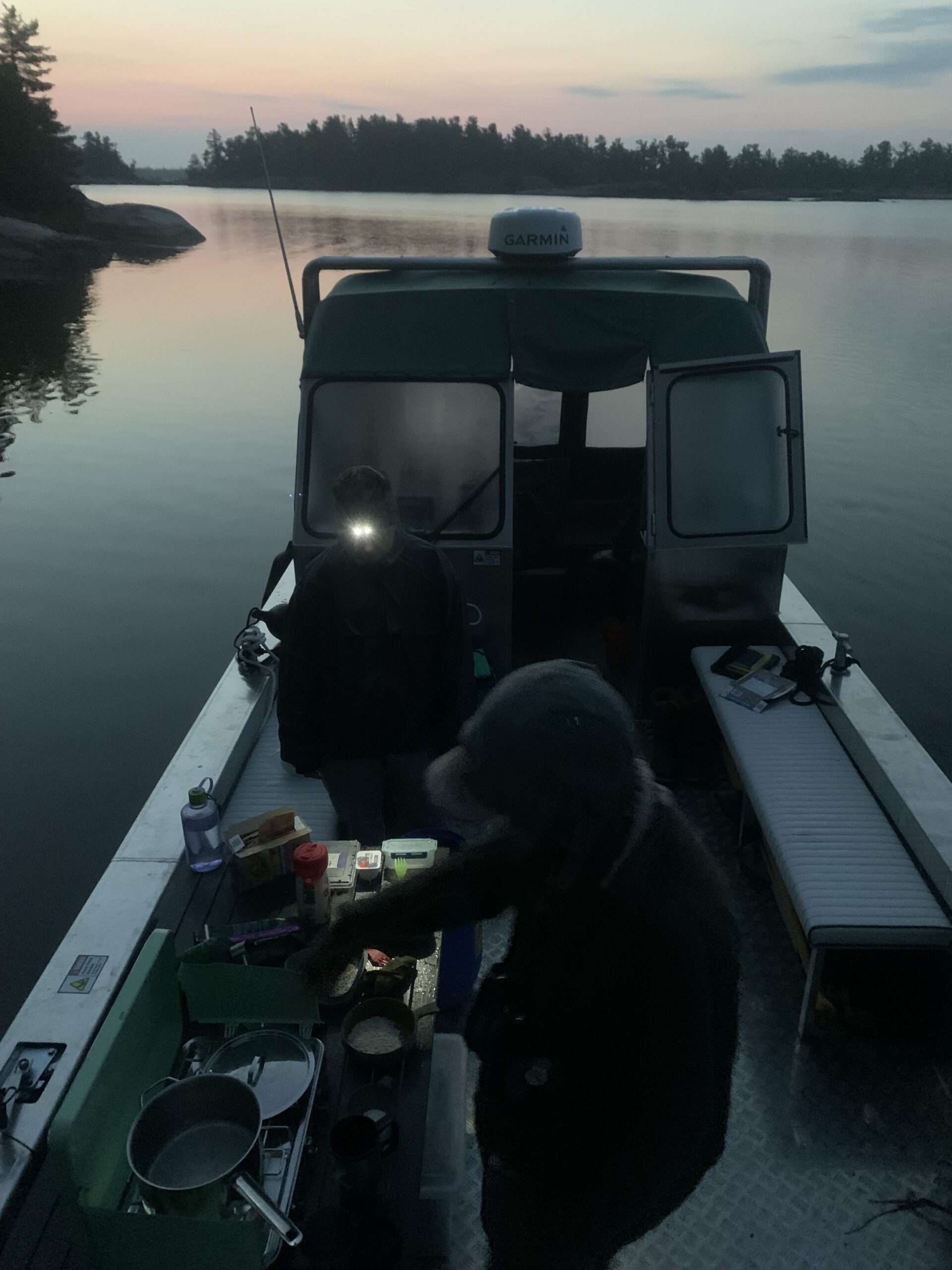
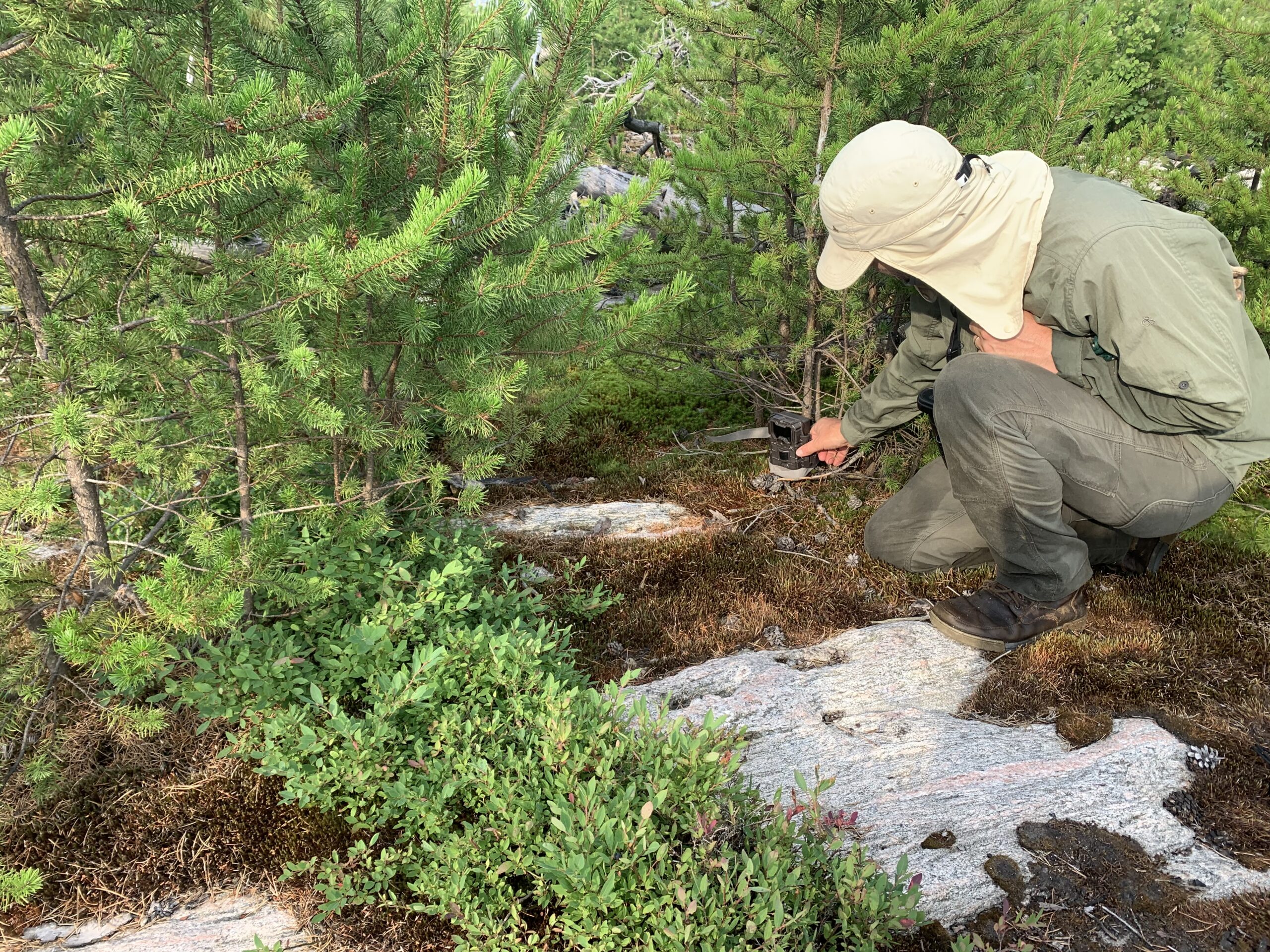
In 2025, the team carried out its third year of breeding bird surveys, using targeted call-playback protocols to detect Kirtland’s Warblers alongside standard breeding bird point counts across seven transects accessed by boat within the fire footprint. Kirtland’s Warbler breeding was confirmed again this year, with two mated pairs and three unmated males identified, one more unmated male than in 2024. Despite four nesting attempts, no young were produced in 2025; nests failed due to predation and a flooding event, and trail camera monitoring documented at least one nest predation event by a Red Squirrel. The known breeding location has now been used for three consecutive years, though the surrounding habitat may still be maturing toward the structure Kirtland’s Warblers prefer elsewhere in their range.
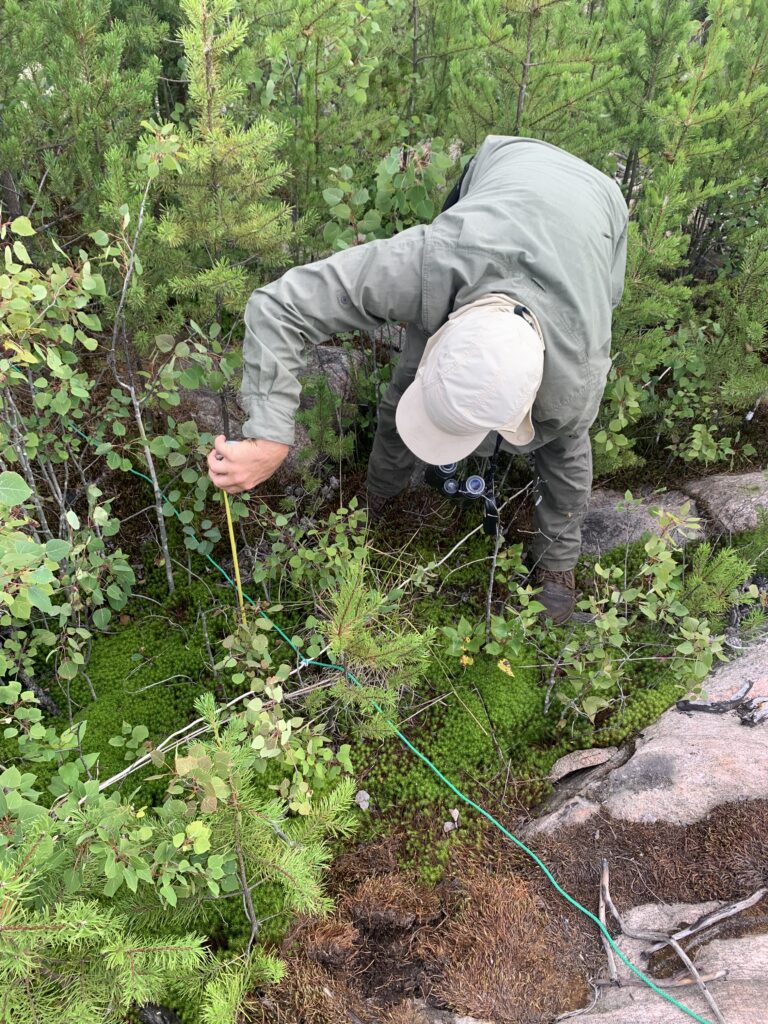
Vegetation and habitat structure sampling continued in both occupied and unoccupied warbler habitat, comparing tree height and species composition, stem density, ground cover structure, snag availability for singing posts, to better understand what distinguishes sites the warbler selects. Preliminary comparisons with Michigan and Wisconsin breeding sites show the Parry Sound 033 site to be a novel habitat type underlain by exposed granite bedrock rather than the sandy outwash plains typical elsewhere in the species’ range. There was also notably higher Jack Pine density, greater cover of mosses (which the warblers used for nesting), very reduced amounts of grass/sedge cover, and patches of open bare rock not seen at other breeding sites.
Beyond the target species, the project maintains an ongoing biodiversity inventory of the recovering burn, and 2025 fieldwork recorded 101 bird species (93 with breeding evidence), including several other provincially significant birds such as Eastern Whip-poor-will and Canada Warbler, along with incidental observations of other SAR including Eastern Massasauga, Spotted Turtle, and Blanding’s Turtle. Community knowledge-sharing efforts were limited in 2025 due to staff availability, though the team presented project findings at a regional Lands and Resources conference.