Project Title: Wye Marsh Invasive Species Management 2024 Funding Recipient: Friends of Wye Marsh (FOWM) Funding Awarded: $50,000 in 2024, $250,000 over 5 years Project Partners: Cambium Inc., Severn Sound Environmental Association (SSEA) Targeted Species at Risk: Blanding’s Turtle (Emydoidea blandingii), Eastern Musk Turtle (Sternotherus odoratus) Project Status: Completed (2020-2024)
Project Summary
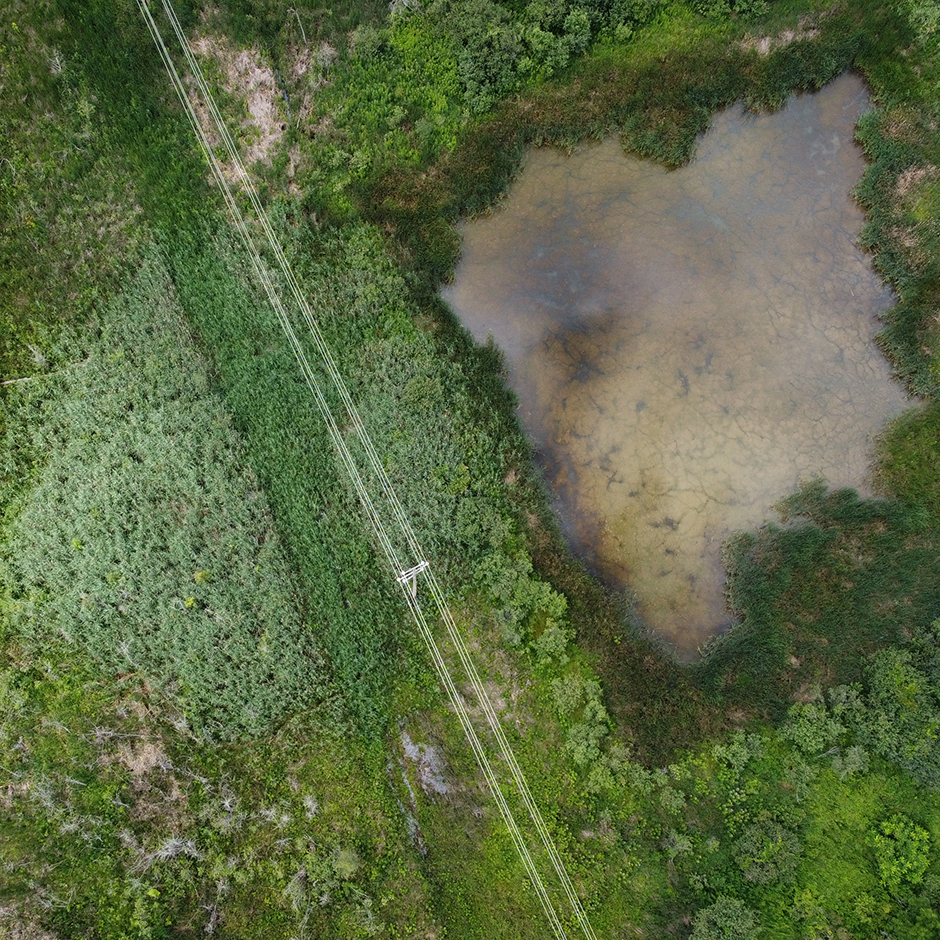
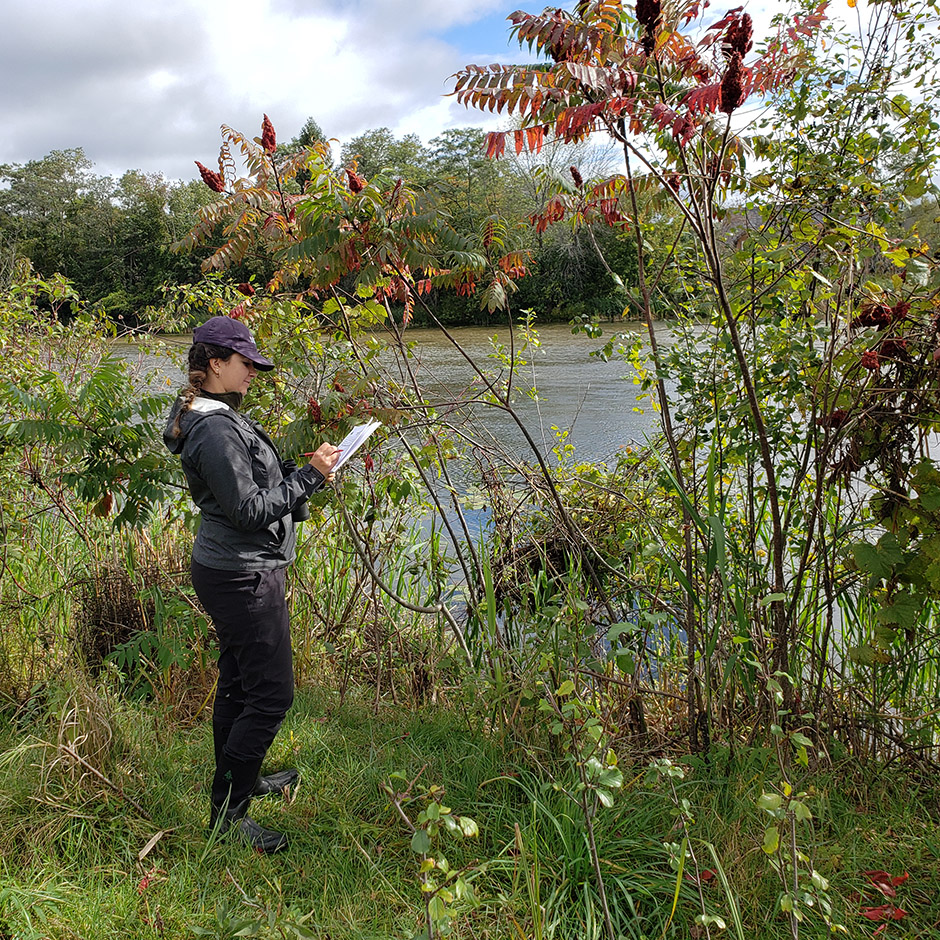
FOWM completed a five-year initiative focused on detecting, mapping, and managing the highly invasive European Common Reed (Phragmites australis) across approximately 1,215 hectares of the Wye Marsh. Invasive Phragmites monocultures severely degrade wetland habitat and outcompete natural food sources for native wildlife, directly threatening local species at risk. Over the course of the project, FOWM and its partners mapped 33 distinct Phragmites sites within and adjacent to the Provincial Wildlife Area and National Wildlife Area using aerial drone imagery, ground truthing, and geospatial modeling. Field crews and volunteers employed manual management techniques, primarily spading and cut-to-drown methods, to control growth.
The project delivered significant outcomes through active management and habitat restoration. In the final 2024 field season, 13 priority sites were actively managed, with 12 receiving complete site coverage, and all completely managed sites showed a reduction in Phragmites density. To encourage native plant competition and recovery, 200 native plant plugs (100 Speckled Alder and 100 Red-osier Dogwood) were planted across five managed sites that exhibited high biomass reduction. The initiative also actively engaged the community, contributing 45 volunteer hours toward physical management efforts alongside educational social media outreach. Over the long term, eight out of 11 multi-year managed sites were reduced to a low-density post-management (1–25%), and six saw an overall reduction in physical footprint compared to initial mapping.
Despite challenges related to remote site accessibility and staff turnover, the project demonstrated that sustained physical control methods effectively reduce Phragmites density. FOWM recommends exploring expanded, integrated management strategies, such as targeted chemical control or biological agents, for future conservation efforts in harder-to-reach areas of the marsh.
Further Details
For more information about the ‘Wye Marsh Invasive Species Management’, please visit the links below.