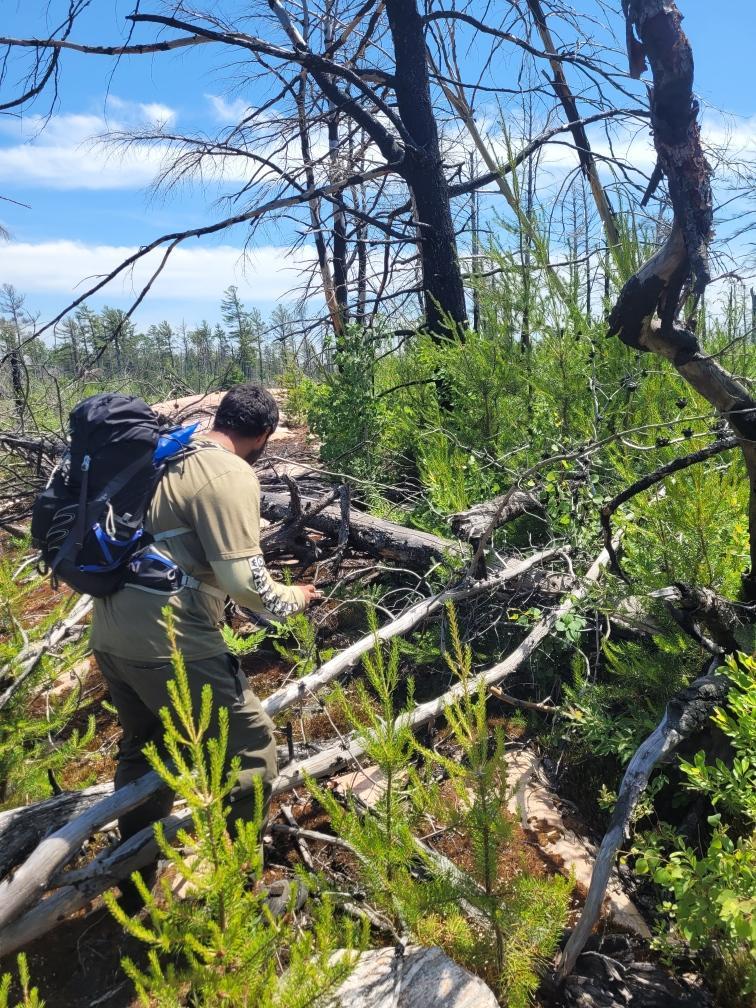
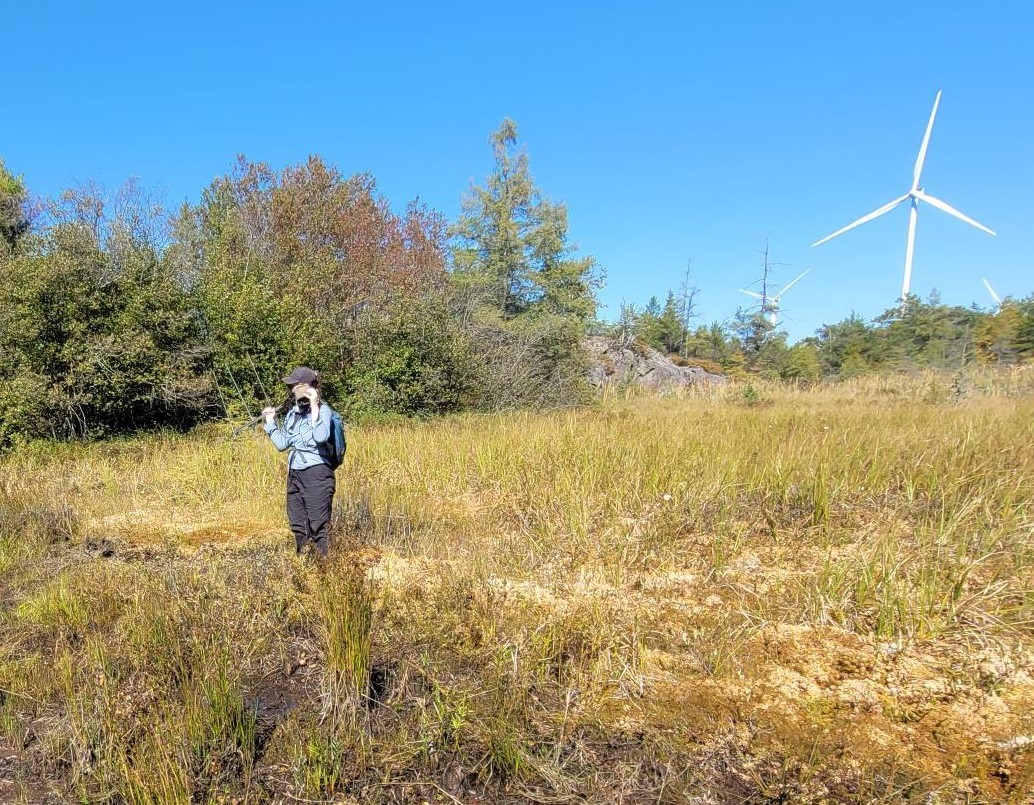
This conservation project supports Henvey Inlet First Nation (HIFN) in monitoring and protecting species-at-risk reptiles and their habitats on HIFN lands. Led by Blazing Star Environmental in partnership with HIFN, Laurentian University, McMaster University and the University of Waterloo, the project examines how reptiles are responding to the impacts of wildfire, wind energy development, climate change and habitat restoration. The program also aims to build long-term conservation capacity within HIFN by supporting youth training and bringing together scientific knowledge and Traditional Ecological Knowledge through a two-eyed seeing approach.
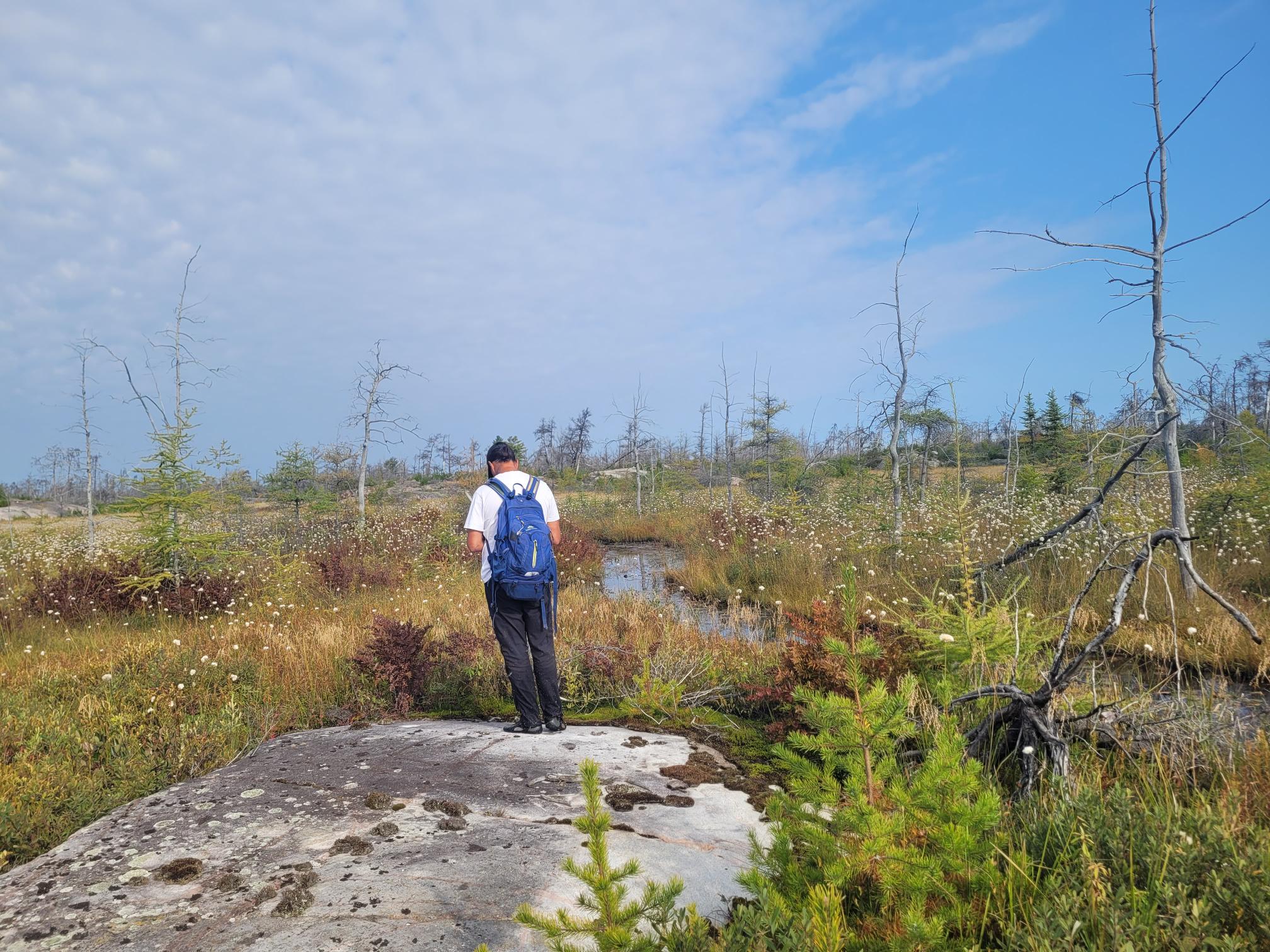
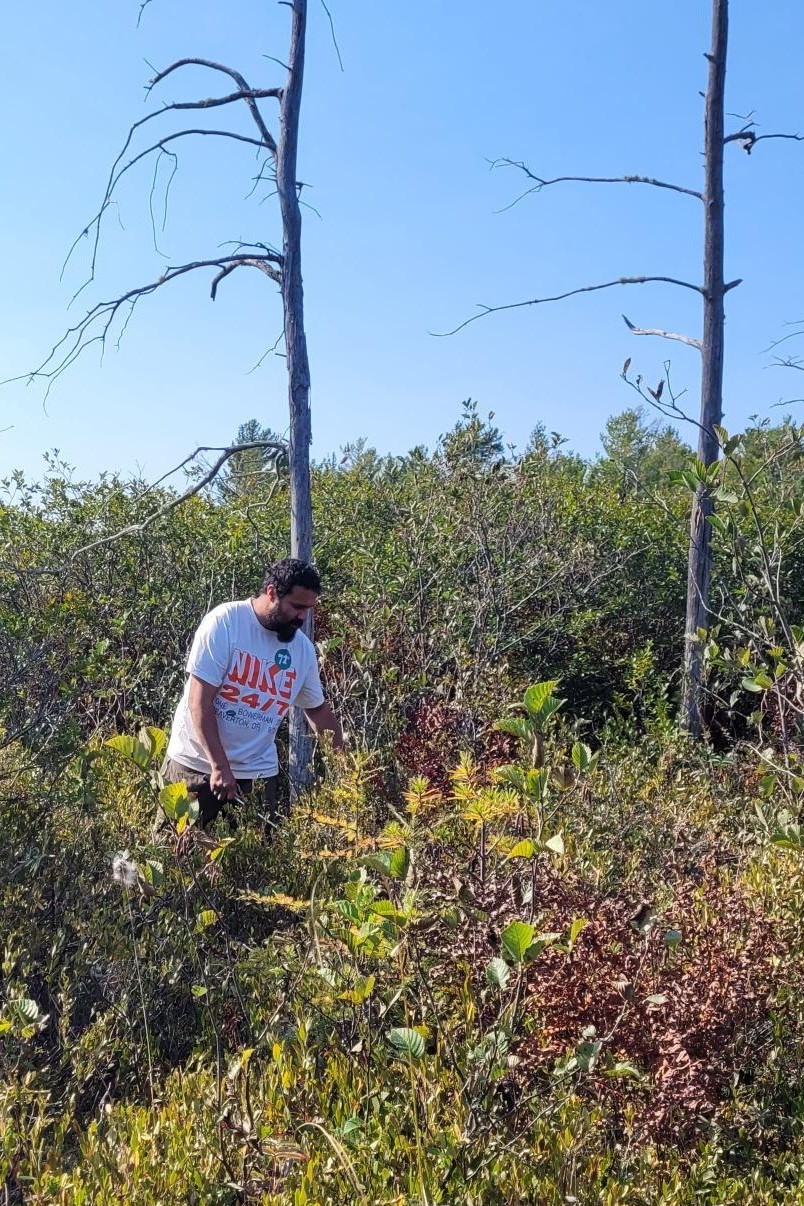
During the 2024 field season, the project made significant progress in monitoring both natural and restored habitats. Ecohydrological monitoring stations were established across 13 constructed and 12 natural wetlands, while additional monitoring equipment was installed to track water levels, temperature and other environmental conditions. Sphagnum moss was transplanted into all 13 constructed overwintering wetlands, with vegetation and moss surveys conducted throughout the growing season to assess habitat recovery and restoration.
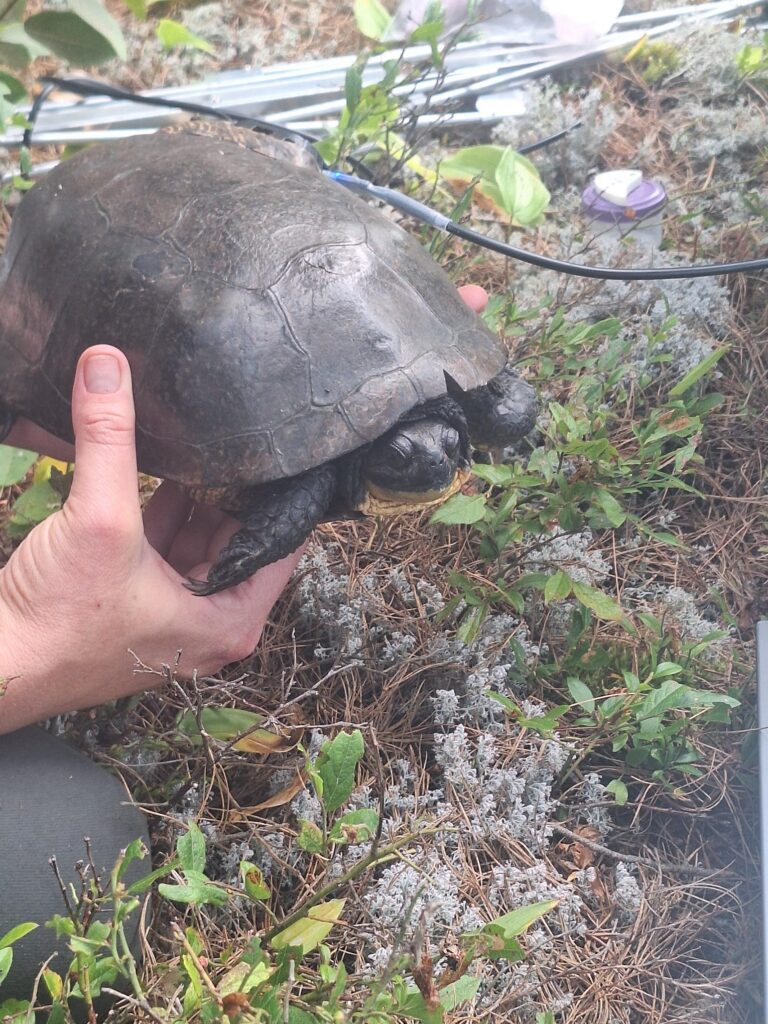
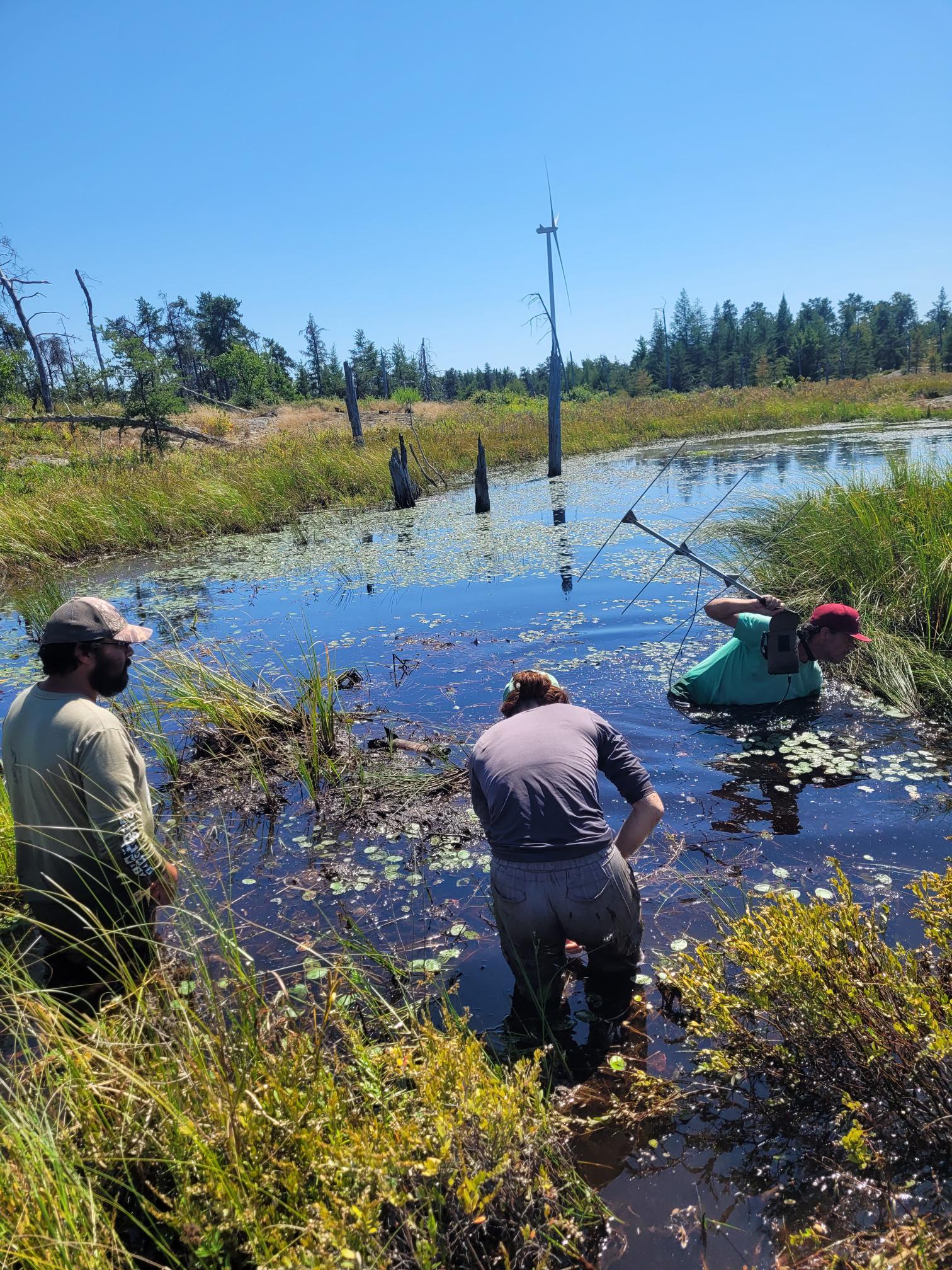
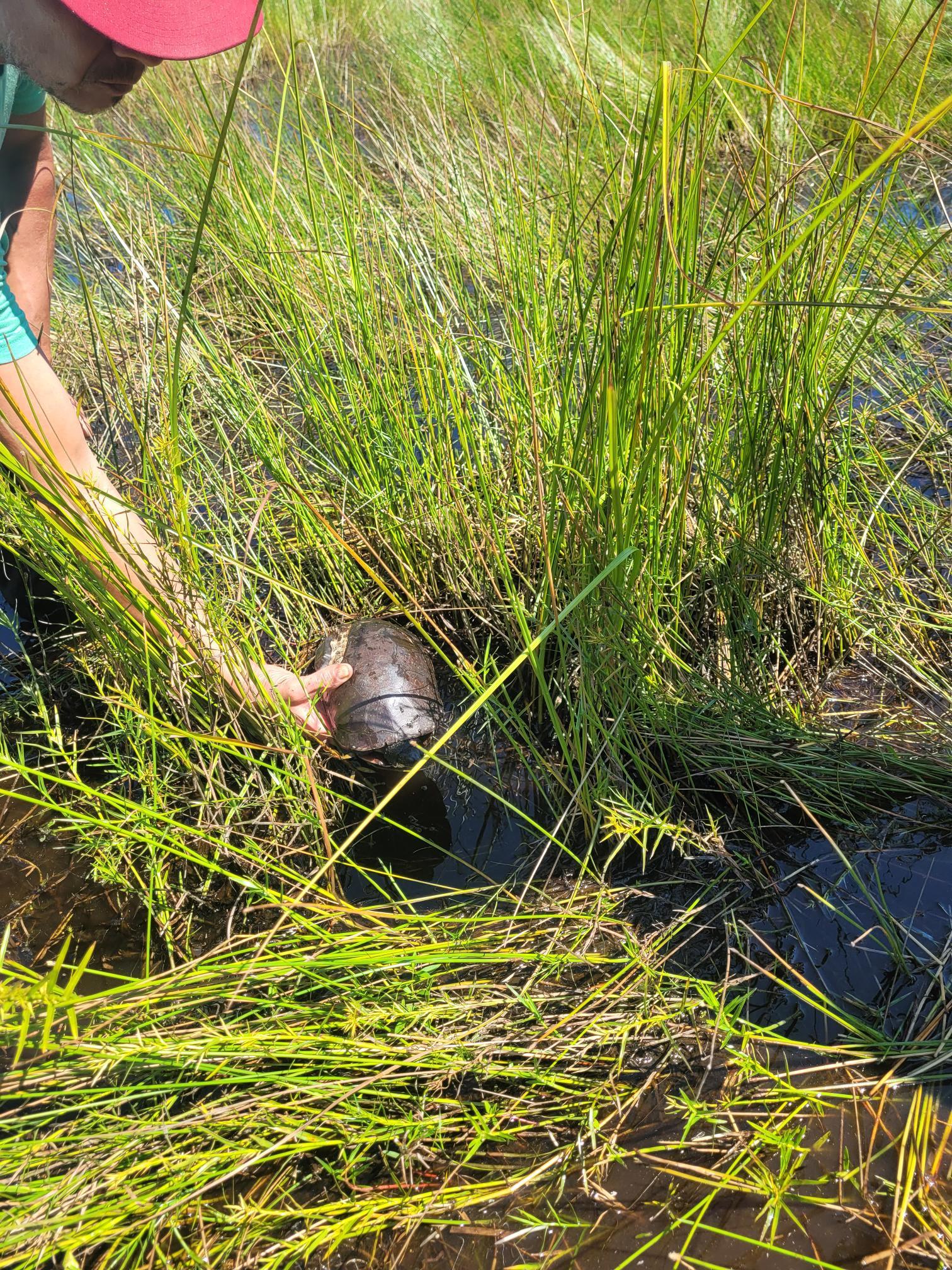
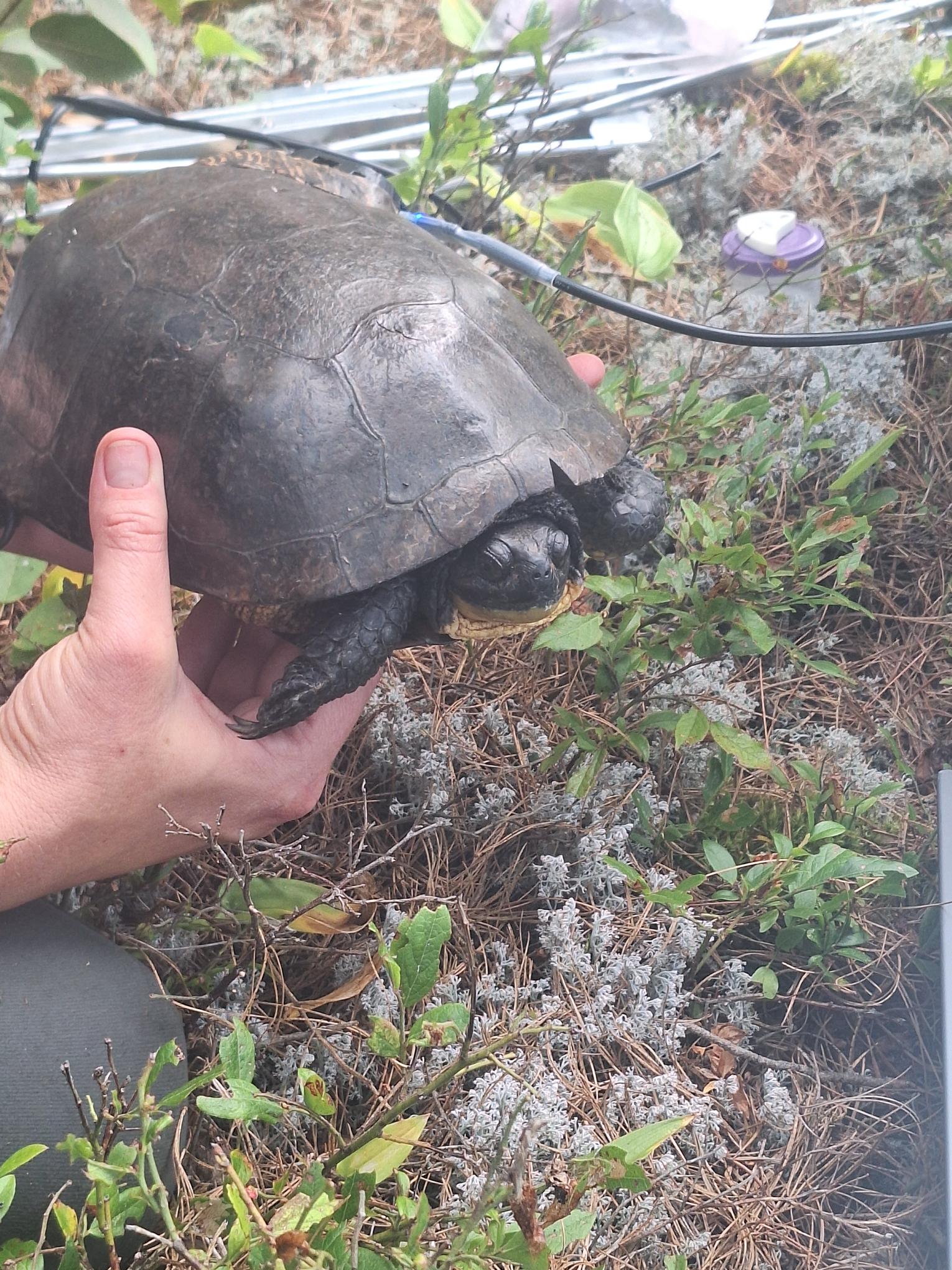
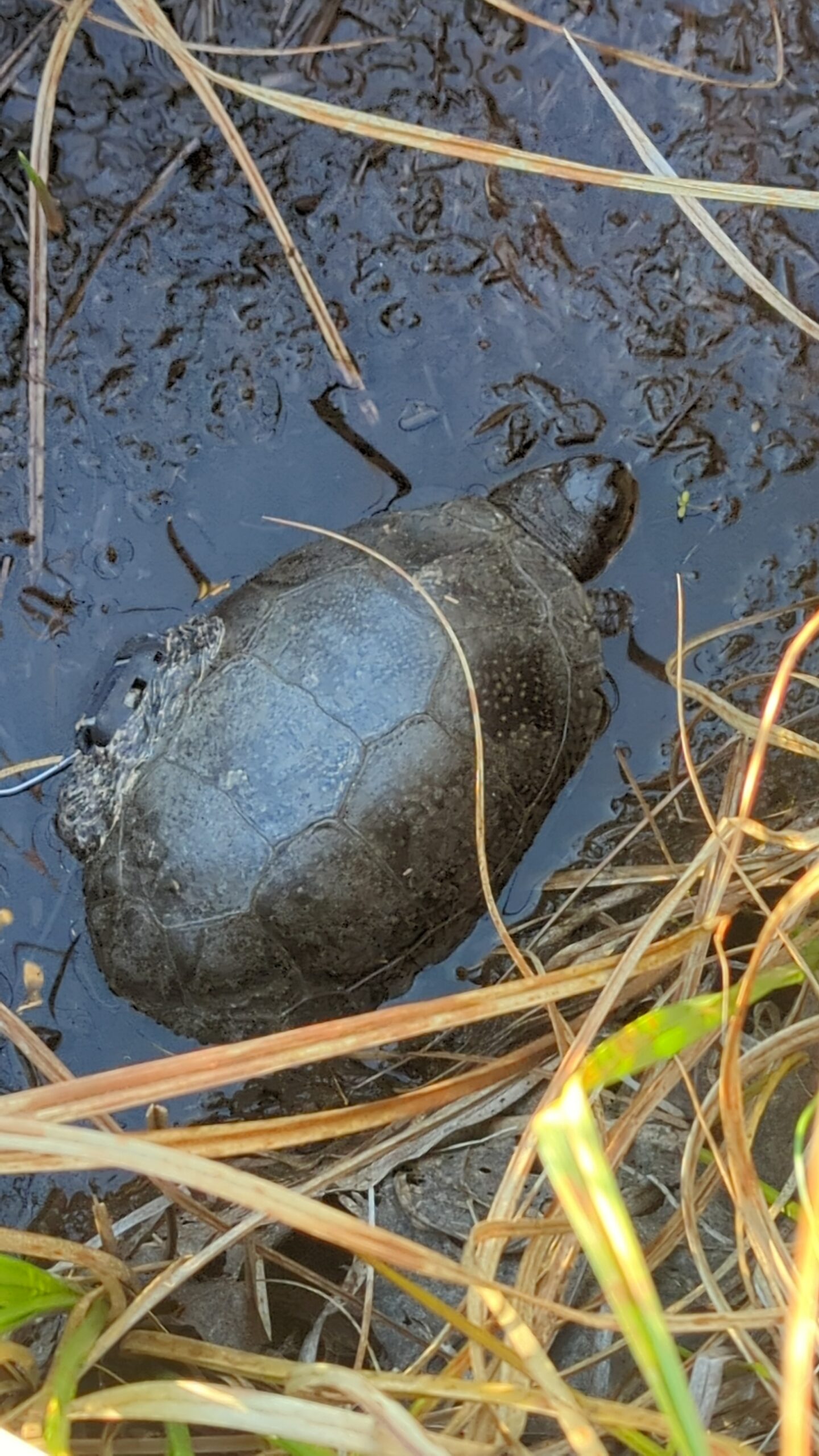
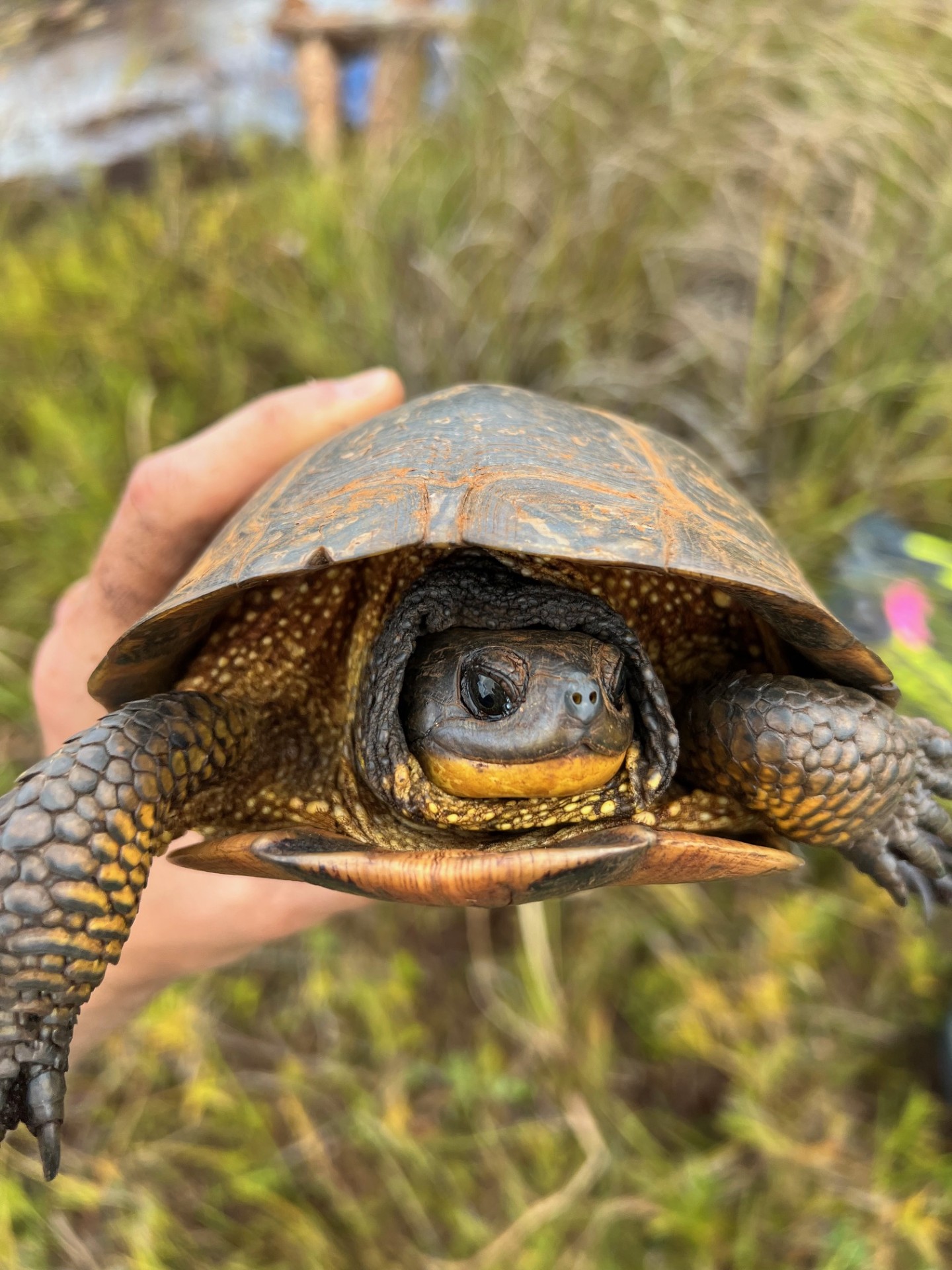
The project also advanced monitoring of Blanding’s Turtles and Spotted Turtles through mark-recapture and radio telemetry. A total of 594 person-hours of field survey effort were completed, 31 turtles were captured and processed, and 29 were fitted with tracking devices. Researchers collected 267 radio locations, generating valuable information about turtle movements and habitat use. Five Spotted Turtles were observed using constructed wetlands during the summer, providing important information for evaluating the effectiveness of restored habitat.
A further focus was understanding whether constructed wetlands provide suitable overwintering conditions for species at risk. Temperature profiles were installed at 65 overwintering sites, including natural, occupied and constructed habitats, to compare the conditions available to turtles and snakes. These data will help determine how effectively restored habitats replicate the conditions found in natural overwintering areas and inform future habitat restoration and management.
While some planned youth engagement, knowledge-sharing and large-scale monitoring activities were deferred to 2025 to allow time for appropriate partnership-building and planning with HIFN community members, the project continued to strengthen the foundation for long-term community involvement. The 2025 work plan includes knowledge exchange sessions, youth training opportunities and broader community outreach designed around the feedback and priorities of HIFN Elders, knowledge keepers and community members.